The Story
Why it exists.
The beginning
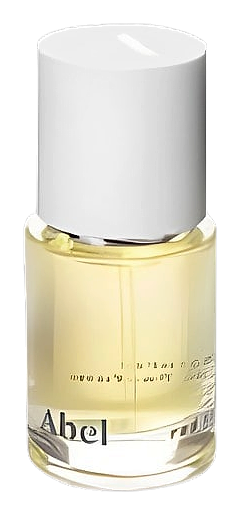
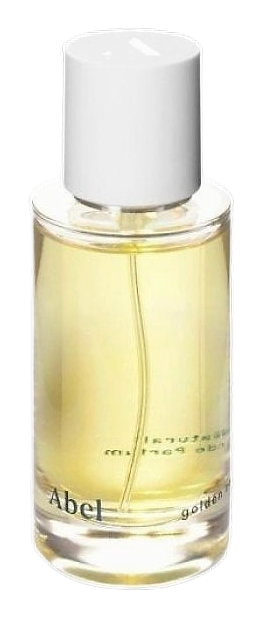
Golden Neroli arrived in 2016 from Abel, a natural fragrance house that has built its identity around working with botanical materials. The perfume is the work of Isaac Sinclair, a nose whose practice centers on plant-derived compositions, and it stands as one of the earliest expressions of what the brand does best: letting real materials carry a composition from the first spray to the last trace on skin. The brief reads citrus-floral, but the construction suggests a perfumer who knows how each ingredient behaves over time. Tunisian neroli provides the bright, almost bitter orange blossom opening that defines the first impression. Comorian ylang-ylang lends a creamy tropical warmth that softens the citrus without burying it.
What makes Golden Neroli interesting is what it leaves out of the conversation. No synthetic musks propping up the base. No iso e super creating an artificial aura. Instead, the formula leans on real sandalwood, a material prized by perfumers for its specific creamy-woody character, paired with Bourbon vanilla for warmth. The petitgrain, the bitter-orange leaf material that gives the composition its nervous edge, is what keeps the neroli from turning polite. It adds the bitter-green snap that makes this fragrance feel alive rather than decorative.
The evolution
The opening is all neroli and tea, and it announces itself quickly. That bright, almost metallic orange blossom character with the grassy bitterness of matcha steeping underneath. It lasts for a short while before the ylang-ylang and jasmine sambac start pulling the composition somewhere warmer. The heart phase is the loudest part of the fragrance, dense and creamy, almost honeyed from the ylang, with petitgrain threading through to keep the sweetness from going flat. As the hours pass, the sandalwood and vanilla take over, and the drydown shifts into something quieter. It becomes soft and creamy, less projection than aura, pulling inward toward the skin rather than radiating outward. Eventually it fades to a faint woody-cream whisper, a trace of the fragrance that clings to fabric long after the day is done, the kind of ghost scent that makes you lean in to catch what's left.
Cultural impact
Golden Neroli sits in an unusual spot for a neroli-forward fragrance. The composition manages to feel both approachable and specific, a citrus-floral that doesn't drift toward the generic. The blend of neroli, ylang-ylang, jasmine sambac, petitgrain, matcha, sandalwood, and vanilla produces something that reads as polished and intentional rather than off-the-shelf. It functions as a daily skin scent that works in any season, and its neroli focus gives it a point of view that distinguishes it from the usual bright citrus offerings. The result is a fragrance that holds attention on skin and invites return visits rather than a single wear.
The House
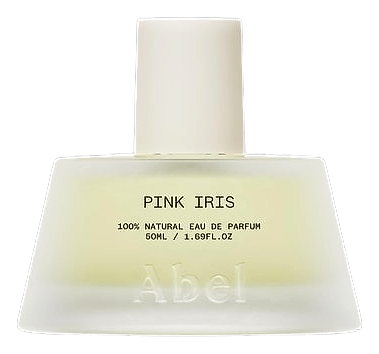
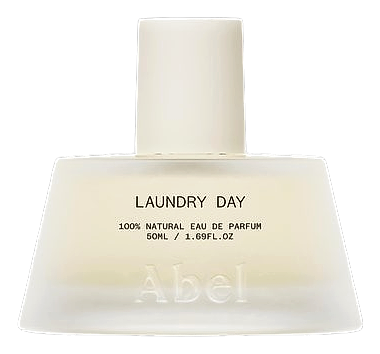
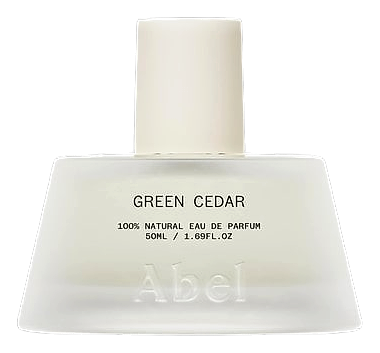
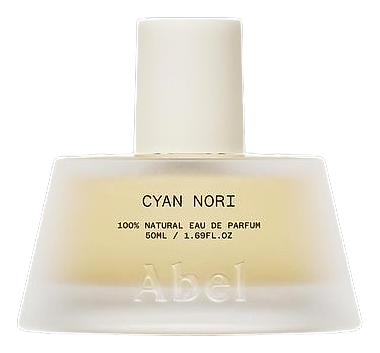
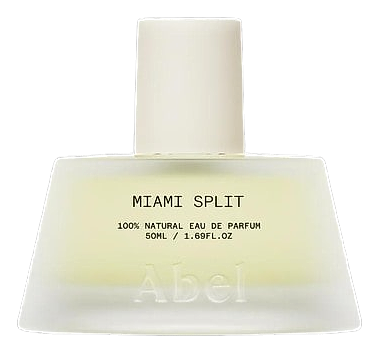
AbelAbel is an Amsterdam-based fragrance house founded by New Zealander Frances Shoemack, a former winemaker who transitioned into perfumery after arriving in the Netherlands. The brand specializes in 100% natural perfumes, sourcing plant-derived ingredients and combining them with what the company describes as the latest innovations in biotechnology. Shoemack collaborated with Paris-based Isaac Sinclair, who holds the title of New Zealand's only Master Perfumer, to develop the brand's formulations. Abel's product line spans multiple fragrance families, from bright citrus and floral compositions to darker, richer interpretations. The brand positions itself around the premise that natural ingredients can produce high-performance scents without synthetic compounds.
The Creator
Isaac SinclairIsaac’s technique favors clean, linear constructions that reveal each component in turn. He often builds around a luminous citrus or green heart, then anchors the scent with a rare wood or resin that adds depth without heaviness.