The Story
Why it exists.
The beginning
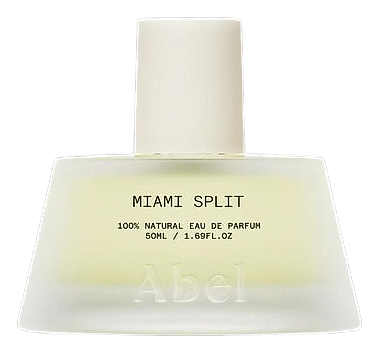
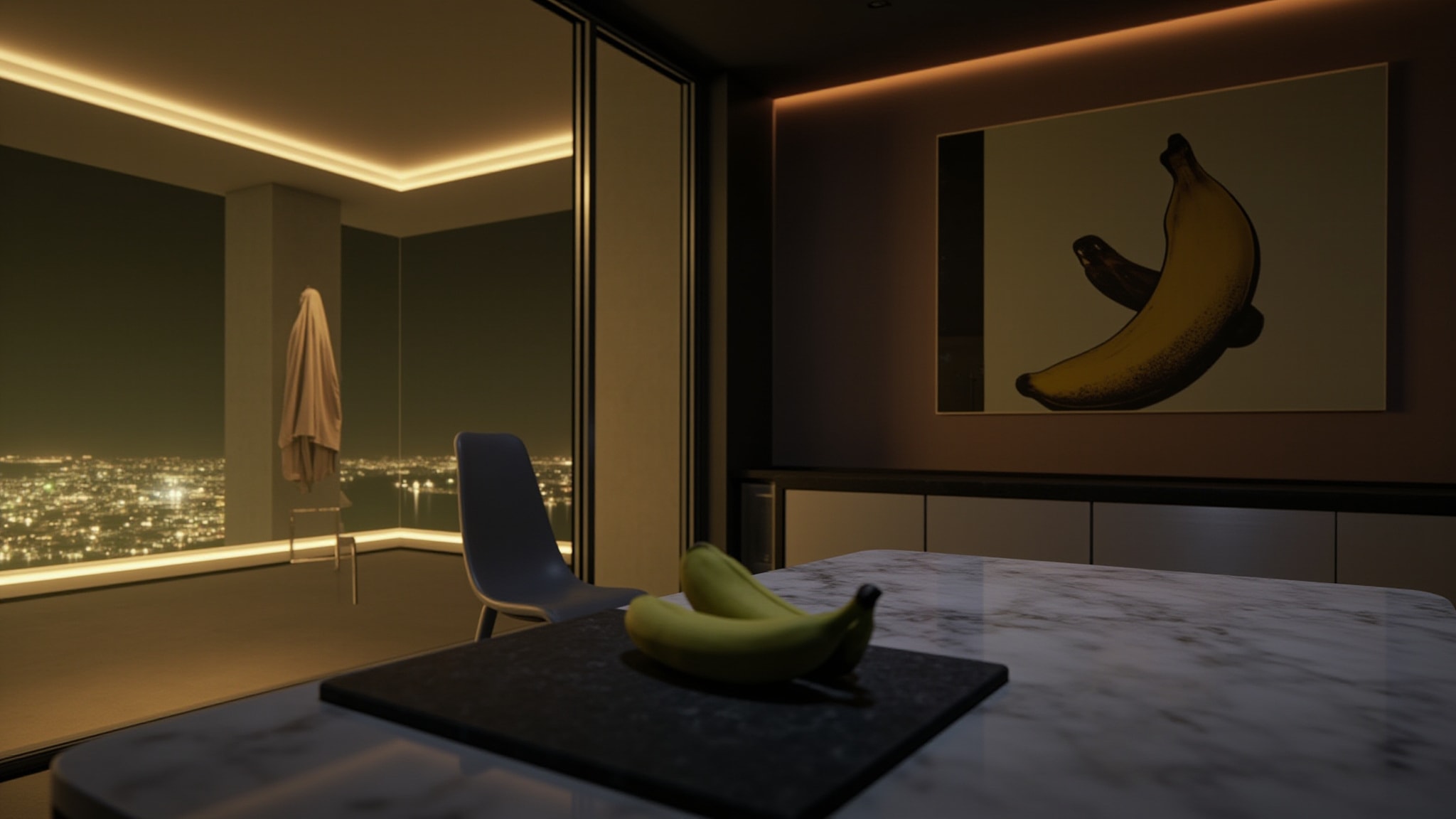
Miami Split takes something familiar and makes it strange. A banana repeated across silk screens becomes something almost sacred in pop art; here, that same energy works in scent, a note so recognizable it borders on absurd, grounded by materials with real weight. The white oud at the center is Vietnamese, which matters because white oud isn't a single ingredient. It refers to how the wood is processed, without the dark, animalic intensity of its more aggressive relatives. The result is something dry, almost austere, that holds the banana without smothering it. Labdanum completes the composition, adding a resinous warmth that transforms a clever concept into a complete fragrance.
The banana in Miami Split doesn't smell like banana-flavored everything. It smells like the actual fruit, bright and slightly unripe, with a grassy, tart quality that reads green in a way synthetic versions rarely achieve. There's a vegetable snap to it, a fresh intensity that suggests the moment before the sugars fully take over. This approach to the banana note brings a specificity that elevates the entire fragrance, giving it a distinctive character that sets it apart from conventional fruity compositions.
The evolution
The opening is the event. Green banana arrives bright and immediate, not realistic in the way a foodie fragrance aims for, but present and confident, almost like the fruit was just peeled. Shortly after, burnt caramel begins to thread through, adding warmth without sweetening the deal. The white oud doesn't arrive dramatically. It surfaces slowly, replacing the banana's initial burst with something drier and more complex. The banana doesn't disappear entirely, maintaining a presence that keeps the oud from reading as austere. This middle phase is where the fragrance earns its name: split, like the dessert, but also split as in divided, two distinct personalities sharing the same skin. The labdanum is the finale. By hour three, it's taken over, wrapping the white oud in something resinous and warm.
Cultural impact
Miami Split is a statement from Abel about what niche perfumery can accomplish. The green banana note is audacious, a fruit rarely used as a top note, and pairing it with burnt caramel creates an immediate sensory tension that distinguishes it from other niche releases. The house's commitment to natural materials and specific regional origins reflects the values of contemporary fragrance culture, where transparency and provenance matter more than ever. This isn't a fragrance designed to please everyone, and that intentionality marks it as a product of its moment, when consumers increasingly seek distinctiveness over mass appeal.