Burnt Caramel
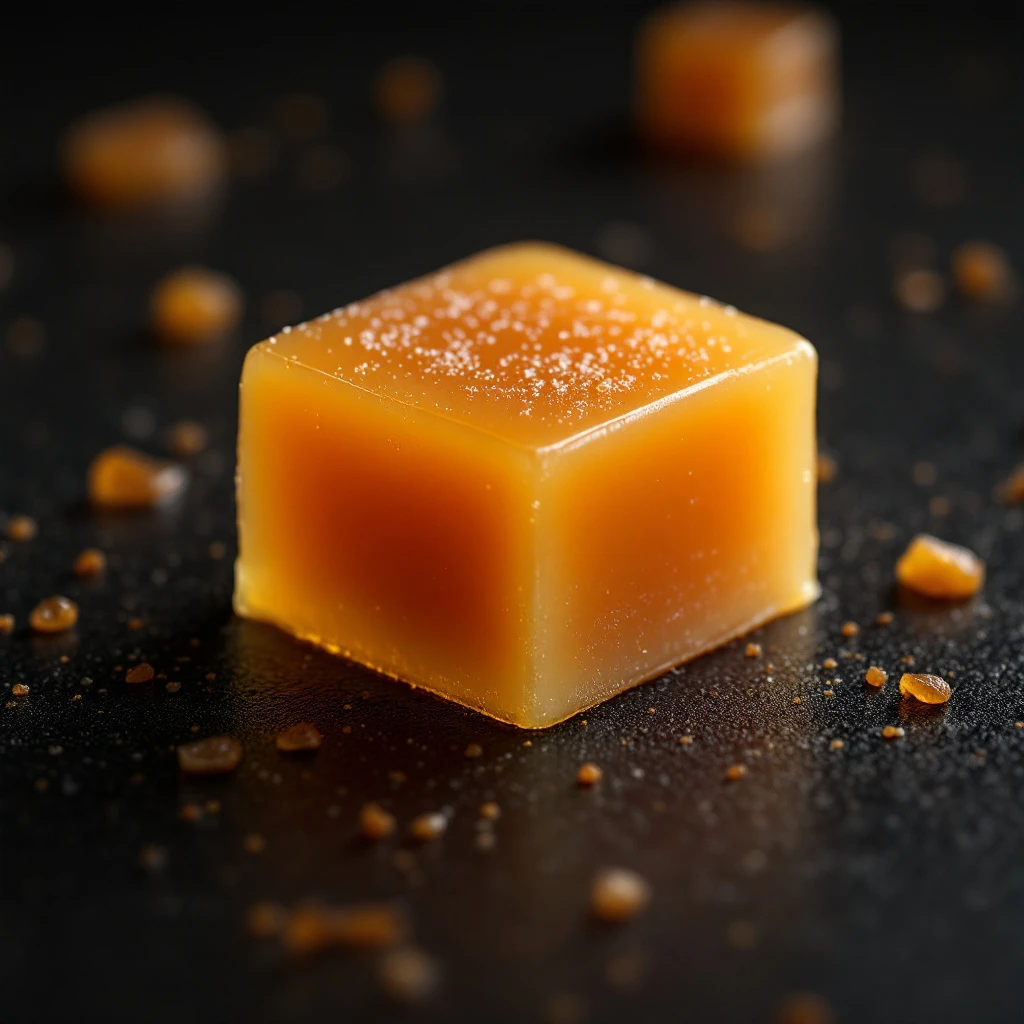
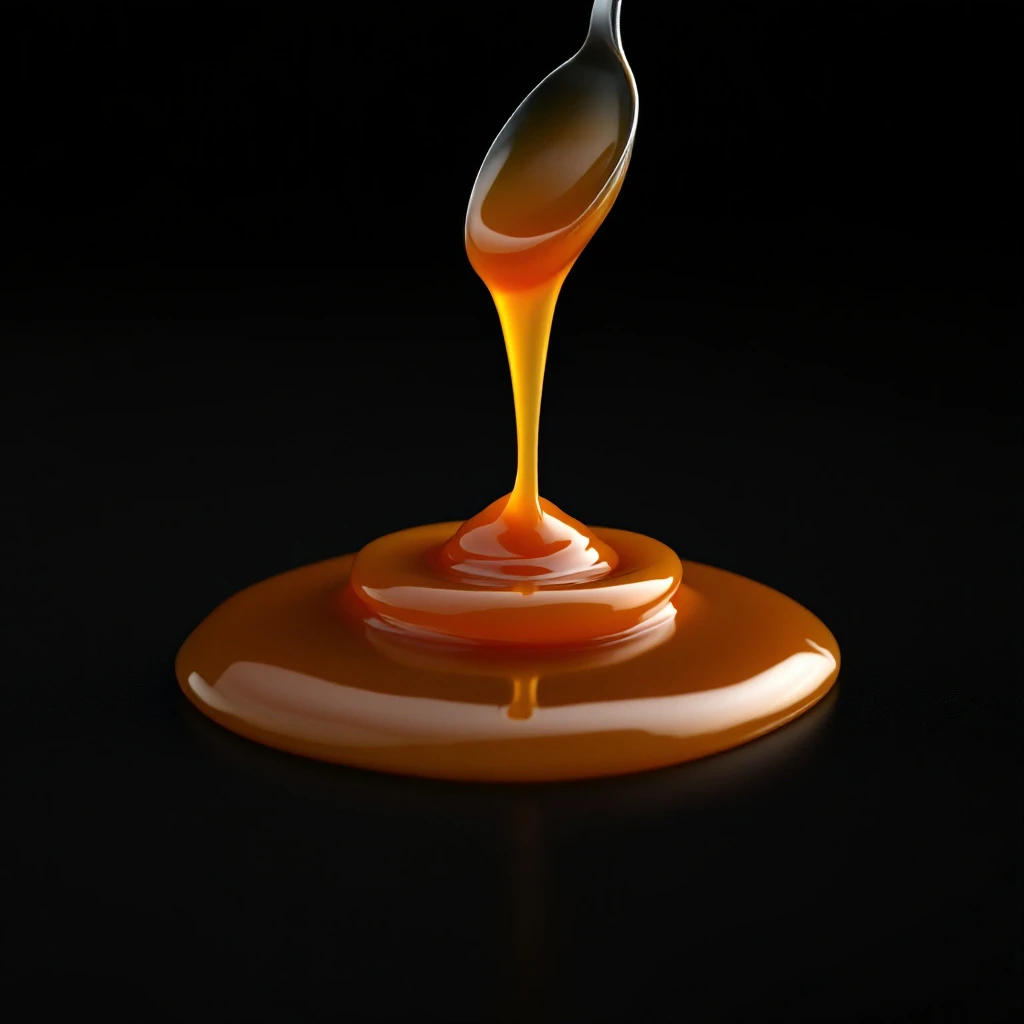
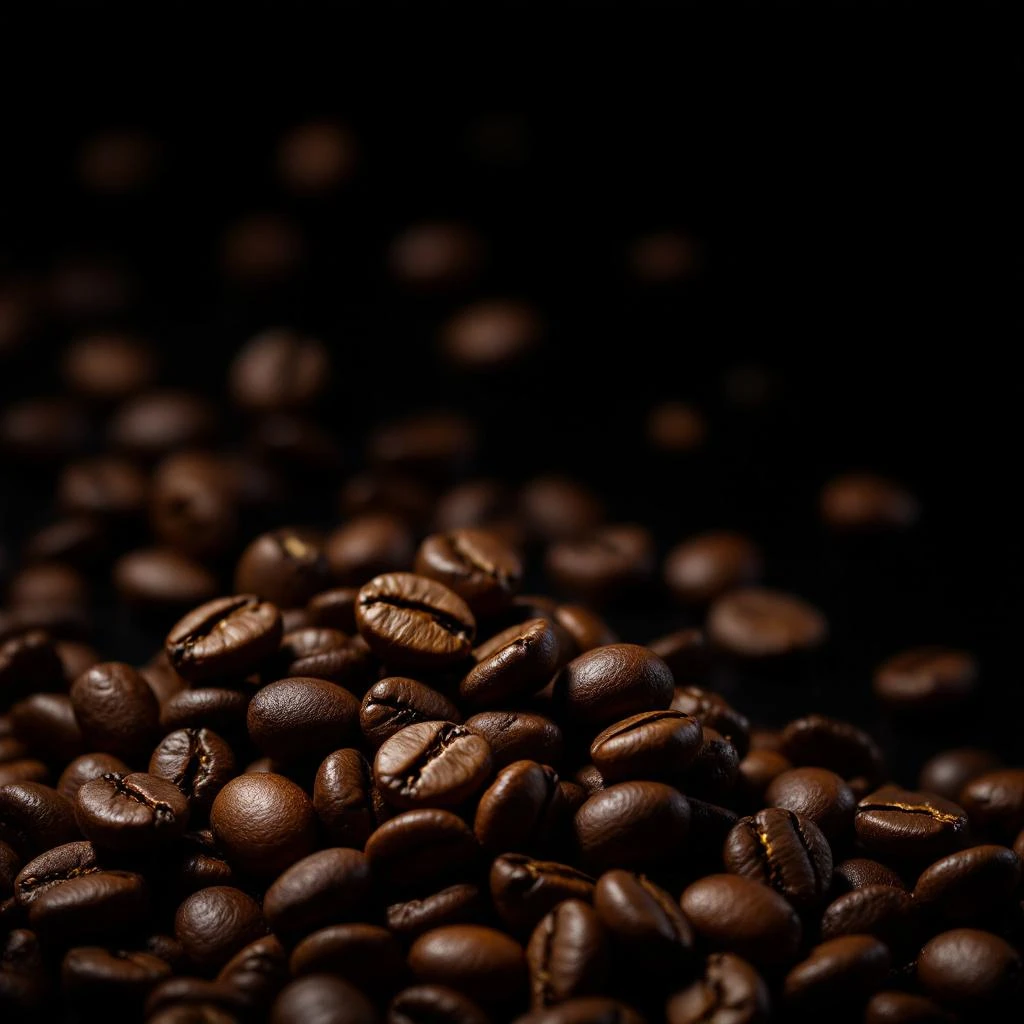
Burnt caramel is a synthetic gourmand note that captures the deep, bittersweet character of sugar pushed past caramelization into darkened complexity. It adds warmth and edge to fragrance compositions.
Character
How it smells
Sugar, heat, and the art of controlled destruction.
The Maillard reaction that creates burnt caramel in cooking also occurs during the synthetic synthesis of these aromatic molecules in laboratories.





Origin
France
While caramel as a food dates to ancient times, burnt caramel as a distinct fragrance note emerged from the 19th-century advent of organic synthesis in perfumery. Early aroma chemists isolated vanillin and coumarin in the 1800s, laying groundwork for recreating edible scent profiles without natural ingredients. The true explosion of burnt caramel in perfumery came with the 1990s gourmand movement, when consumers embraced edible-inspired fragrances.
Guerlain's 1998 release of Insolence brought berry and caramel to the mainstream, and the note continued gaining prominence through the 2000s as warm, sweet Gourmand families expanded. Today, burnt caramel appears across mass and niche lines, valued for its ability to add both sweetness and a sophisticated bitter edge that distinguishes it from simple sugar notes.
Wears it best
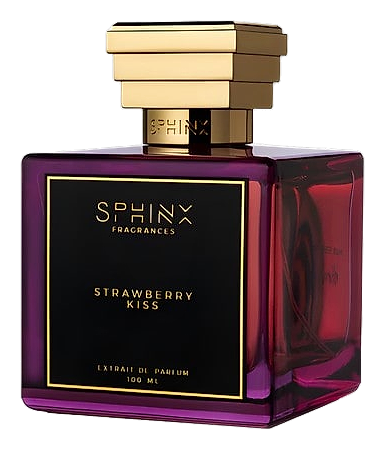
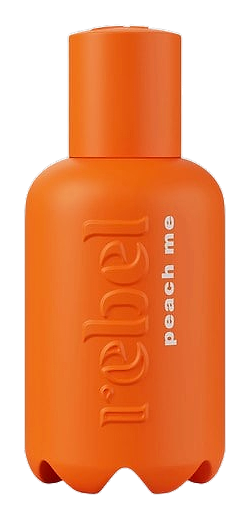
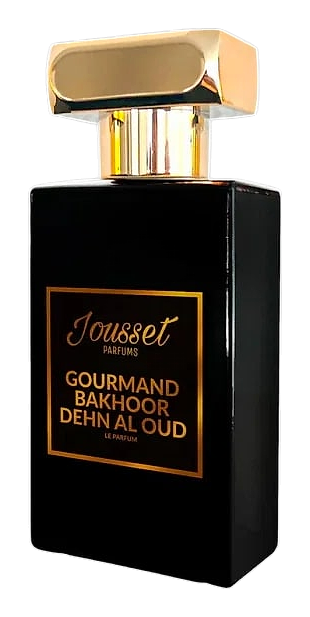
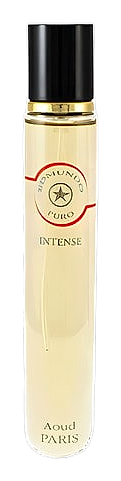
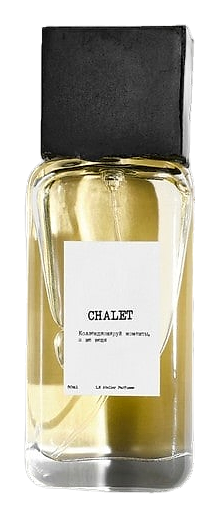
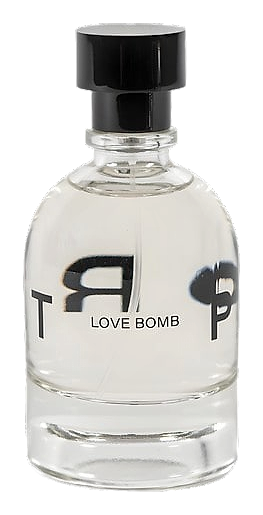
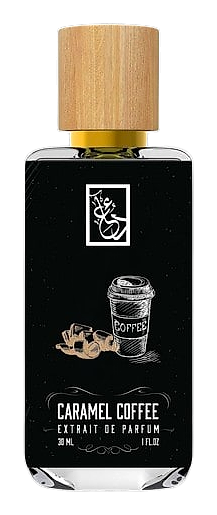
Fragrances featuring Burnt Caramel
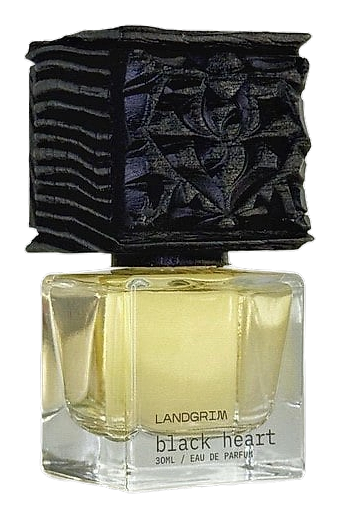
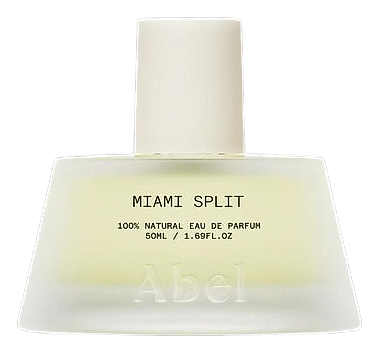
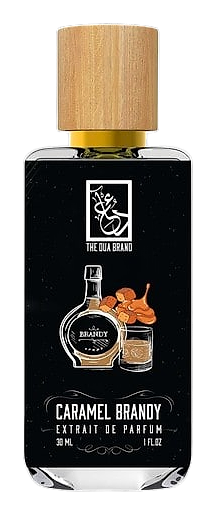
Brands
Brands known for Burnt Caramel
Good to know
Questions, answered
The essentials on Burnt Caramel in perfumery: how it smells, where it comes from, and how it behaves on skin.
Is burnt caramel a natural or synthetic ingredient?
Burnt caramel is entirely synthetic in perfumery. No natural extraction process yields this note. Chemists synthesize the relevant aroma molecules, such as maltol and furaneol, in laboratories to replicate the scent of caramelized sugar taken past the caramelization point.
What does burnt caramel smell like?
Burnt caramel combines deep sweetness with a distinct bitter edge, evoking the smell of sugar that has been heated past golden into smoky darkness. It registers as warm, edible, and slightly ashy, with round, almost smoky undertones.
How is burnt caramel used in fragrance compositions?
Perfumers use burnt caramel as a heart or base note, where it lends warmth and depth to Gourmand, Oriental, and Amber fragrance families. It often anchors sweet compositions, adding complexity that prevents them from smelling purely sugary.
Which fragrance families commonly feature burnt caramel?
Burnt caramel appears most often in Gourmand fragrances and Oriental/Amber families. These notes suit perfumes described as warm, sweet, edible, and comforting, particularly those with vanilla, tonka, praline, or smoky supporting elements.
Does burnt caramel smell more sweet or bitter?
It straddles both. The sweetness of caramelized sugar forms the foundation, but the burnt aspect introduces a pleasant bitter edge. This balance is what distinguishes it from gentler caramel notes and makes it more complex.
When did burnt caramel become popular in perfumery?
The 1990s Gourmand movement brought burnt caramel into mainstream perfumery, building on earlier synthetic breakthroughs from the 1800s. Guerlain's Insolence in 1998 was an early mass-market success that highlighted caramel in women's fragrance.
Can burnt caramel be combined with other sweet notes?
Yes, and this is common practice. Burnt caramel pairs naturally with vanilla, tonka bean, benzoin, and praline. The contrast between its bitter edge and rounder sweet notes creates more interesting, layered compositions.
Is burnt caramel considered a safe ingredient in perfume?
Burnt caramel aroma molecules used in perfumery are IFRA-compliant and considered safe for cosmetic use at standard concentrations. As with all fragrance ingredients, they undergo rigorous safety assessment before market use.