Caramel Sauce
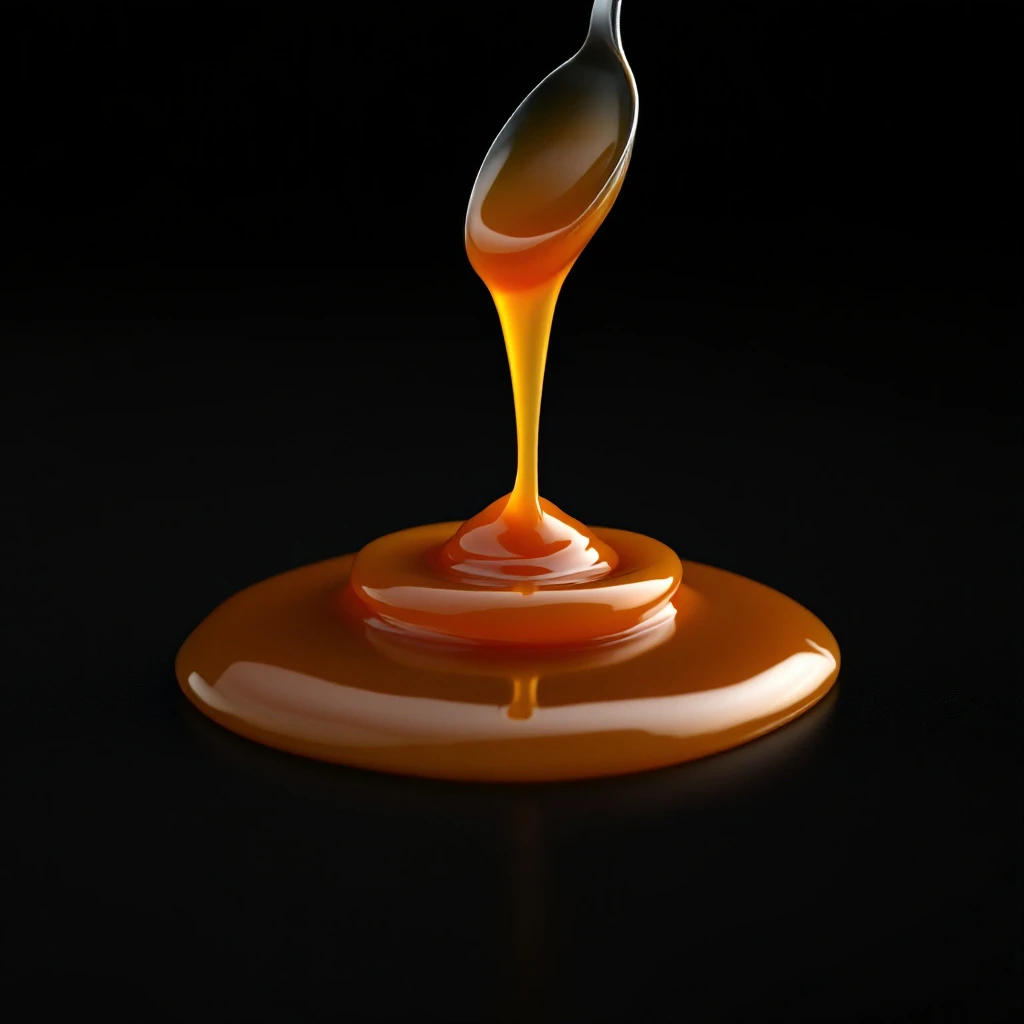
Caramel in perfumery is a synthetic accord that captures the warm, buttery sweetness of burned sugar. It brings depth and comfort to compositions, wrapping top notes in edible warmth while giving drydown an addictive richness.
Character
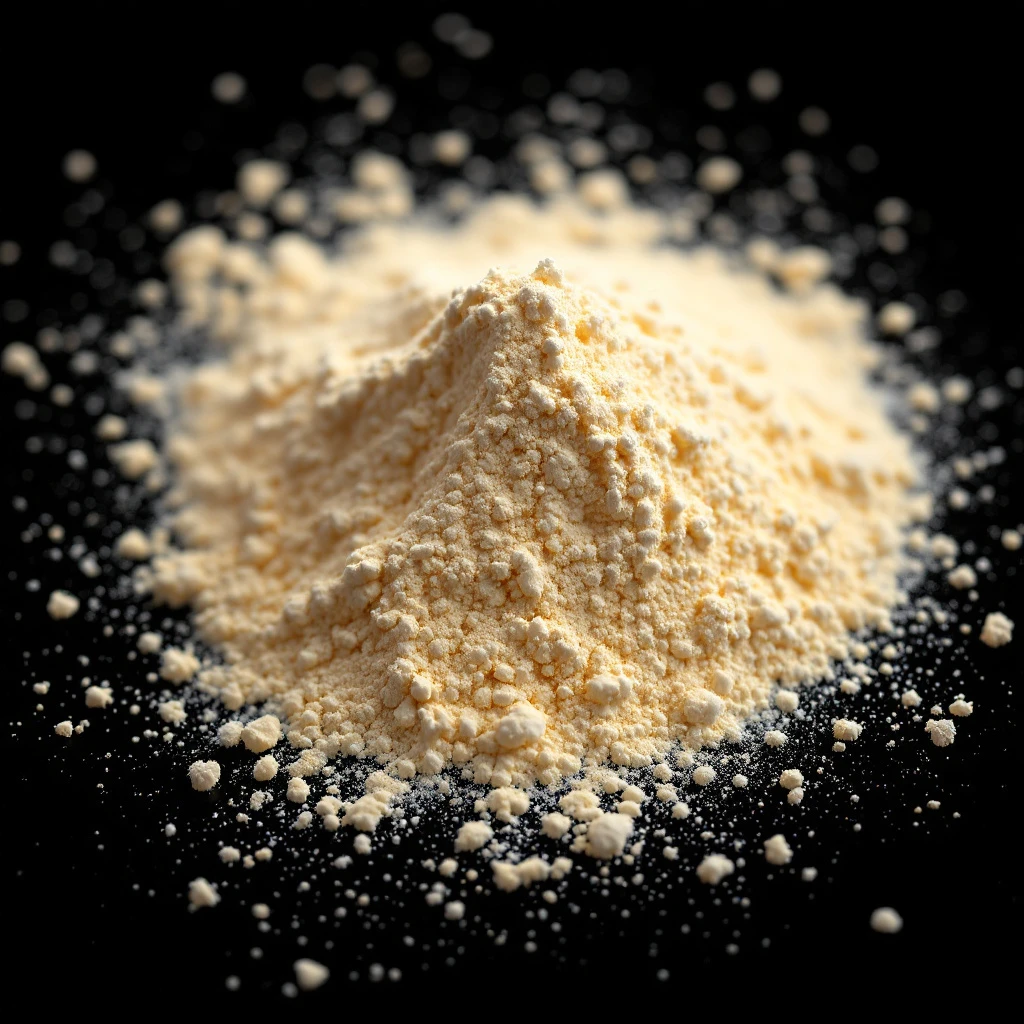
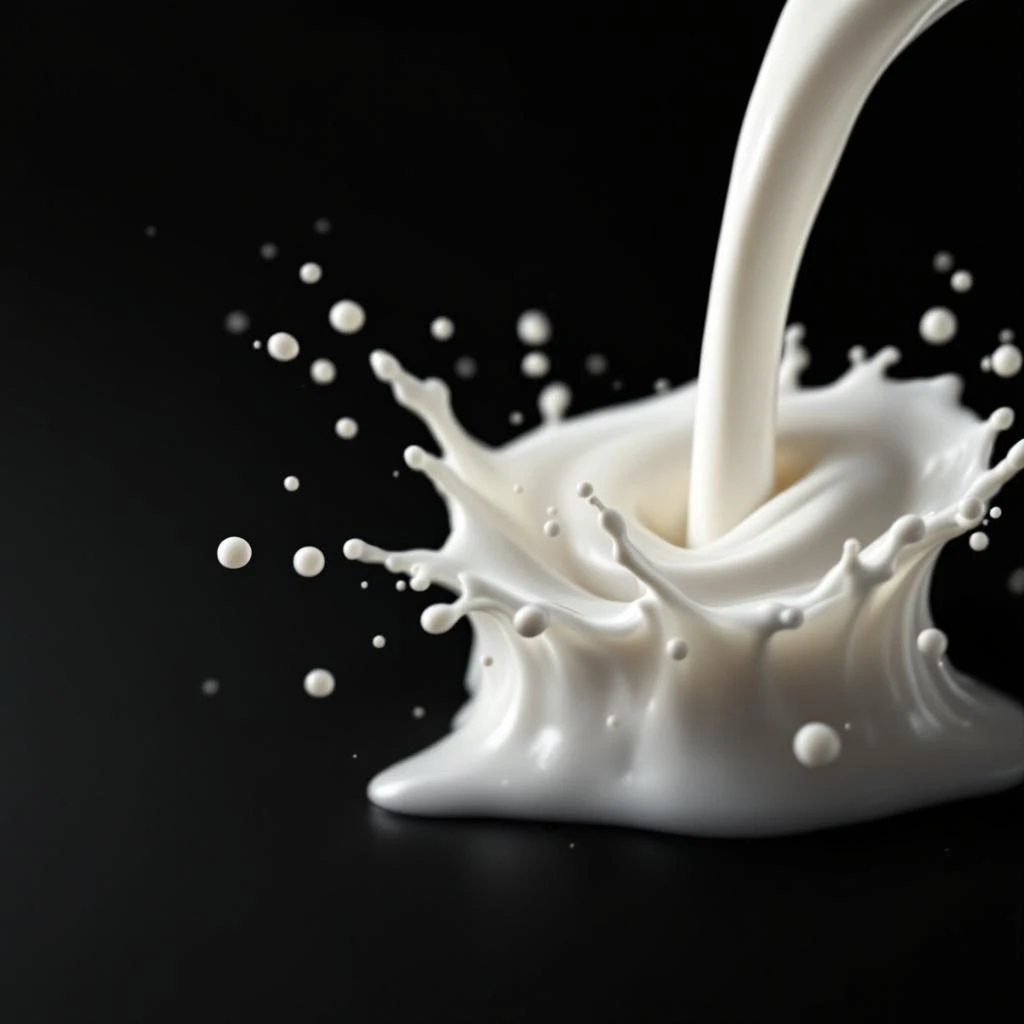
How it smells
Synthetic sugar, real warmth.
Caramel's signature scent comes from the Maillard reaction, a chemical process discovered in cooking. Synthetic perfumery simply recreates that chemistry in the lab.



Origin
France
Before the 19th century, perfumers relied solely on natural materials. The advent of organic synthesis opened a new chapter: chemists could now construct aromatic molecules that had no natural source.
Early pioneers synthesized vanillin, coumarin, and cinnamaldehyde, proving that lab-created materials could rival nature. Caramel emerged within this tradition as perfumers sought to bottle edible comfort.
The concept of edible perfumery gained momentum through the late 20th century, with gourmand fragrances driving demand for accurate, mouth-watering caramel effects. Today, synthetic caramel accords are foundational to the gourmand genre, used across men's and women's fragrances to convey warmth, sweetness, and sensuality.
Wears it best
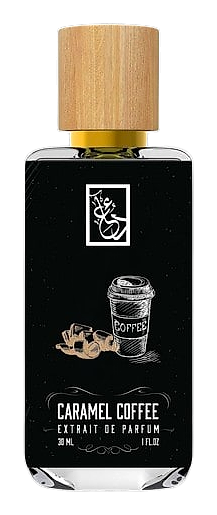
Fragrances featuring Caramel Sauce
Brands
Brands known for Caramel Sauce
Good to know
Questions, answered
The essentials on Caramel Sauce in perfumery: how it smells, where it comes from, and how it behaves on skin.
What is caramel in perfumery?
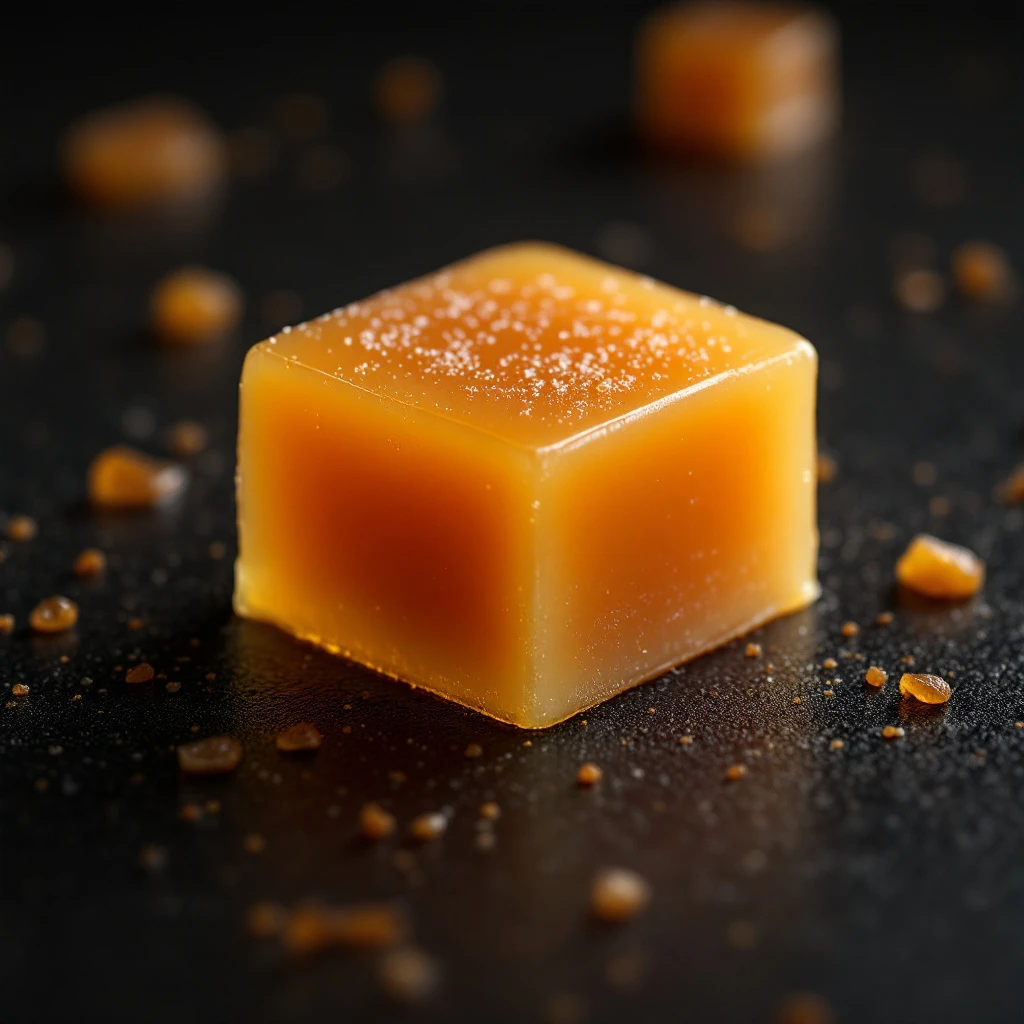
Caramel is a synthetic aromatic accord that mimics the scent of burned sugar. It captures the warm, buttery, and slightly smoky character of real caramel, adding sweetness and depth to fragrance compositions.
Is caramel a natural ingredient in perfume?
No. Caramel does not exist as a natural extractable material. Perfumers build the scent entirely from synthetic molecules like furaneol and maltol that replicate caramel's aroma in the laboratory.
Is synthetic caramel safe to use in fragrance?
Yes. The synthetic molecules used to create caramel accords undergo extensive toxicological testing and are approved for cosmetic and perfumery use under international safety standards.
What role does caramel play in a fragrance composition?
Caramel acts as a heart and base note, lending warmth, sweetness, and roundness. It softens sharp edges, adds an edible quality, and creates a lingering, comforting trail in the drydown.
When did synthetic caramel first appear in perfume?
Synthetic aromatic chemistry developed in the 19th century. Gourmand fragrance trends in the 1990s and 2000s drove widespread adoption of caramel accords in commercial perfumery.
What other ingredients pair well with caramel?
Vanilla, tonka bean, benzoin, and musks amplify caramel's sweetness. Woody notes like sandalwood and amber add depth, while sea salt or ozonic accords create contrast.
How does caramel differ from vanilla in fragrance?
Vanilla delivers creamy, powdery sweetness from natural vanillin. Caramel adds a darker, more complex quality with buttery and smoky facets that vanilla alone cannot provide.
Does caramel fade quickly in a perfume?
Caramel molecules have moderate tenacity. In an alcohol-based perfume, expect the note to remain prominent for 2 to 4 hours, softening into the drydown rather than disappearing abruptly.



