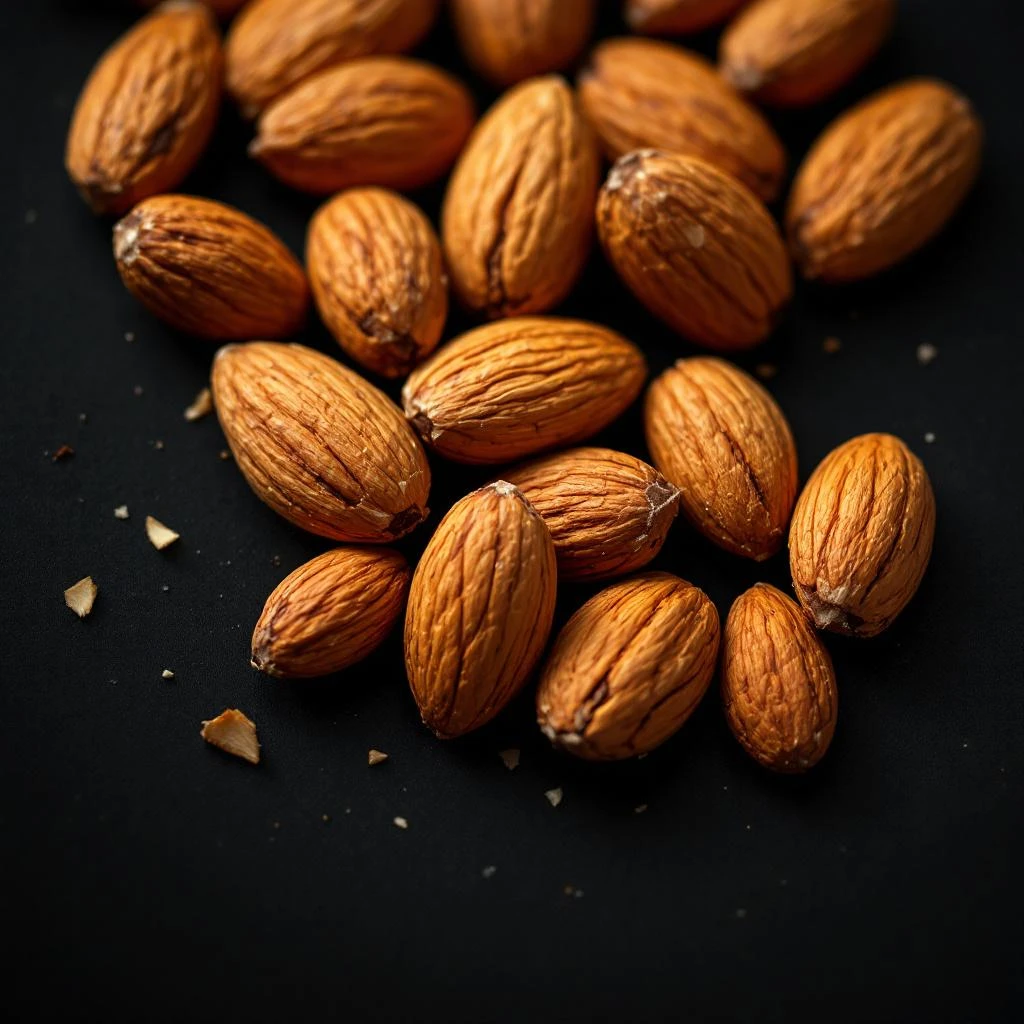
Hazelnut Coffee
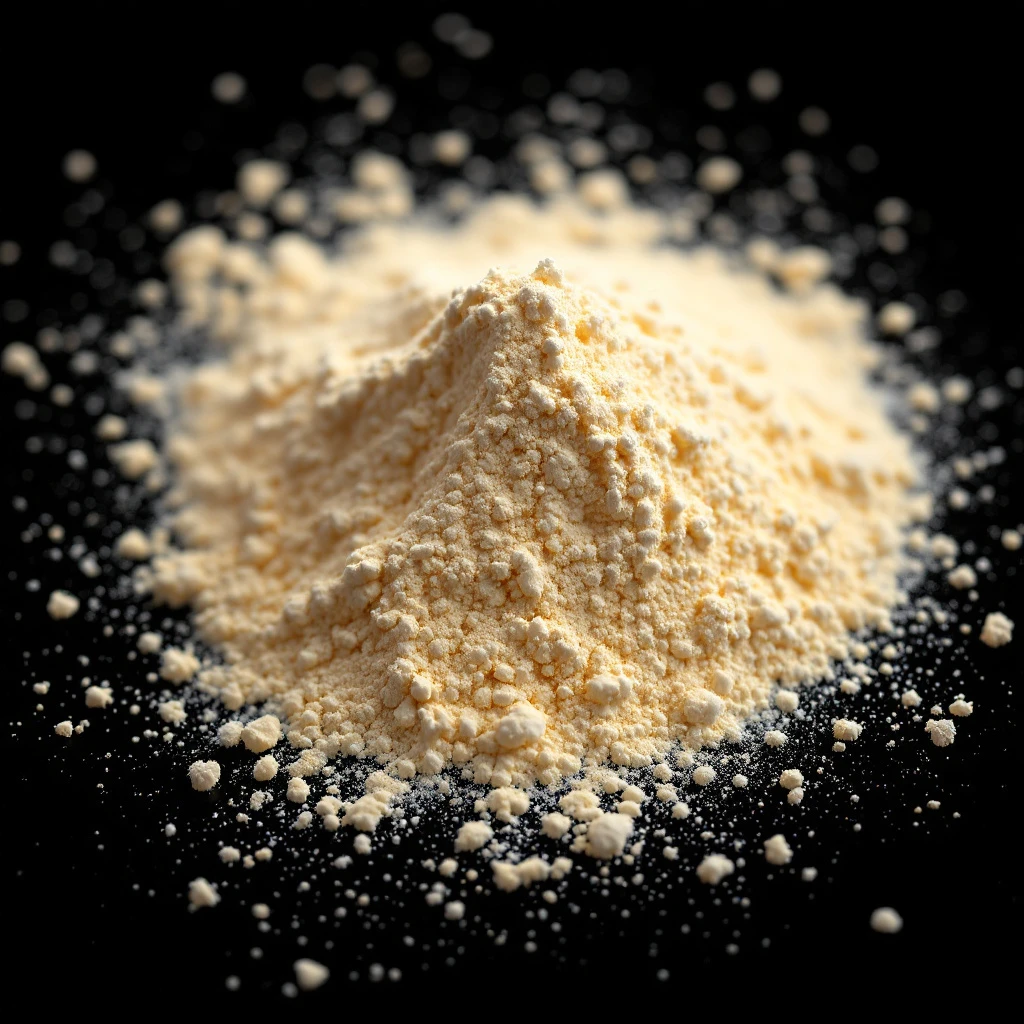
Warm roasted coffee meets the sweet, buttery depth of hazelnut. Together, they create an irresistible aroma that evokes cozy mornings and golden-hour indulgence. This beloved combination has become a modern perfumery staple, bringing comfort and sophistication to countless fragrances.

Character
How it smells
Roasted warmth meets nutty sweetness
Coffee was first used in perfumery in the 1920s, while hazelnut aromatic compounds were synthesized decades later, making their pairing a relatively recent olfactory marriage.



Origin
Turkey
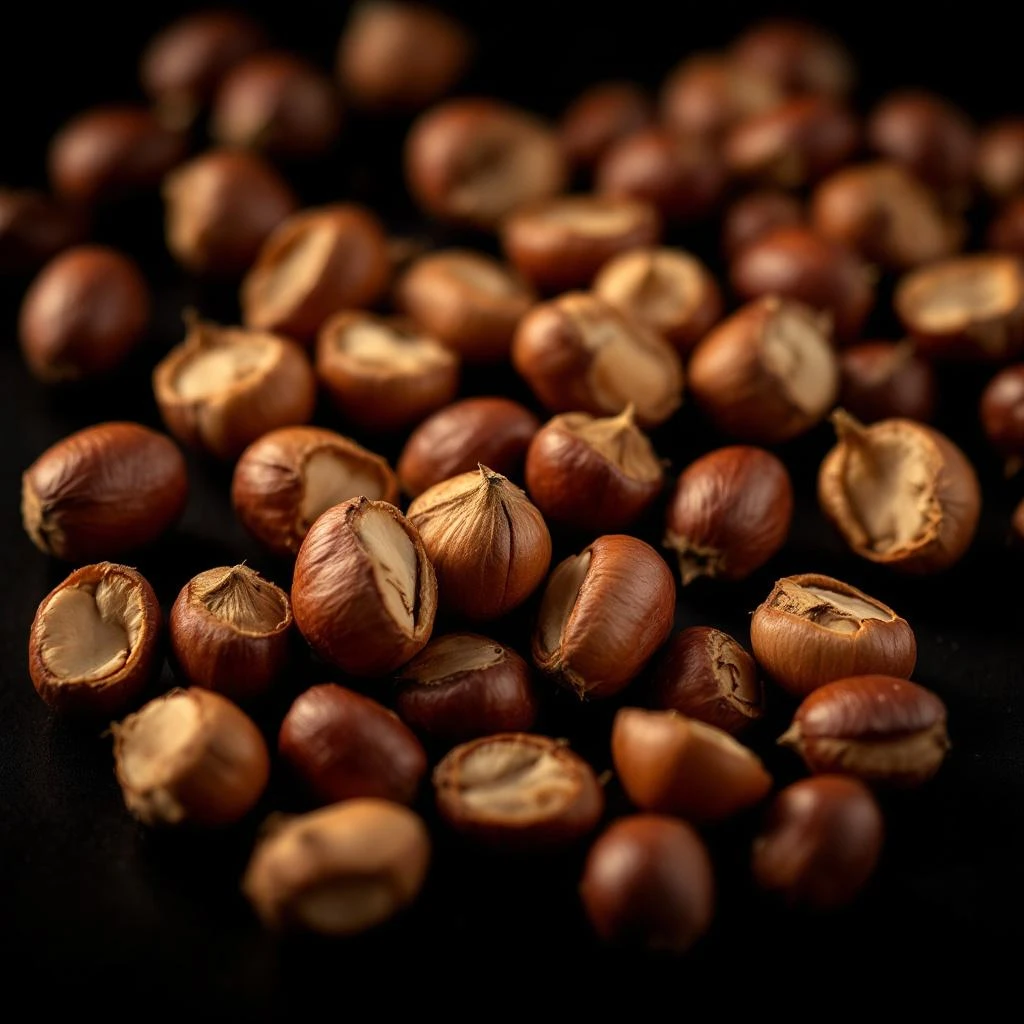
Hazelnut cultivation stretches back over 9,000 years, with archaeological evidence from sites across Turkey, Italy, and Spain where ancient peoples gathered wild specimens. The Romans considered hazelnuts sacred, associating them with Jupiter and using them in ceremonial practices. Coffee entered written history around 575 CE in Yemen, though Ethiopian legends describe goat herders discovering its stimulating properties centuries earlier.
Ottoman coffeehouses emerged in the 1500s as hubs of intellectual exchange across the Middle East. European traders carried both commodities home, and by the 1800s coffeehouses had transformed urban social life from Constantinople to Vienna. Perfumery adopted coffee as a note in the 1920s, but hazelnut remained elusive until aroma chemists successfully synthesized its key nutty molecules.
The combination took off in the 1990s alongside the broader gourmand fragrance movement, when consumer appetite for edible, comforting scents reshaped the industry.
Wears it best
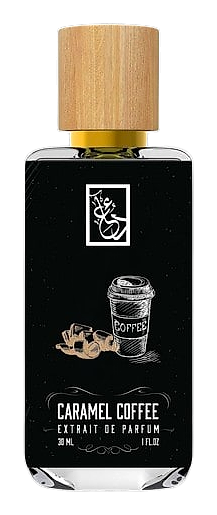
Fragrances featuring Hazelnut Coffee
Brands
Brands known for Hazelnut Coffee
Good to know
Questions, answered
The essentials on Hazelnut Coffee in perfumery: how it smells, where it comes from, and how it behaves on skin.
Is hazelnut coffee a natural or synthetic ingredient in perfumery?
Both forms exist. Natural hazelnut coffee uses extracts from roasted hazelnuts and coffee beans obtained through solvent or CO2 extraction. Most fragrances rely on nature-identical aromatic molecules that replicate the roasted, nutty profile with greater consistency and shelf stability.
What does hazelnut coffee smell like in a fragrance?
It smells like freshly brewed coffee with a smooth, buttery hazelnut swirl. The effect is warm, slightly sweet, and deeply comforting, often described as edible or gourmand. Base notes of chocolate or vanilla frequently reinforce the impression.
What extraction method captures coffee's aroma for perfume?
Supercritical CO2 extraction and hydrocarbon solvent extraction both work. Both methods operate at low temperatures, preserving delicate roasted compounds that steam distillation would destroy. The result is a dark, viscous absolute with an intense coffee aroma.
Which ingredients pair well with hazelnut coffee in fragrances?
Vanilla, tonka bean, amber, and benzoin amplify the sweet, warm character. Tobacco and leather add contrast and depth. Woody notes like cedar ground the blend, while spices such as cinnamon introduce brightness without disrupting the core comfort.
How long does hazelnut coffee last on the skin?
The coffee note typically persists for 6 to 8 hours, making it a strong performer in fragrance bases. Hazelnut tends to fade slightly faster, around 4 to 6 hours. Applying to pulse points maximizes longevity for both notes.
Where do the best hazelnut and coffee ingredients for perfume originate?
Turkey supplies the majority of the world's hazelnuts, with Italy and Spain as secondary sources. For coffee, Colombia, Brazil, and Ethiopia produce the varieties most valued in perfumery, each contributing distinct aromatic profiles ranging from bright acidity to deep chocolate.
Can I find hazelnut coffee in both men's and women's fragrances?
Yes. The note transcends gender categories. It appears in masculine leathers and orientals as often as in feminine florals and gourmands. The warm, comforting character appeals broadly, which is why perfumers deploy it across all fragrance families.
How does hazelnut coffee change throughout the wear of a fragrance?
The opening burst is typically bright and roasted, dominated by coffee with a fleeting hazelnut sweetness. As the fragrance dries down, hazelnut deepens into a rich, buttery warmth while coffee settles into a lingering, almost smoky base. The full evolution spans 2 to 4 hours.