Vanilla Powder
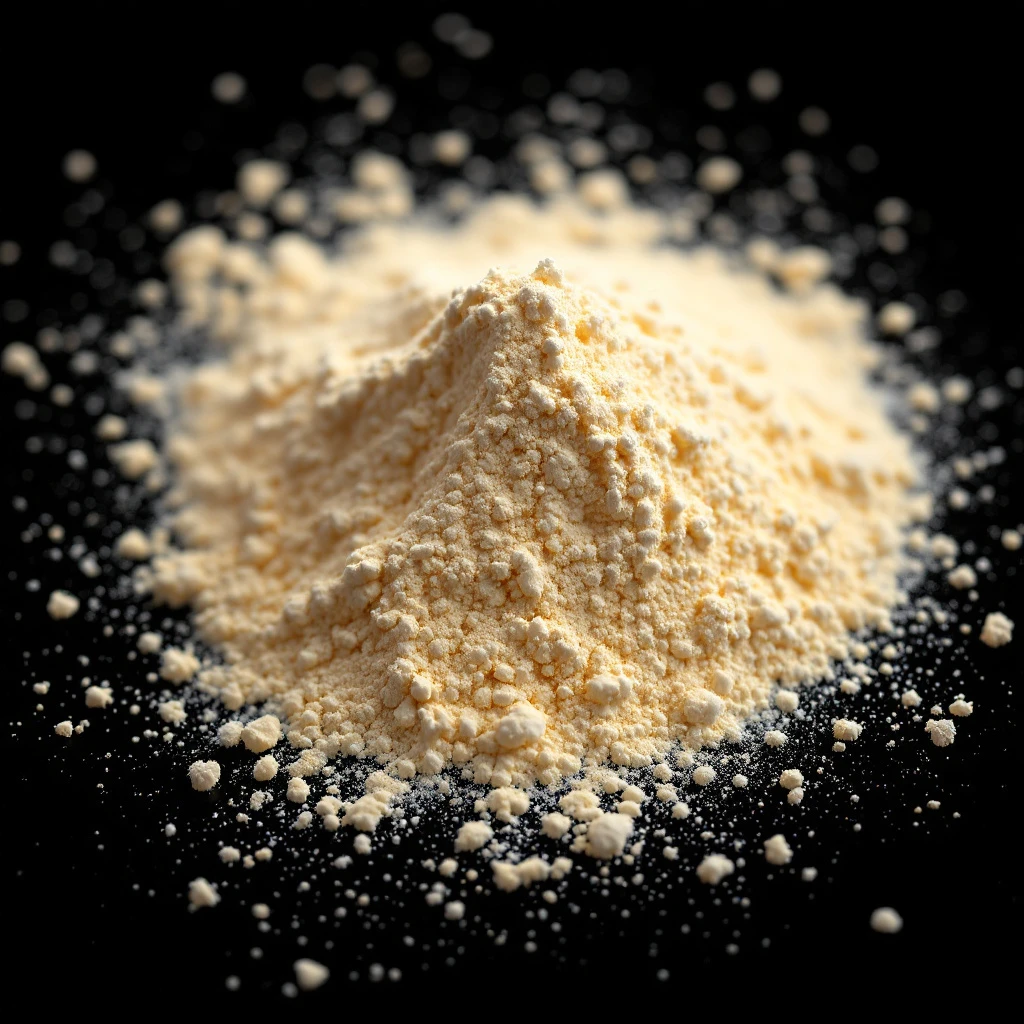
Vanilla powder captures the warm, familiar comfort of vanilla through careful processing of cured pods. This material brings a soft, powdery sweetness to fragrance compositions, adding depth and roundness that softens sharper notes while lending a cozy, intimate quality.
Character
How it smells
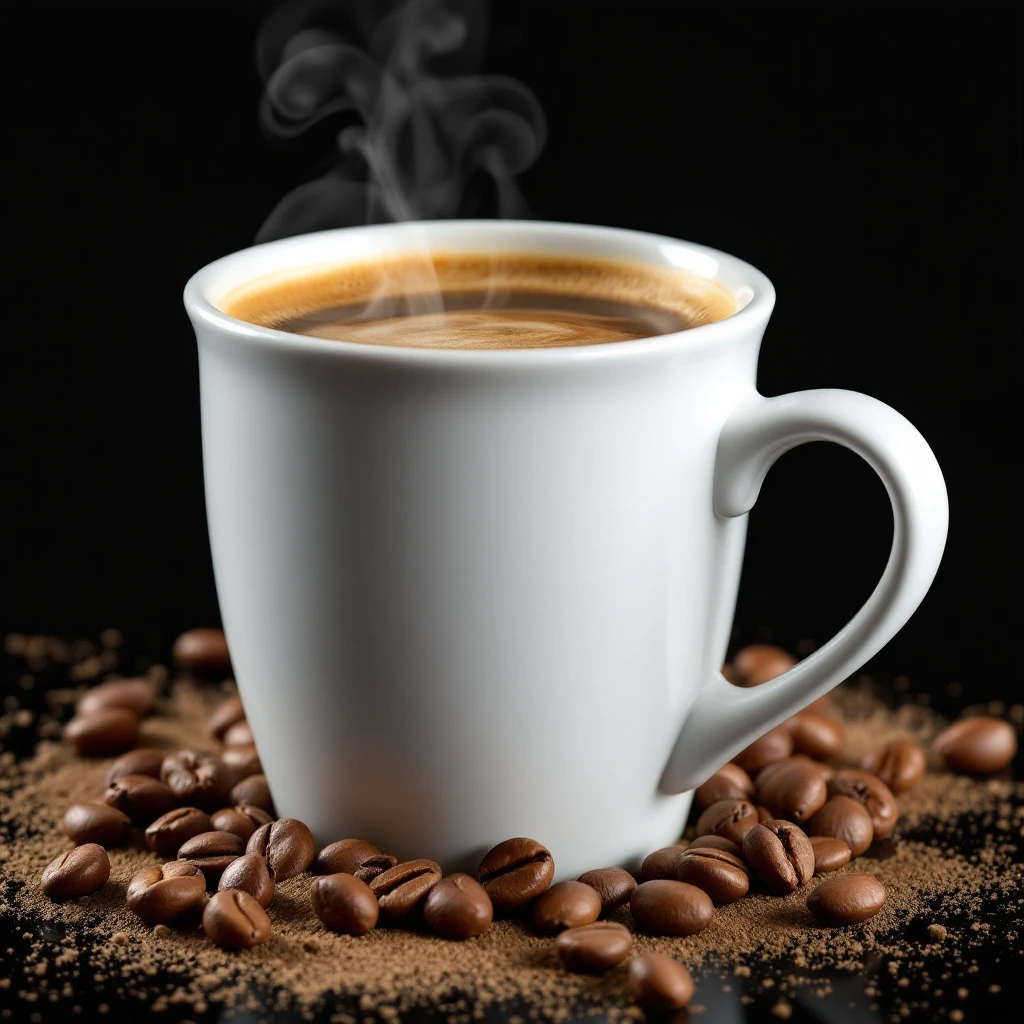
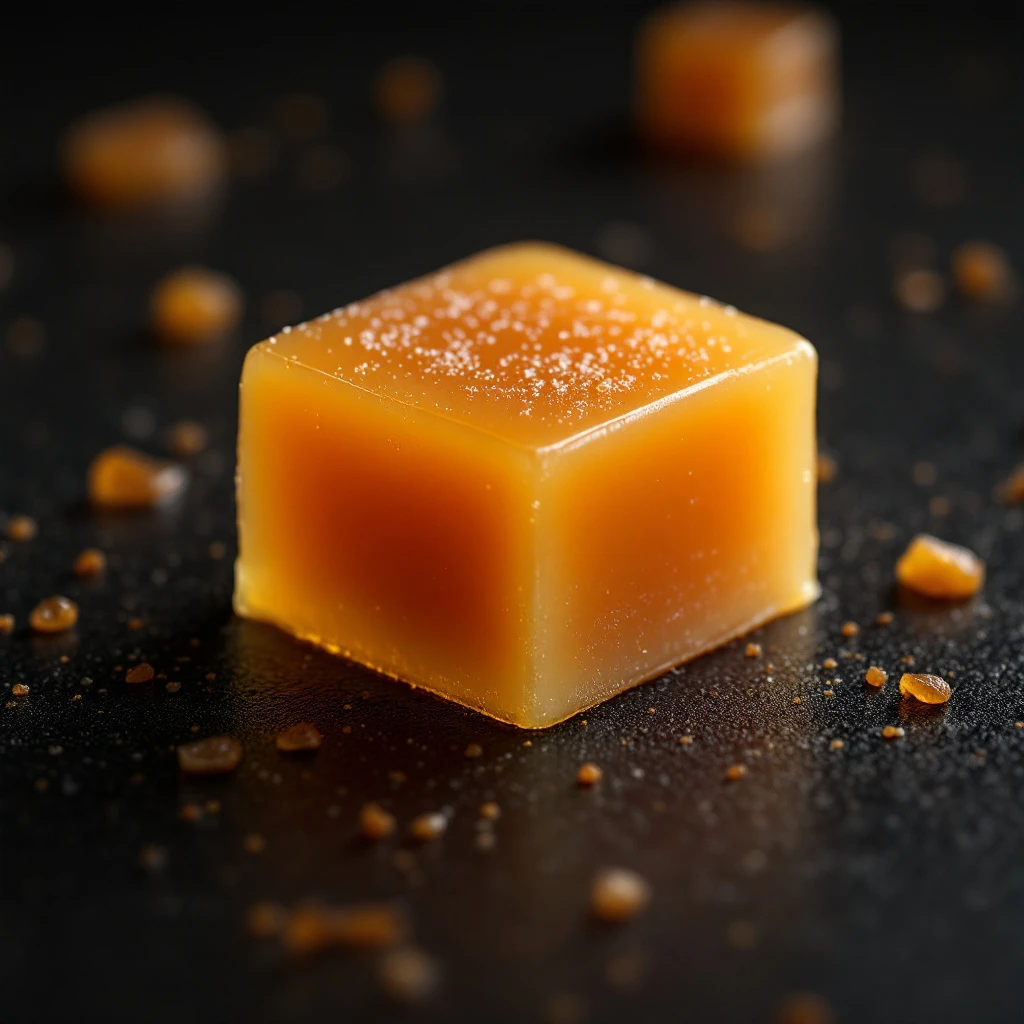
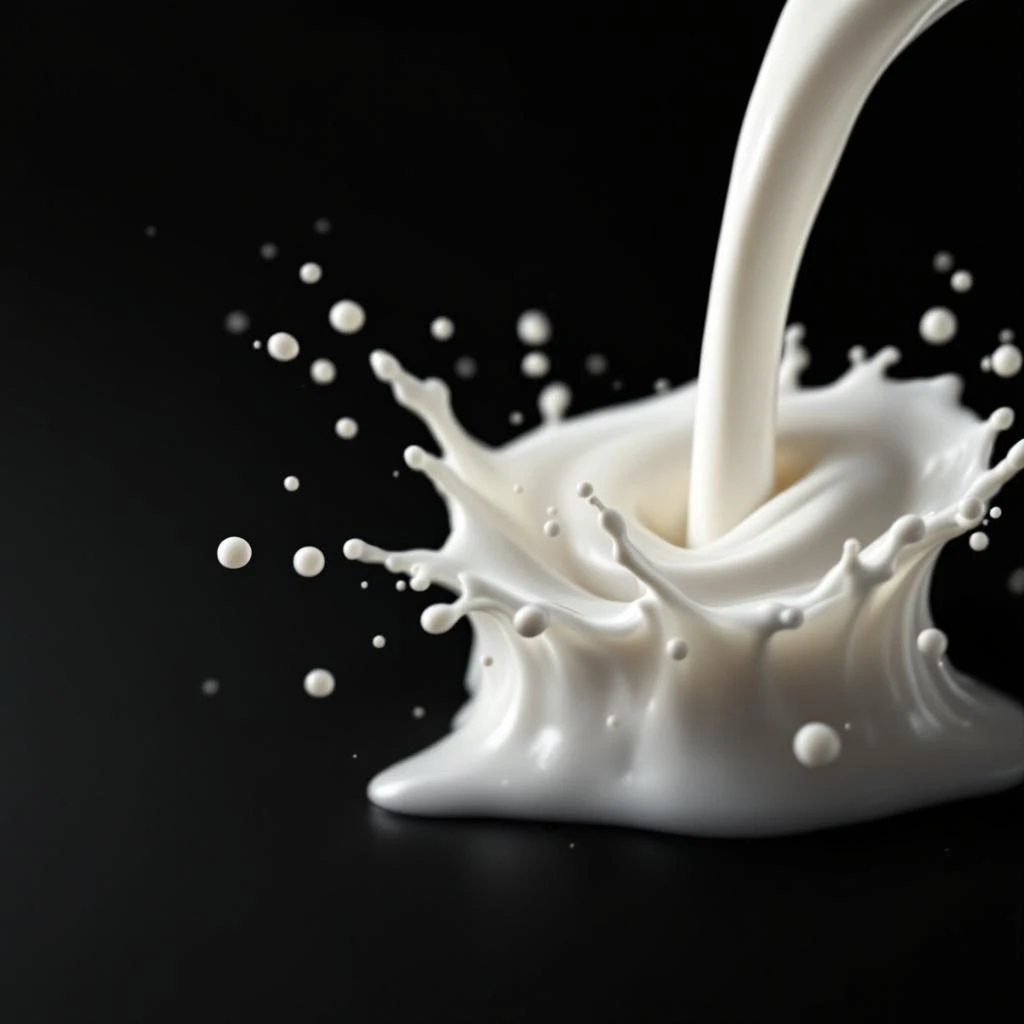
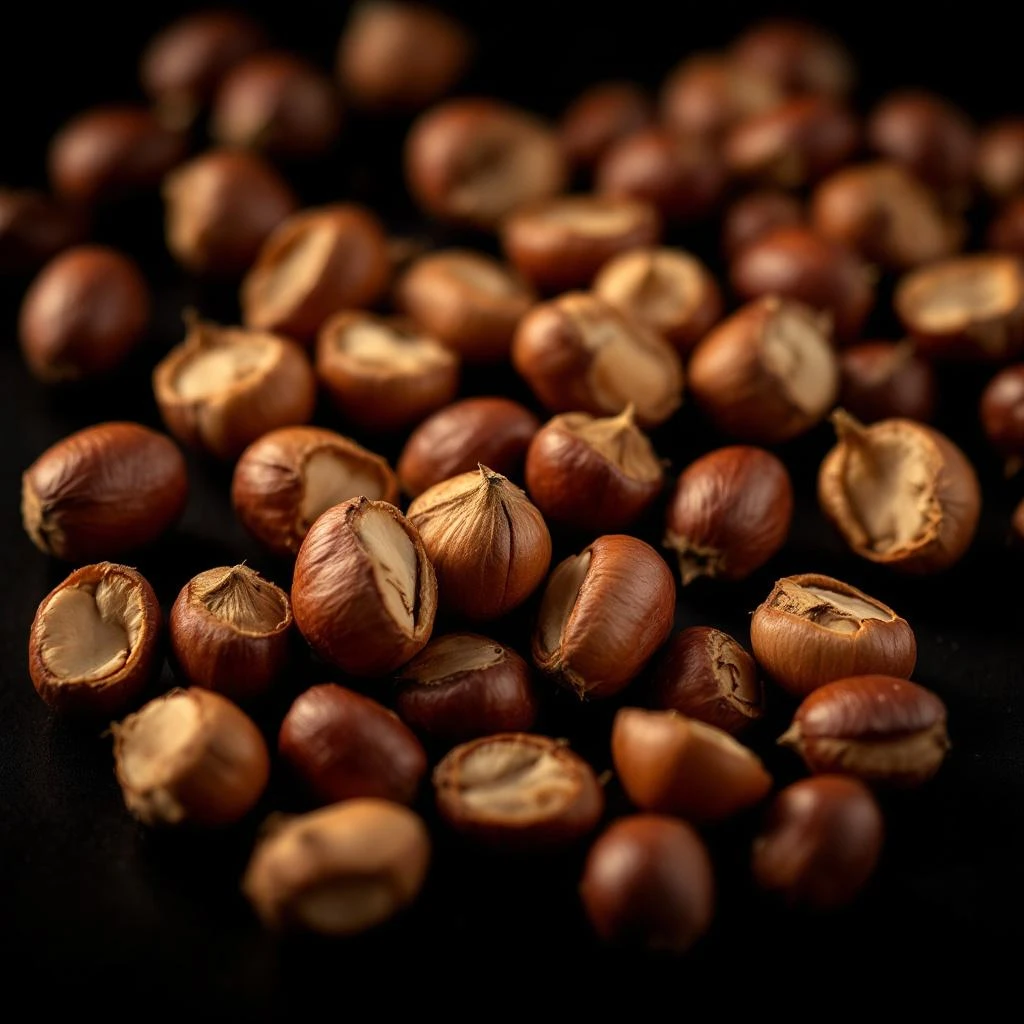
Soft warmth from cured tropical pods
Each vanilla orchid requires hand pollination and the pods cure for six to nine months before developing their signature aroma.


Origin
Mexico
The Aztecs first discovered vanilla's appeal when they used pods from Vanilla planifolia to flavor cacao drinks, a practice Spanish conquistadors observed in the sixteenth century. Europeans adopted vanilla as a flavoring for sweets, but the orchid's delicate flowers required hand pollination—a technique French botanists developed in the 1840s, breaking Mexico's three-century cultivation monopoly. Vanilla entered perfumery alongside the first synthetic aroma compounds.
German chemists synthesized vanillin from eugenol in 1874, and French firm Haarmann and Tiemann commercialized the process the same year. This discovery opened vanilla to unlimited production, independent of crop yields and seasonal variation. By the late nineteenth century, vanillin and coumarin had launched modern perfumery's synthetic era.
Today perfumers work with natural vanilla absolute alongside high-potency synthetic derivatives like ethyl vanillin, first created in 1894, selecting based on desired character and effect. Madagascar remains the primary source of natural vanilla, though the plant originated in Mexico.
Wears it best
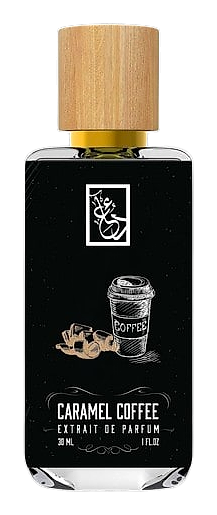
Fragrances featuring Vanilla Powder
Brands
Brands known for Vanilla Powder
Good to know
Questions, answered
The essentials on Vanilla Powder in perfumery: how it smells, where it comes from, and how it behaves on skin.
What does vanilla powder smell like in perfume?
Vanilla powder provides a warm, sweet, and slightly woody aroma with a distinctive powdery finish. It adds roundness and comfort to fragrance compositions, softening sharper notes and creating an intimate, cozy effect.
How is vanilla powder produced?
Producers grind dried, cured vanilla pods into a fine powder. The pods cure for six to nine months through alternating sweating and drying cycles, which develop vanillin content and concentrate aromatic compounds.
Is vanilla powder natural or synthetic?
Vanilla powder typically refers to ground natural vanilla pods, a fully natural material. Some versions combine the powder with spray-dried extract or added vanillin for enhanced potency.
What is the difference between vanilla absolute and vanilla powder?
Vanilla absolute is a viscous solvent extract, while vanilla powder consists of ground dried pods. The powder retains more of the pod's physical structure and offers a softer, more subtle aromatic profile.
Where does vanilla powder originate?
Vanilla planifolia originated in Mexico, where Aztec civilizations first used it. Today Madagascar produces about 80 percent of the world's vanilla supply, though cultivation spans tropical regions globally.
Why did vanilla become important in perfumery?
Vanilla gained prominence after 1874 when chemists first synthesized vanillin, making the ingredient widely available. This discovery helped launch modern perfumery's synthetic era alongside coumarin.
What notes pair well with vanilla powder in fragrance?
Vanilla powder harmonizes with warm orientals, Gourmand compositions, and powdery florals. It softens sharp contrasts between sweet and dry elements while adding comforting depth.
How much vanilla powder appears in typical perfumes?
Formulators use vanilla powder at low concentrations, typically below 5 percent, because its aromatic impact is potent. The exact amount depends on the desired warmth and the other materials present.