Steamed Milk
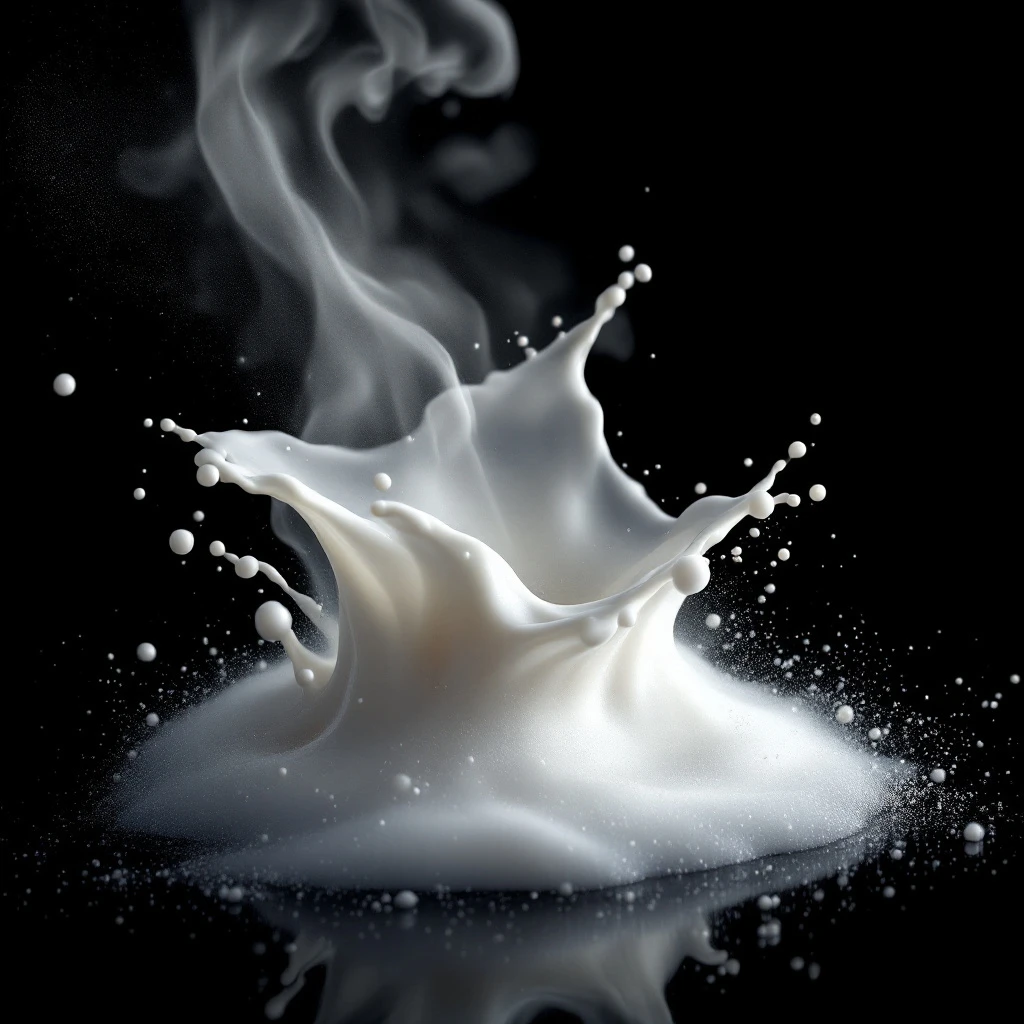
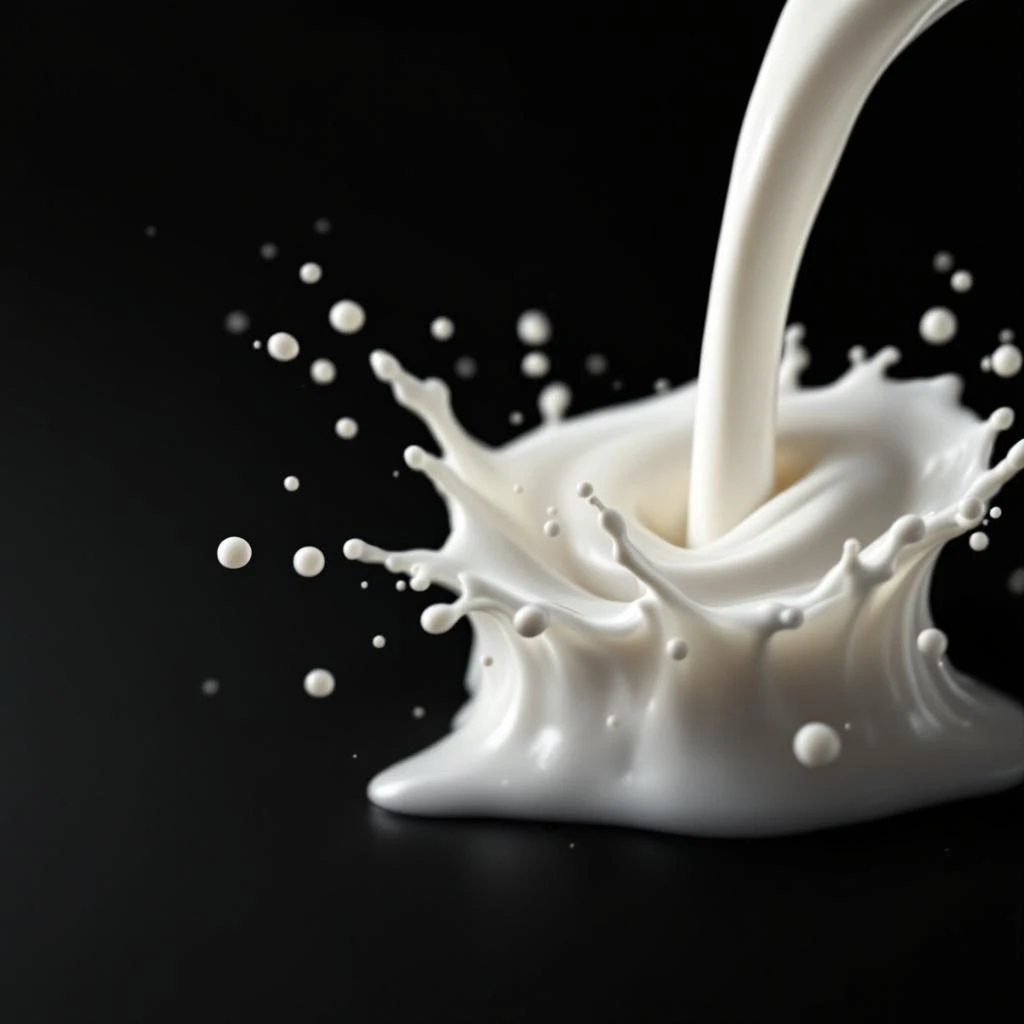
Steamed milk is a cozy, lactonic note in perfumery. It replicates the warm, creamy scent of dairy without animal sourcing. Perfumers create this accord using synthetic lactones that mirror the soft sweetness of heated milk.
Character
How it smells
Cozy dairy warmth from the chemist's bench.
The warm note in heated milk is a natural lactone called delta-decalactone, identical to the synthetics perfumers use today.



Origin
France
Dairy and perfumery share ancient roots. Ancient Mesopotamian and Egyptian cultures used fresh milk and butter in ceremonial unguents, applying animal fats infused with botanicals to skin and sacred spaces. These early perfumers valued dairy for its richness and fixative properties, though the chemistry remained simple.
True lactone chemistry arrived in the nineteenth century when French chemists synthesized aromatic compounds for the first time. Vanillin and coumarin opened the door to recreating food-like scents artificially. By the twentieth century, lactones entered the perfumer's palette, finally allowing accurate, stable milk accords.
Today, steamed milk notes are staples in gourmand and skin-feel compositions worldwide.
Wears it best
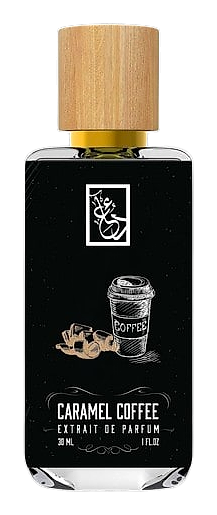
Fragrances featuring Steamed Milk
Brands
Brands known for Steamed Milk
Good to know
Questions, answered
The essentials on Steamed Milk in perfumery: how it smells, where it comes from, and how it behaves on skin.
What are milk notes in perfumery?
Milk notes are lactonic aroma chemicals that recreate the warm, creamy scent of heated dairy. Perfumers use synthetic lactones, primarily gamma-decalactone and delta-decalactone, to produce a rich, slightly sweet milk accord without any animal-derived ingredients.
What does steamed milk smell like?
Steamed milk has a warm, creamy aroma with soft sweetness and a delicate buttery quality. It smells like milk warming on a stovetop: comforting, clean, and slightly gourmand. Perfumers often describe it as lactonic, soft, and enveloping.
Where do milk notes appear in perfumery?
Milk notes typically appear as heart or base notes, where their creamy warmth blends with florals, vanillas, or musks. They add texture and comfort, creating an enveloping, skin-close quality that makes fragrances feel softer and more intimate.
Are milk notes natural or synthetic?
Modern milk notes are almost entirely synthetic. Lactones like gamma-decalactone replicate the exact aroma compounds found in natural dairy. This approach guarantees batch-to-batch consistency and allows precise control over the final scent profile.
Do milk notes smell different across fragrance types?
Yes. In florals, milk adds creamy softness around petals. In gourmand fragrances, it amplifies edible accords like coconut or tonka. In orientals, milk lends warmth and comfort that softens heavier resinous notes without weighing them down.
When did lactones first appear in perfumery?
Lactones entered perfumery in the nineteenth century alongside the first synthetic aroma compounds. Vanillin and coumarin pioneered food-like scent recreation. Lactones followed, enabling perfumers to build warm, lactonic accords that previously existed only in nature.
What is the key molecule in milk notes?
Delta-decalactone is the primary lactone responsible for milk's characteristic creamy aroma. It occurs naturally in ripe peaches and dairy. Synthesized through controlled reactions, it delivers consistent, potent milk character in minute concentrations.
Do milk notes act as fixatives?
Milk notes do not function as traditional fixatives, but they anchor fragrance perception. Their creamy warmth slows the evaporation of lighter top notes, making compositions feel smoother and longer-lasting on skin.