The Story
Why it exists.
The beginning
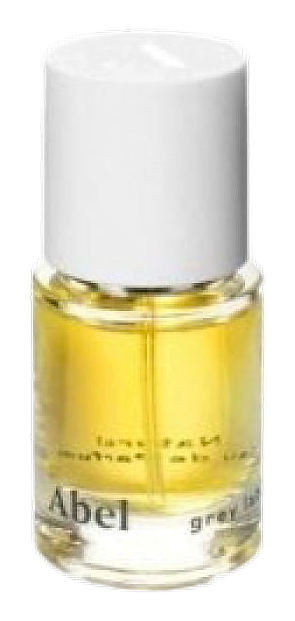
Grey Labdanum arrived in 2016, the work of a perfumer named Isaac Sinclair, composing for a house headed by Frances Shoemack. The brief, as best as anyone outside the studio can reconstruct, was relatively simple: build something resinous and spiced around labdanum, treat it as the structural center rather than a finishing touch, and see whether the composition could hold its shape with restraint. It did. Grey Labdanum wears its single-note obsession plainly, dressed in citrus and patchouli, built around labdanum the way a serious composition is built around its lead ingredient. Discontinued now, which gives it the particular gravity of something the brand decided it couldn't improve on.
Most labdanum-led fragrances lean either ambery and sweet or smoky and church-like. Grey Labdanum refuses both. The labdanum here is dry, almost mineral, stripped of the balsamic sweetness that usually defines it. Pairing it with bitter orange and grapefruit pulls the resin toward something sharper and more contemporary, while patchouli and clary sage in the middle ground it in raw earth rather than incense.
The evolution
The opening is the loudest part. Bitter orange and grapefruit arrive with a pithy, almost herbal bite that reads cleaner than sweet, like juice with the rind still on. Violet threads underneath, powdery and understated, adding the kind of softness that keeps the citrus from feeling like a cocktail. As the top notes start pulling back, the middle takes over. Patchouli grounds everything, dry and earthy rather than the sweet, chocolatey patchouli most people know. Clary sage adds a herbal, slightly musky dryness, the kind that smells like linen drying in a warm room. Then labdanum takes over. It doesn't bloom so much as settle, warm and resinous, with a faint leathery edge that reads more like worn paper. The sillage drops noticeably as the hours pass, settling into a close skin scent that hangs around through the rest of the day.
Cultural impact
Grey Labdanum became a quiet reference point in the natural-perfume space, a composition that demonstrated what resinous, single-note naturals could achieve when built with discipline rather than sweetness. It earned attention from fragrance writers and collectors who were looking for labdanum-led work that didn't fall back on the usual amber conventions, and it gave the house a flagship around which its reputation could crystallize.