
The Story
Why it exists.
The beginning
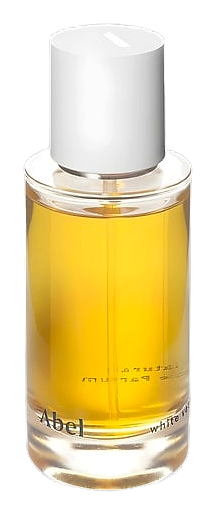
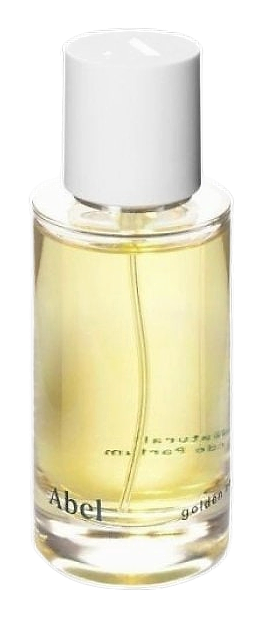
Golden Neroli landed in 2016 from Abel, a fragrance house working alongside perfumer Isaac Sinclair. The name points straight at neroli, the orange blossom oil extracted by steam, bright and almost edible in its concentration. But there's matcha in the opening too, and that detail is the whole idea. Tunisian neroli carries the citrus-floral brightness, while matcha gives the opening a vegetal, slightly tannic edge, the green bitterness of steeped tea cooling on the counter before the florals arrive. Without that tea underneath, the neroli could drift toward something generic, a familiar soapy-floral that doesn't say much. With it, the composition feels awake from the first spray, citrus and green stacked rather than layered politely. It's a neroli grounded before it gets too precious.
What makes the composition interesting is the choice to lead with tea rather than citrus alone. Tunisian neroli carries the citrus-floral brightness, but matcha (green tea) gives the opening a vegetal, slightly tannic edge that most neroli fragrances skip entirely. The heart pulls in Comorian ylang-ylang and Indian jasmine sambac absolute for a richer white floral body, then Petitgrain, also from Paraguay, adds a leafy green bridge between the bright top and the warmer florals beneath.
The evolution
The first hour is all neroli, loud and sunlit, with that matcha bitterness underneath keeping it from going flat. Around the 90-minute mark the jasmine sambac and ylang-ylang arrive properly, warming the composition into something creamier, less citrus and more golden-hour skin. The ylang is heavy enough to feel almost tropical on warm days, a banana-skin sweetness that fills the air around the wrist. By hour three the white florals begin to recede. The petitgrain's green woodiness stays visible longest, a thread of leafy bitterness that refuses to disappear, then bourbon vanilla takes over as the main event, sweet but not cloying, because the sandalwood underneath keeps it dry and grounded. By hour five you're left with a close, skin-warm scent, sandalwood and vanilla in near-equal balance. The next morning, what's left on the inside of your wrist smells like clean wood and faint honey.
Cultural impact
Golden Neroli sits inside a growing appetite for natural perfumery, the kind where you can read every ingredient on the label and pronounce most of them. The neroli-tea pairing reflects that constraint, a deliberate swap away from the synthetic orange blossom accords that usually dominate the category. Most mainstream neroli fragrances rely on aroma chemicals to project further and stretch the formula across a full day of wear. Abel's version stays closer to the skin because the naturals allow it.