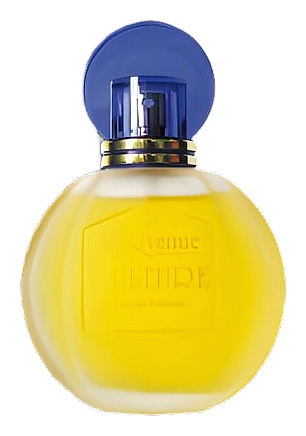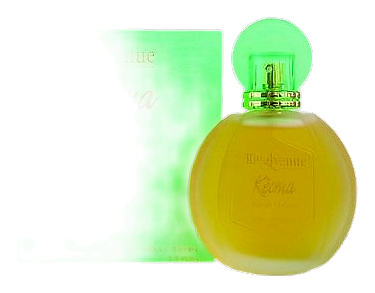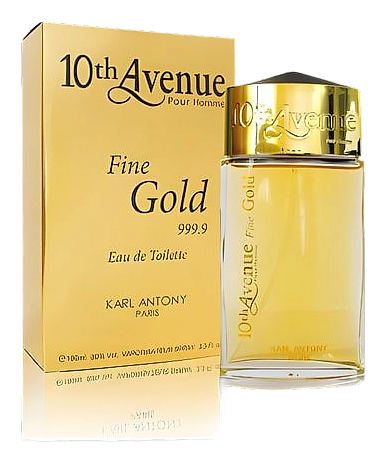

The Story
Why it exists.
The beginning
Imola arrived in 2000, the same year 10th Avenue Karl Antony was launched as a French design house. The fragrance itself is a unisex citrus gourmand, built on a clear contrast that carries the composition from one register to the next: a bright, easily read opening that softens into something warmer and more tactile. Citrus and fruit sit at the front of the pyramid, clean and sharp-edged, while spice, amber and woods take over further down the list. Bergamot, green apple and mandarin orange give the first impression a polished clarity, and cardamom, cinnamon, mint and nutmeg follow with a warmer, spiced character. The base settles into sandalwood, tolu balsam, amber and vanilla, which round the whole thing off with a soft sweetness.
What makes Imola worth a closer look is the hand-off between two families of notes that usually don't share the same stage. Bergamot, green apple and mandarin orange give it a crisp, almost polished entry, the kind you notice in a lift or a hallway. Then cardamom and cinnamon arrive with real intent, joined by mint and nutmeg, and the fruit starts to smell baked rather than raw. It's a familiar move in spirit, and there's an honesty to it. The base doesn't get lost either. Amber, sandalwood, tolu balsam and vanilla keep the whole thing grounded instead of letting the citrus vanish into air.
The evolution
The opening arrives fast and clean. Bergamot and mandarin orange cut through, green apple adds a crisp, almost dewy edge, and pink pepper puts a faint pink flare at the front. From there the citrus begins to round out, handing the composition over to cardamom, cinnamon and nutmeg. Mint keeps that middle from turning too heavy, lending a clean snap under the spice. The second half of the wear is where Imola settles into itself. Amber warms things up, sandalwood gives the base some grain and weight, tolu balsam brings a resinous sweetness, and vanilla softens the edges into something closer to a spiced dessert than a fruit fragrance. The progression reads like a slow shift in temperature, from bright and watery to warm and faintly sweet, with the citrus gradually becoming an accent rather than the main event.
Cultural impact
Imola is a citrus gourmand, and the shape of it is easy to pick out. The fragrance opens on bergamot, mandarin orange and green apple, runs through cardamom, cinnamon, mint and nutmeg, then settles into amber, sandalwood, tolu balsam and vanilla. That's a familiar gourmand architecture, familiar enough to read quickly and interesting enough to keep noticing, since the fruit turns spiced rather than staying raw and the base lands closer to a warm dessert than to a fresh splash. It's a composition that wears easily across genders, not because it splits the difference but because it never announces itself as belonging to one side of the aisle.