The Story
Why it exists.
The beginning
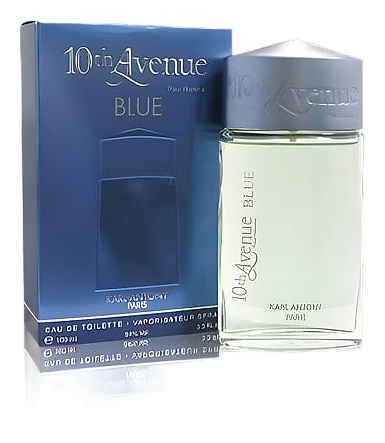
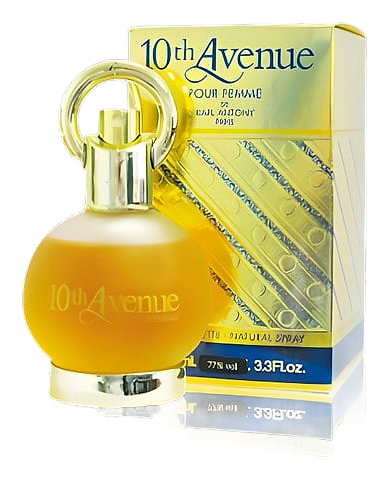
10th Avenue Femme arrived without fanfare from a house that had spent two decades building a catalogue of seventy-plus fragrances, each one a study in familiar ingredients paired in ways that made you stop and reconsider. This one chose the most universal route: the white floral. Not a statement. Not a provocation. A question asked quietly, with the expectation of an honest answer.
The structure is deceptively simple, bright fruit, white florals, powder base. But the carnation in the heart is the tell. It adds a spice that most powder-forward florals avoid, the kind of warmth that reads as intimacy rather than decoration. Lily of the valley is notoriously fleeting in composition, which makes its presence here a choice: fleeting is the point. The scent doesn't want to own the room. It wants to be remembered by one person standing close enough to catch it.
The evolution
The cassis and lemon open bright and tart, three minutes of electric clarity. Then the florals push in, jasmine first, lily of the valley threading through it with that clean, slightly soapy lift. The carnation arrives around minute fifteen, a warmth that steadies the composition. By the hour mark, the powder base takes over: soft, talc-like, skin-adjacent. It doesn't project. It whispers. On fabric, the drydown lingers into the next day, a ghost of warmth that smells like laundry left on the line too long.
Cultural impact
10th Avenue Femme occupies an interesting middle ground in the market, too distinctive to be called a crowd-pleaser, too approachable to be niche. Wearers tend to describe it as the scent of someone who didn't try too hard. The powder-floral combination places it in conversation with classics in the category, though it carves its own space through the carnation warmth in the heart.