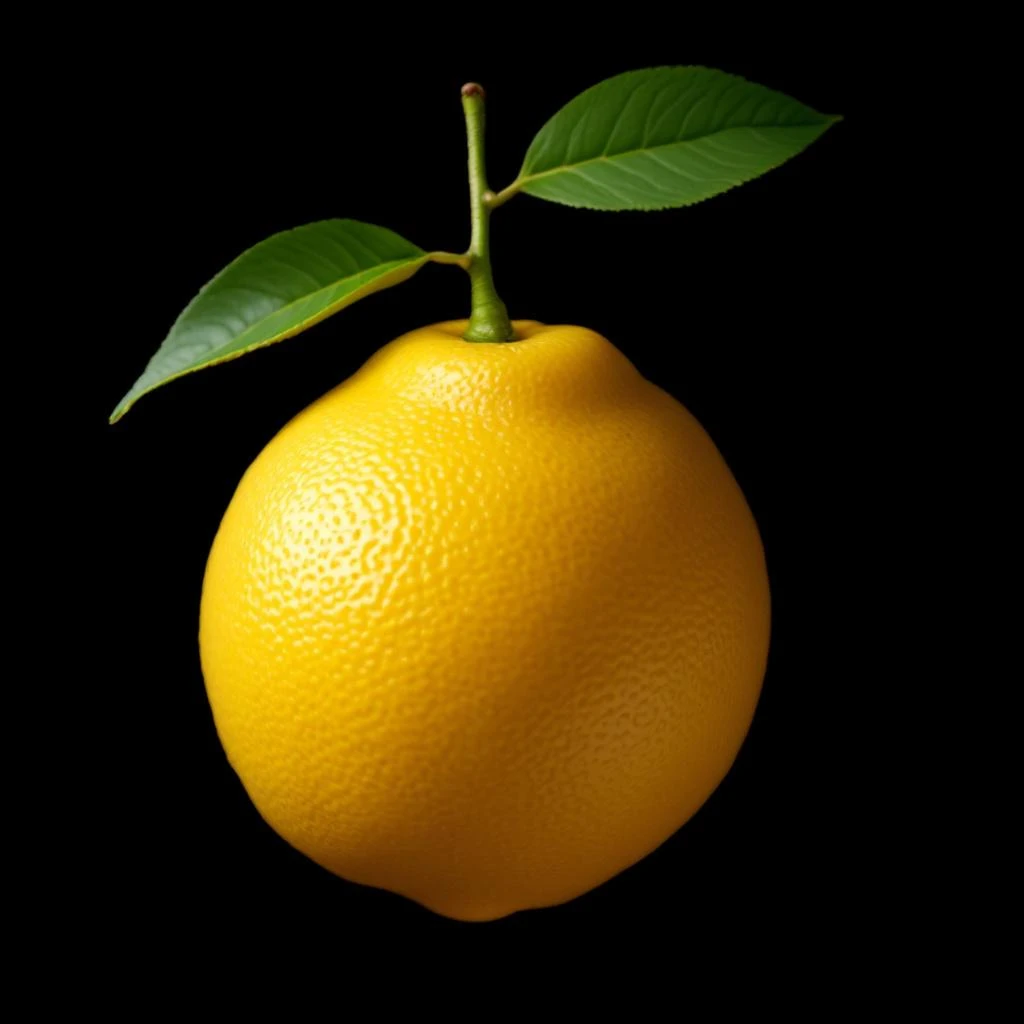
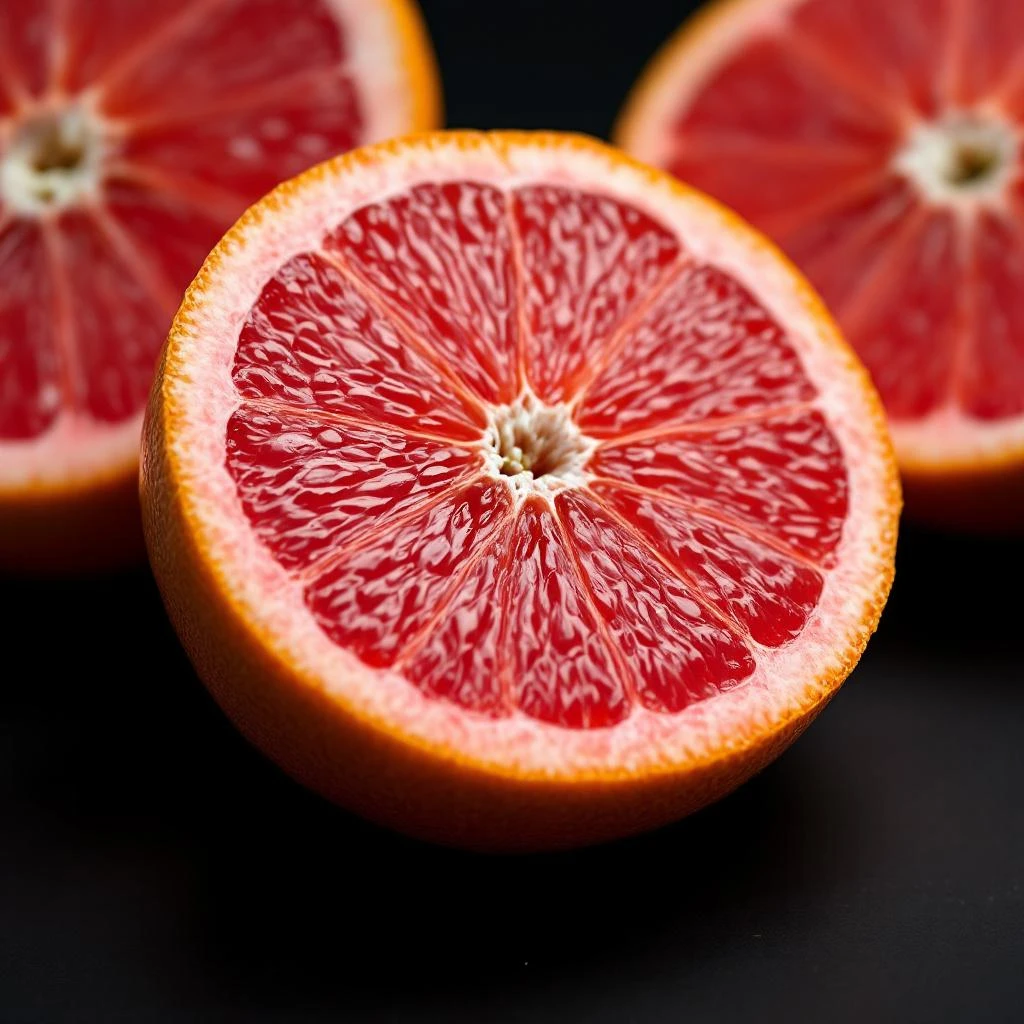
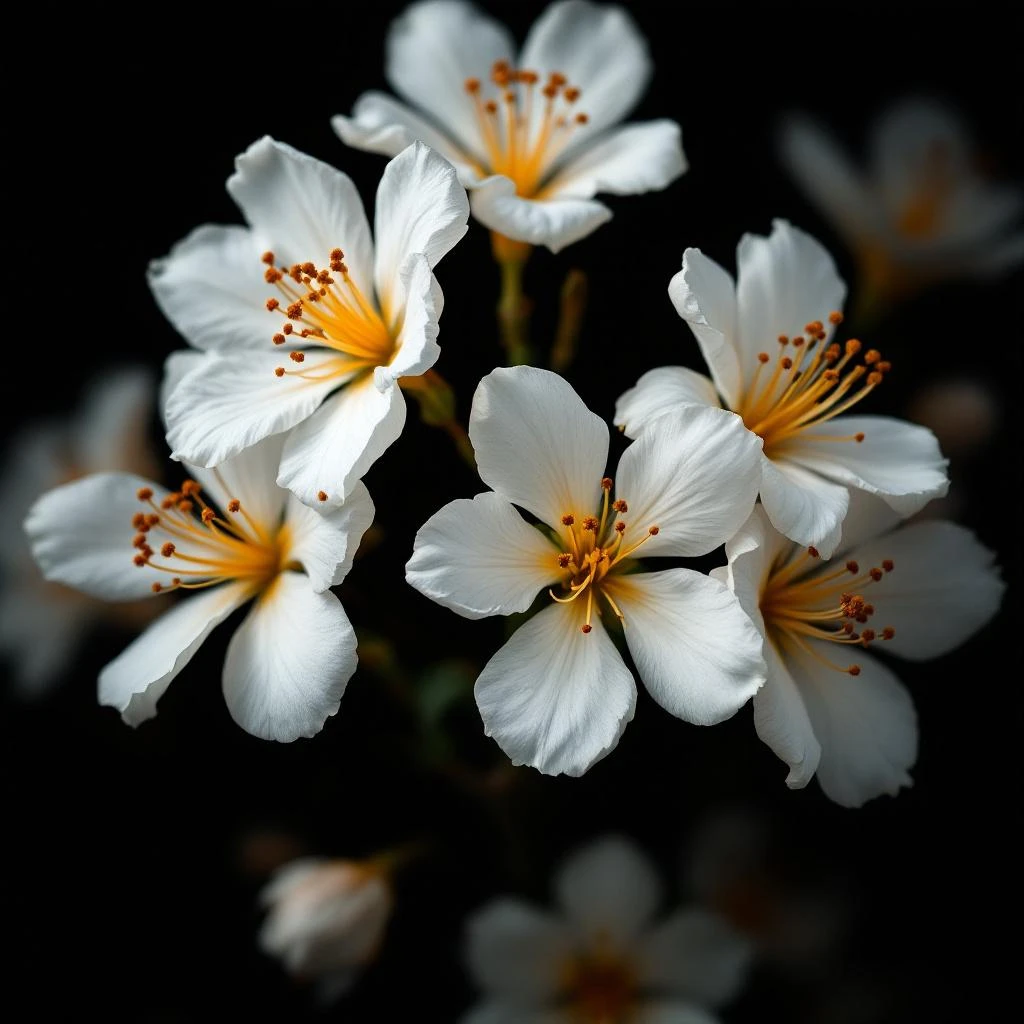
Tangerine Zest
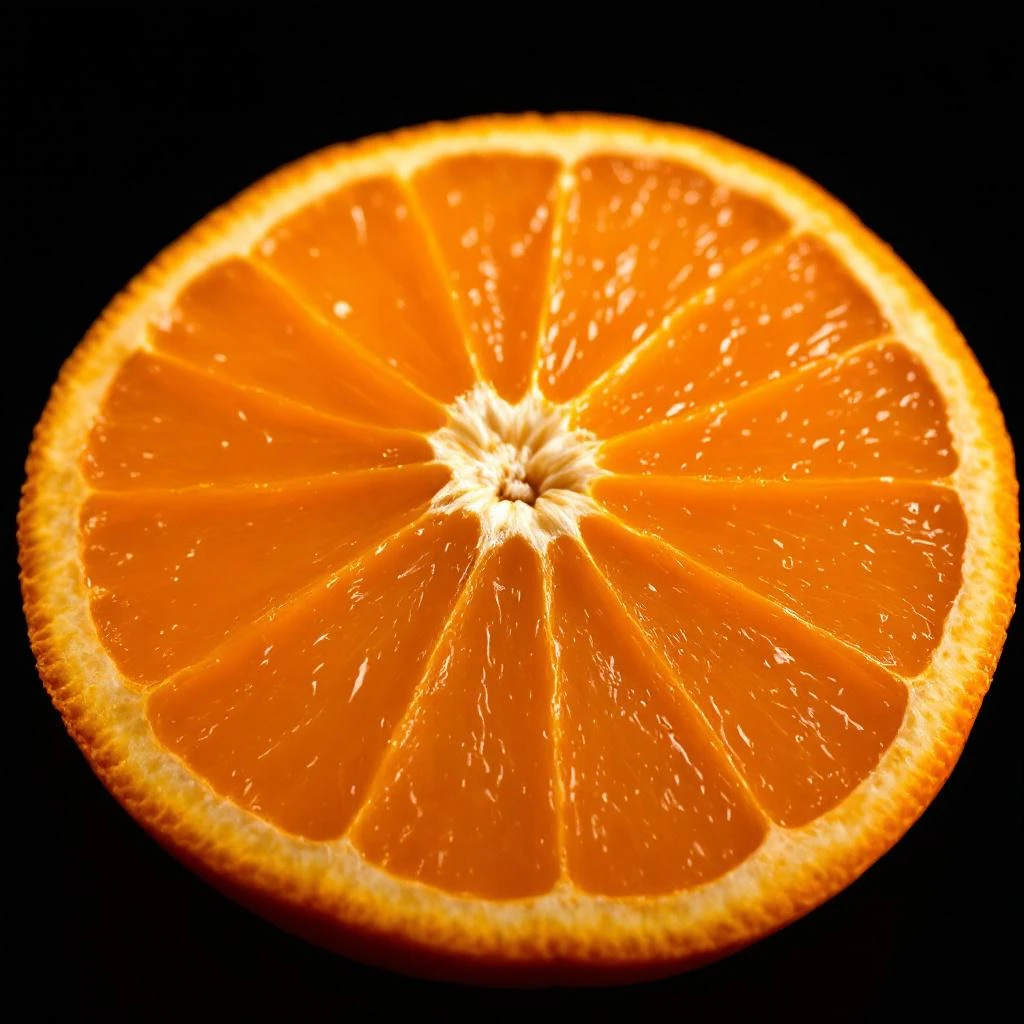
Tangerine Zest captures the sun-drenched brightness of ripe citrus peel, delivering an immediate burst of tart sweetness that lifts fragrances into crystalline clarity. This volatile top note has anchored perfumers' palettes for centuries, prized for its ability to energize compositions without overwhelming subtler companions.
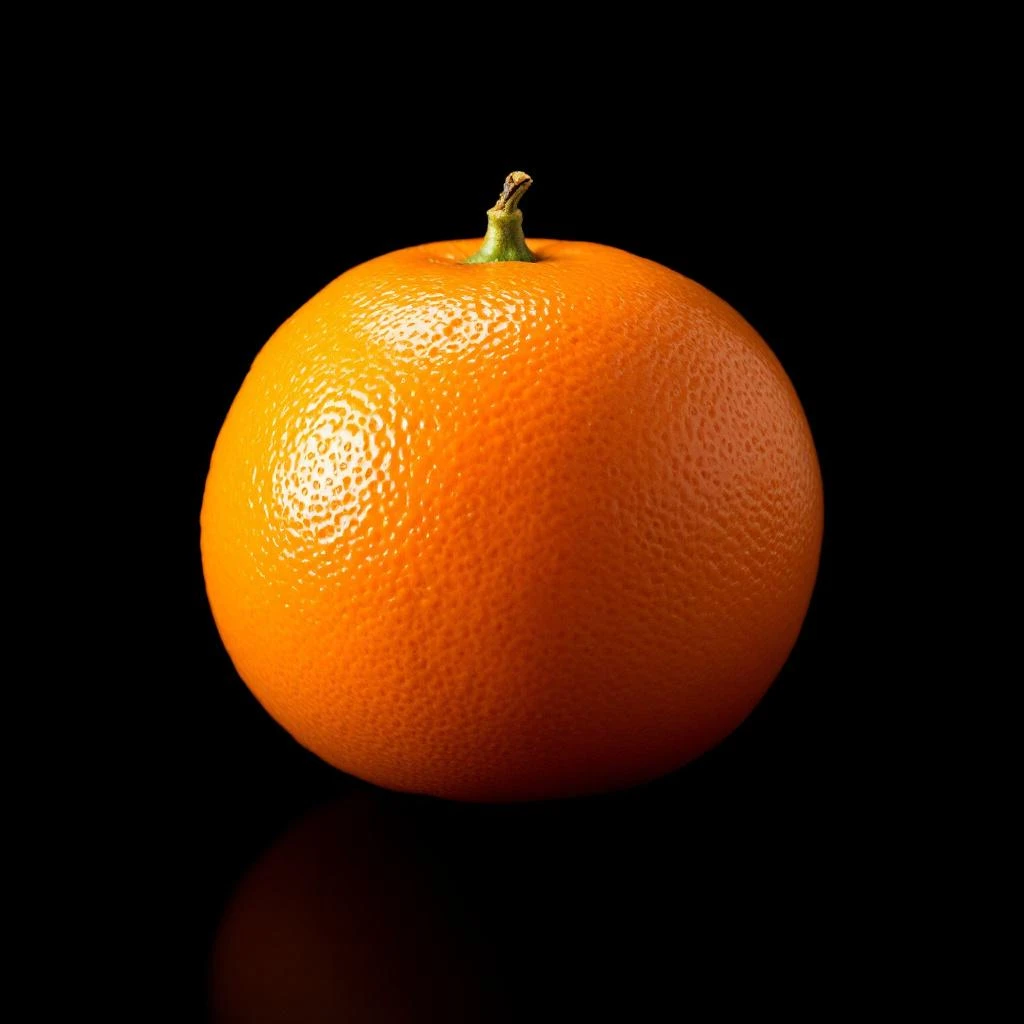
Character
How it smells
Citrus brightness that captures sunshine in a bottle.
The name "tangerine" derives from Tangier, Morocco, the port city through which these fruits first reached European markets in the early 19th century.
Origin
Southeast Asia
Tangerines trace their lineage to Southeast Asia, where they evolved as a distinct variety within the Citrus reticulata species alongside mandarins and clementines. European traders encountered these vibrant fruits through Moroccan trade routes in the early 1800s, naming them after the port of Tangier as a geographical marker. Colonial expansion and improved maritime shipping rapidly spread tangerine cultivation across Mediterranean climates in Spain, Italy, and later California.
Perfumery adopted citrus oils centuries earlier, with ancient Egyptians and Mesopotamians pressing orange and citron peels, but tangerine specifically gained prominence in Western perfumery during the cologne revival of the 18th century. Its sweeter, more floral character distinguished it from sharper lemon and bergamot, offering perfumers a gentler citrus option.
Wears it best
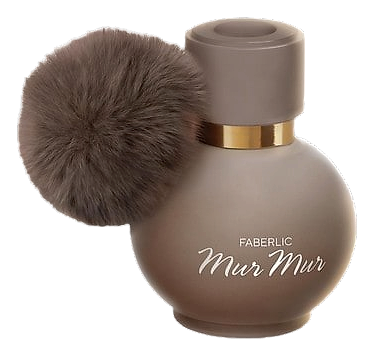
Fragrances featuring Tangerine Zest
Brands
Brands known for Tangerine Zest
Good to know
Questions, answered
The essentials on Tangerine Zest in perfumery: how it smells, where it comes from, and how it behaves on skin.
What does tangerine zest smell like in perfume?
Tangerine zest delivers bright, tart citrus with sweet undertones and subtle floral hints. Unlike sharper citruses, it reads as softer and more rounded, offering immediate freshness without harsh edges.
Where does tangerine essential oil for perfumery come from?
Major production centers include Italy, Spain, Greece, and California. All lie within Mediterranean climate zones that provide the cold winters and hot summers tangerine trees require.
How is tangerine oil different from mandarin or orange oil?
Tangerine oil carries stronger floral notes than orange, with less bite than lemon. Compared to mandarin, it is slightly more aromatic and tart, though both share similar chemical profiles.
Is tangerine zest a natural or synthetic ingredient?
Both natural and synthetic versions exist. Natural cold-pressed oil captures the full complexity of fresh zest. Aroma chemicals like para-methylacetophenone replicate specific facets for formulators.
What fragrance families pair well with tangerine zest?
Tangerine zest appears across citrus, aquatic, green, and even chypre compositions. It combines naturally with neroli, bergamot, and white florals like jasmine and orange blossom.
How long does tangerine zest last in a fragrance?
As a top note, tangerine zest typically lasts 15 to 45 minutes on skin before evaporation reveals the heart composition beneath.
What compounds give tangerine its characteristic aroma?
Limonene dominates the chemistry at roughly 70 to 90 percent. Smaller quantities of gamma-terpinene, alpha-sinensal, and methyl anthranilate contribute its distinctive sweet-floral character.
Does cold expression preserve more aroma than heat extraction?
Yes. Cold expression maintains volatile aromatic molecules intact. Heat-based methods degrade delicate esters and aldehydes that define fresh citrus character.