Periwinkle
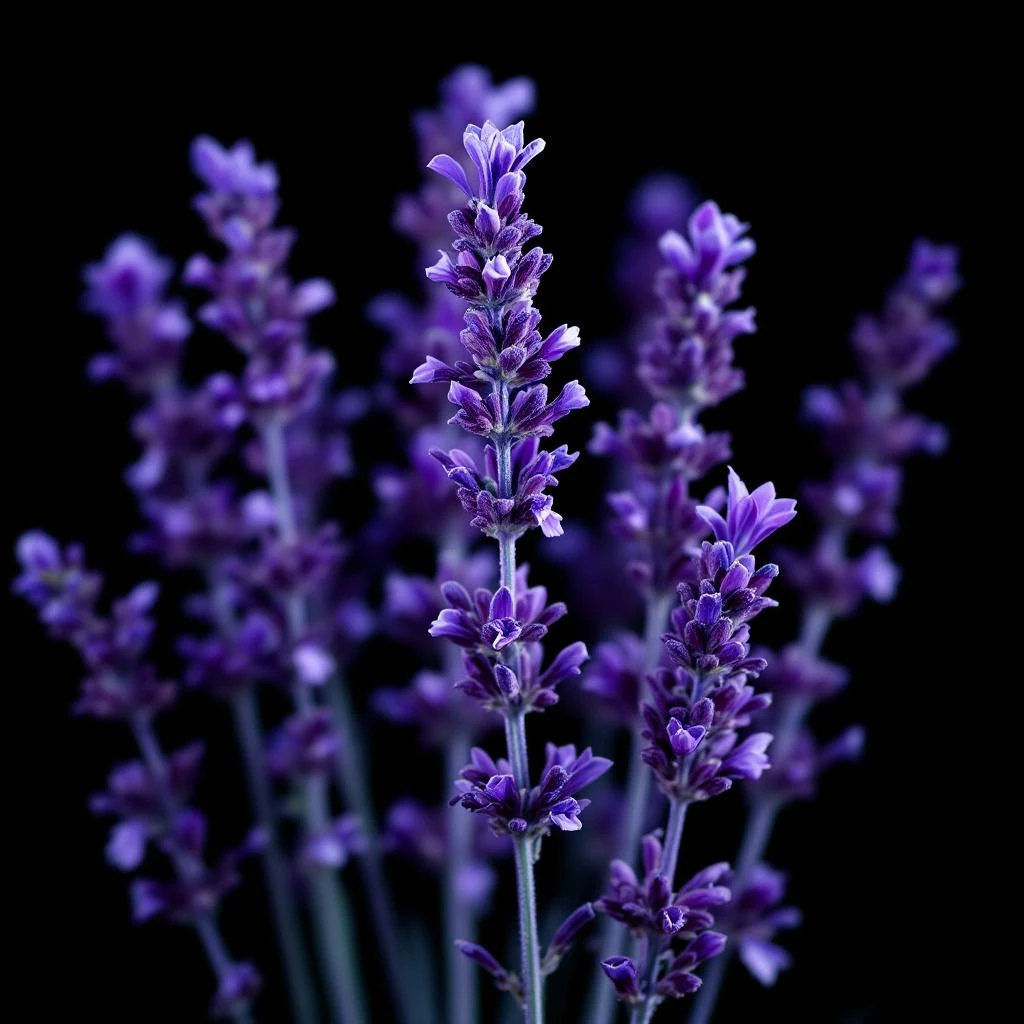
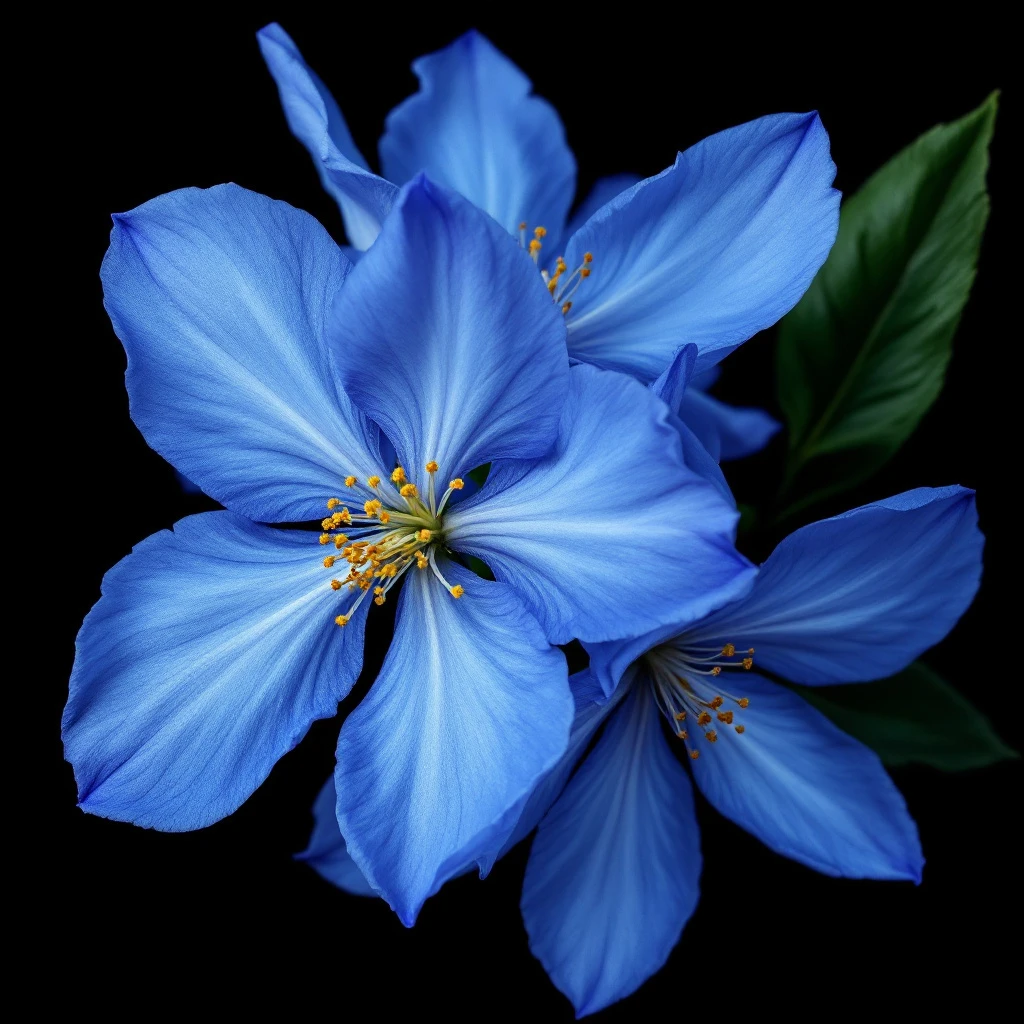
Vinca minor offers a delicate green-floral signature rarely found in perfumery, captured through modern headspace technology rather than traditional extraction. Its subtle, cool blossom character lends a rare freshness to high-end compositions.
Character
How it smells
A rare botanical whisper, recreated through science.
Periwinkle contains vincamine, a compound once used in European folk medicine to support circulation, giving the humble flower an unexpected pharmaceutical legacy.





Origin
France
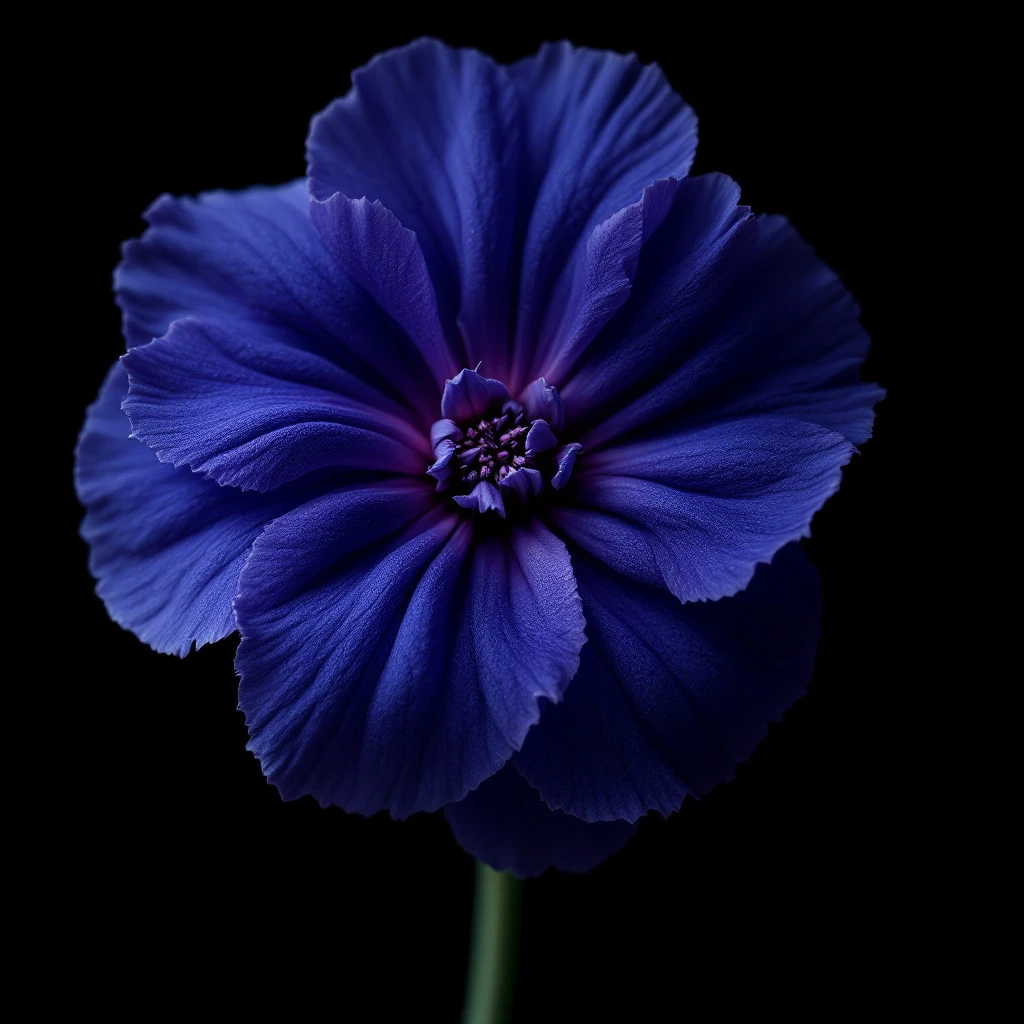
Vinca minor has grown wild across Southern Europe for centuries, trailing along forest floors and Roman garden walls. The ancient Greeks and Romans admired the plant for its hardy nature and delicate blue-purple flowers, weaving it into wreaths for spring celebrations.
European herbalists documented its use in poultices and tonics throughout the medieval period. The flower's symbolic associations shifted over time: medieval Christians linked it to virginity and remembrance, while Victorian flower language assigned it themes of early friendship and sweet memories.
Despite this rich cultural history, periwinkle never became a traditional perfumery material due to its negligible aromatic yield. Only with twentieth-century analytical chemistry did perfumers gain access to its distinctive scent profile, transforming a garden ornamental into a legitimate fragrance ingredient.
Wears it best
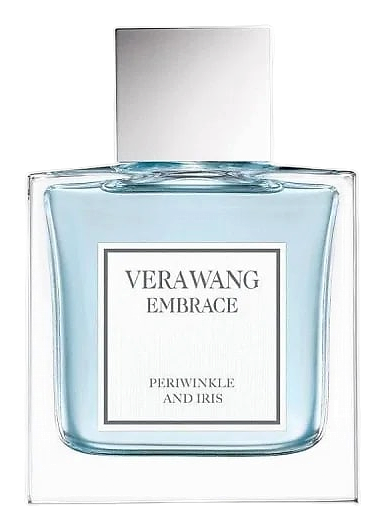
Fragrances featuring Periwinkle
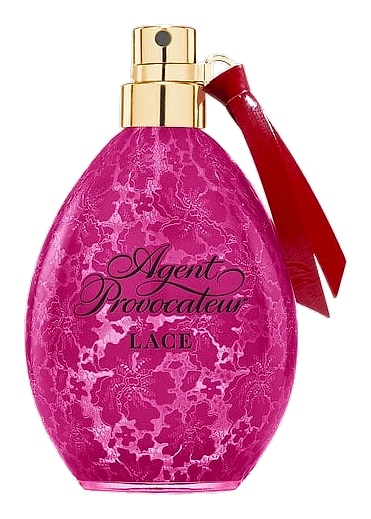
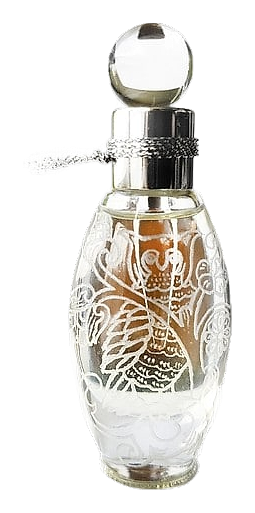
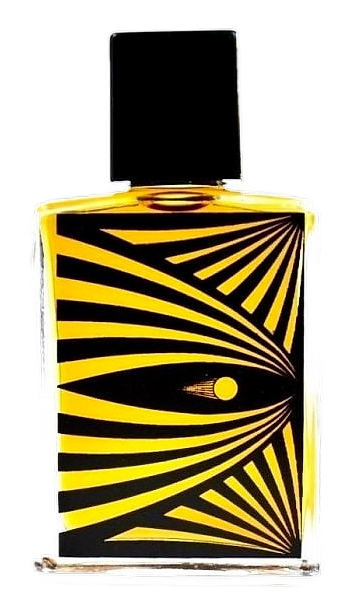
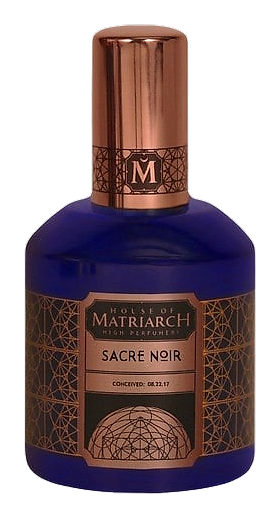
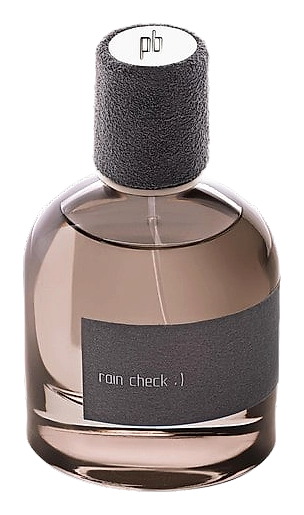
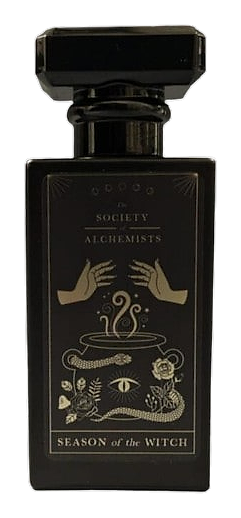
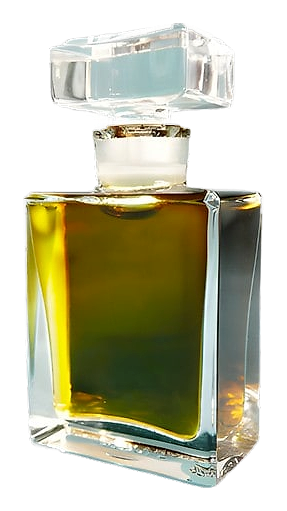
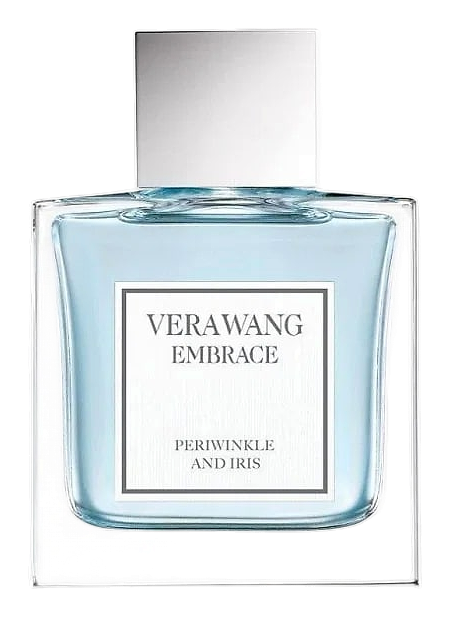
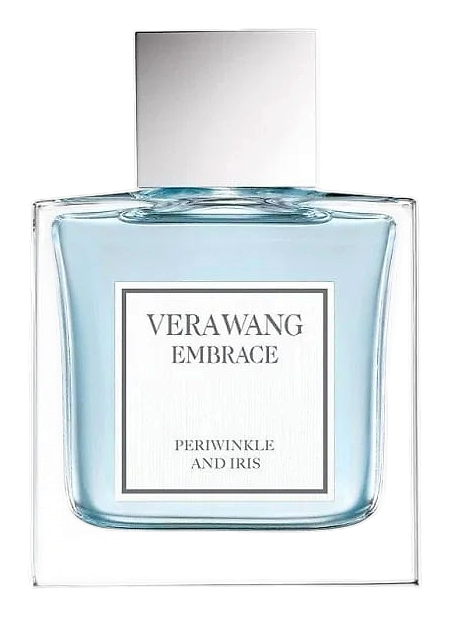


Brands
Brands known for Periwinkle
Good to know
Questions, answered
The essentials on Periwinkle in perfumery: how it smells, where it comes from, and how it behaves on skin.
What does periwinkle smell like in perfumery?
Periwinkle presents a cool green-floral scent with subtle vegetable and fresh grass undertones. It lacks the heavy sweetness of rose or jasmine, offering instead a delicate, slightly cool floral character reminiscent of morning dew on blue petals.
Is natural periwinkle extract used in fragrances?
No. Periwinkle produces negligible aromatic compounds through traditional extraction. Perfumers use headspace technology to analyze the living flower's scent profile and recreate it synthetically.
Which fragrances feature periwinkle as a note?
Periwinkle appears rarely and typically in niche fragrances seeking unusual green-floral effects. It pairs well with galbanum, lily of the valley, and soft musks in contemporary compositions.
Why is periwinkle considered rare in perfumery?
The flower contains insufficient aromatic intensity for steam distillation or solvent extraction. Headspace technology, developed in the late twentieth century, was required before perfumers could access its scent profile.
Does periwinkle have any traditional fragrance uses?
No historical perfumery tradition exists for periwinkle. Its use in fragrance is entirely modern, dating from when analytical chemistry enabled synthetic recreation of botanical scents.
What botanical family does periwinkle belong to?
Vinca minor belongs to the Apocynaceae family, the same botanical group as oleander and plumeria. The plant's alkaloid content distinguishes it from purely aromatic florals.
Can periwinkle cause allergic reactions?
The synthetic recreation used in perfumery avoids the plant's alkaloids, which caused traditional medicinal concerns. However, individual sensitivity to any fragrance material remains possible.
What color is periwinkle in fragrance composition?
In perfumery, periwinkle contributes a cool, bluish-green quality to compositions, adding freshness without the sharp greenness of cuts grass or citrus top notes. It reads as soft and atmospheric rather than bright.