





The Heritage
The Story of Smell Bent
Smell Bent is a boutique perfume house that treats fragrance as a playground rather than a status symbol. The label rolls out limited‑run scents that range from cheeky pop‑culture nods to unexpected scent pairings. Each bottle arrives with a handwritten note that explains the inspiration behind the blend, inviting collectors to explore the story as much as the aroma. By keeping production small and pricing approachable, Smell Bent has cultivated a loyal community of scent enthusiasts who value creativity over hype.
Heritage
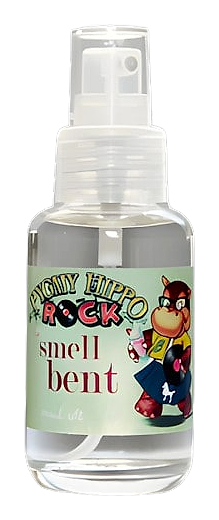
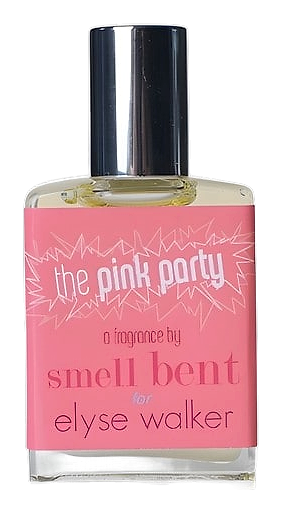
The story of Smell Bent begins with Brent Leonesio, a graphic designer turned fragrance hobbyist who launched the first scent on the web in 2009. Early releases, such as the playful "The Pink Party" (2011) and the tongue‑in‑cheek "St. Tropez Dispenser Gold" (2010), attracted attention on niche forums and indie perfume blogs. In 2010 the brand introduced a series of novelty titles – "Dr. Dreidel" and "Helen Carnate" – that mixed familiar cultural references with unconventional accords. By 2013 the line expanded to include "Pygmy Hippo Rock," a scent that paired earthy woods with a bright citrus spark, demonstrating the house’s willingness to experiment beyond traditional gendered categories. The brand’s catalog grew steadily, adding "Celebrity Garden Party" in 2016, a fragrance that blended garden florals with a hint of celebrity‑glam sparkle. Throughout its evolution, Smell Bent remained independent, refusing outside investment and maintaining production in a modest studio workshop. The company announced a temporary closure in 2023 on a Reddit thread, citing supply‑chain challenges and the founders’ desire to reassess the business model. While the future remains uncertain, the brand’s ten‑year run has left a distinct imprint on the indie perfume scene, proving that small‑scale creativity can thrive alongside larger houses.
Craftsmanship
Production at Smell Bent takes place in a compact studio where the founder mixes, ages, and bottles each batch by hand. The process starts with a brief that outlines the desired mood and reference points, after which the perfumer selects a core of natural extracts, such as bergamot, jasmine, or sandalwood, and pairs them with synthetics that add depth or novelty. Ingredients are sourced from reputable European and Asian suppliers, many of which provide certificates of origin and sustainability. The blends are macerated for a period ranging from two weeks to three months, depending on the complexity of the formula. Quality control involves blind testing by a small panel of trusted reviewers, who evaluate balance, longevity, and projection. Once approved, the perfume is decanted into glass sprayers that feature simple, matte caps. Labels are printed on recycled paper with minimal ink, and each bottle receives a hand‑stamped batch number. The brand limits each release to a few thousand units, allowing the team to monitor inventory closely and reduce waste. By keeping the supply chain short, Smell Bent maintains a direct line of communication with its customers, adjusting formulas quickly based on feedback.
Design Language
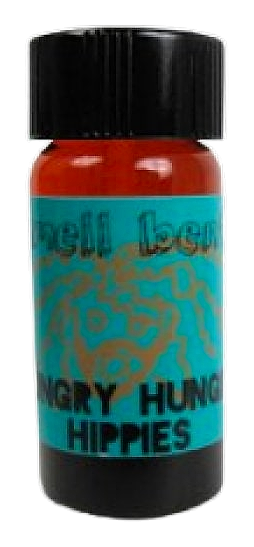
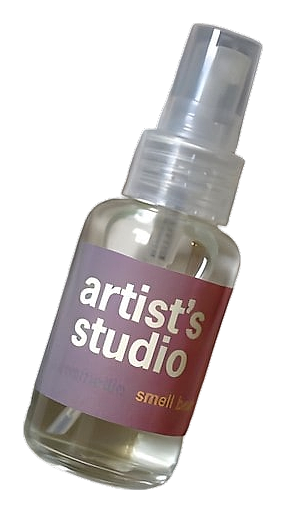
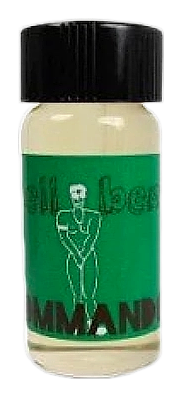
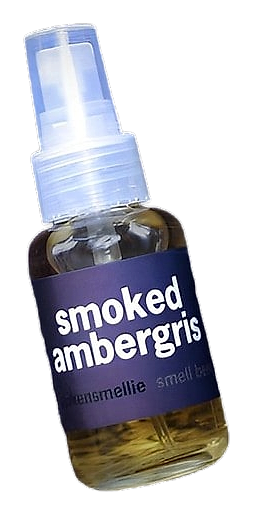
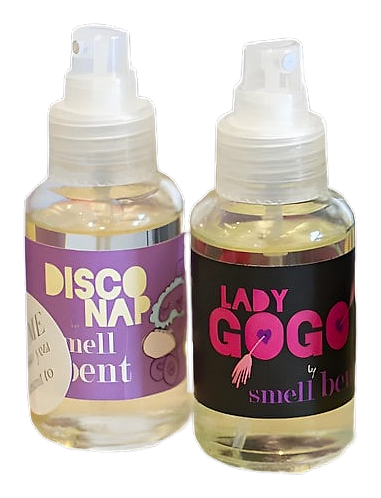
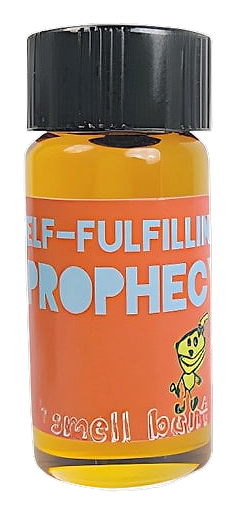
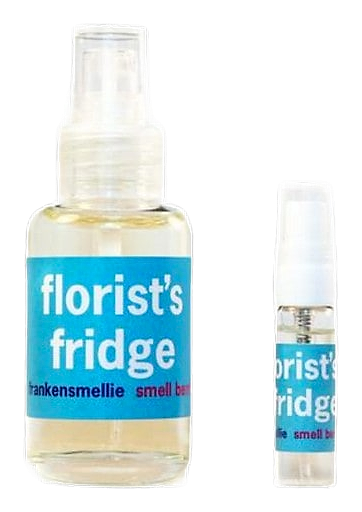
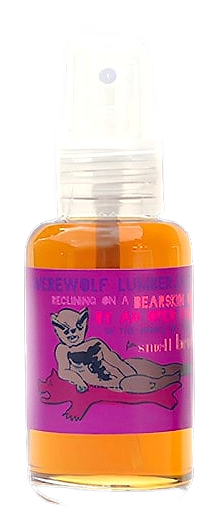
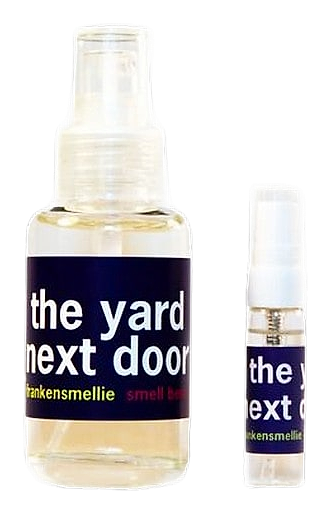
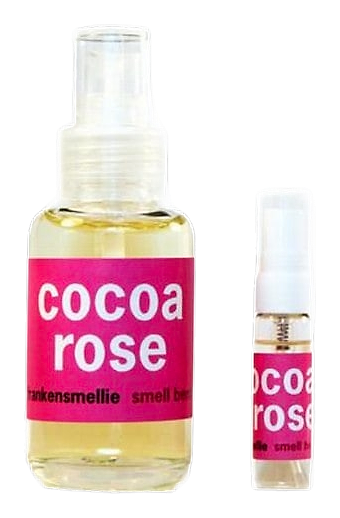
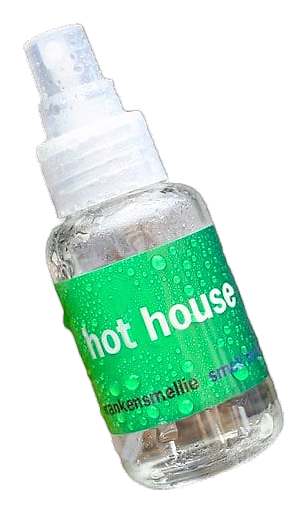
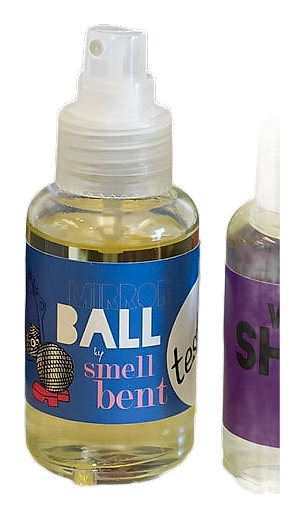
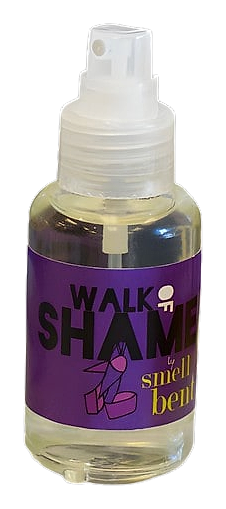
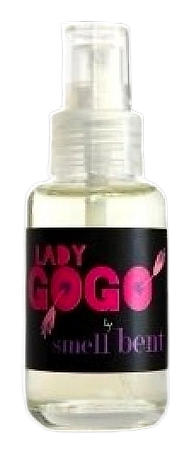
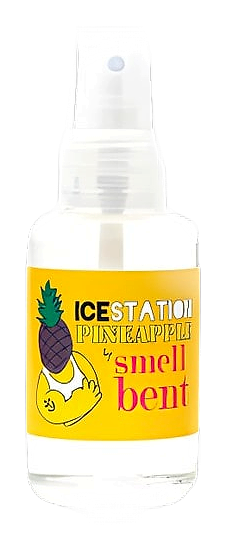
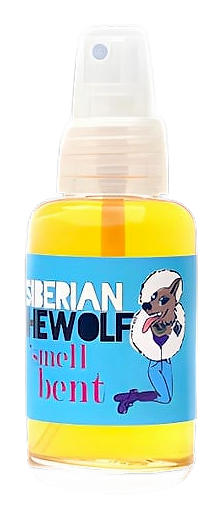
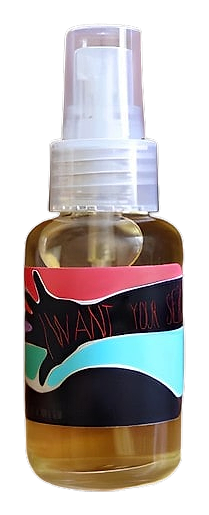
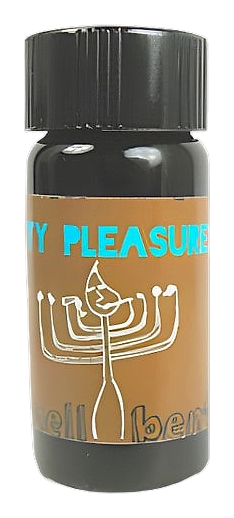
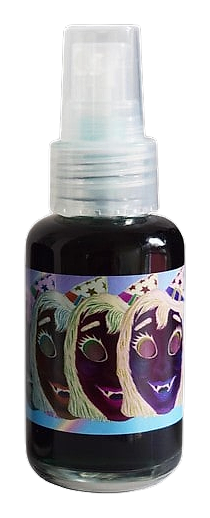
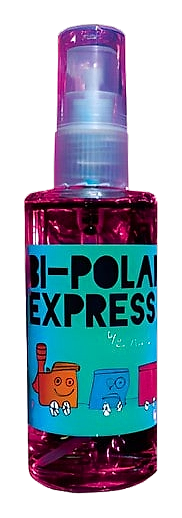
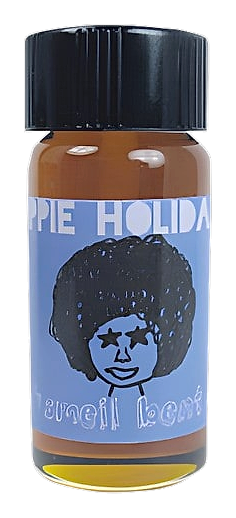
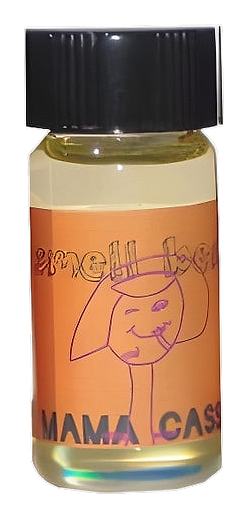
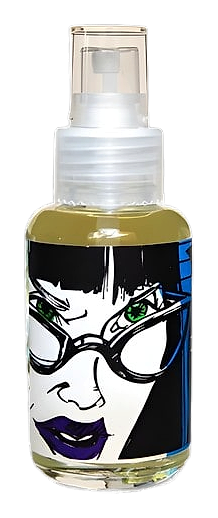
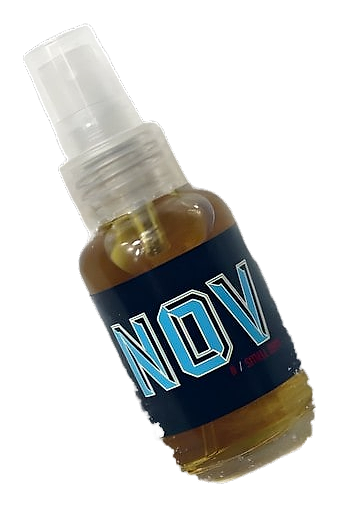
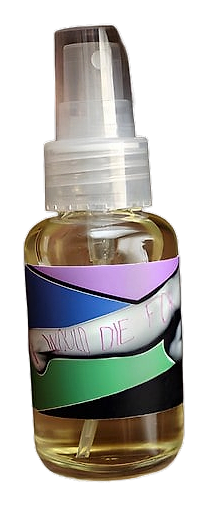
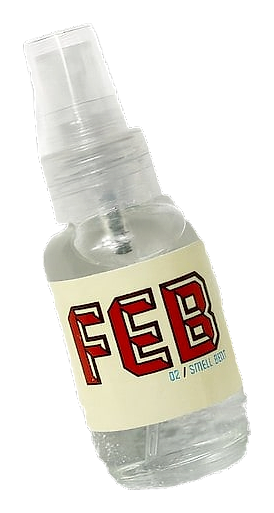
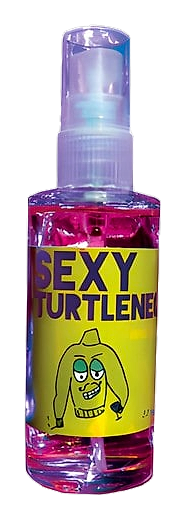
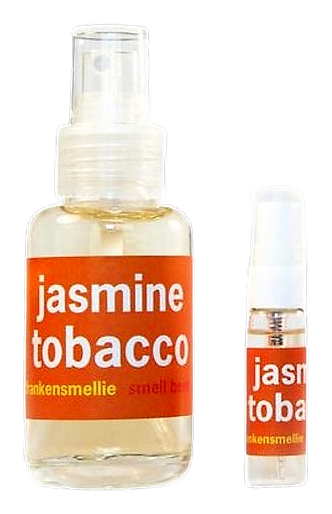
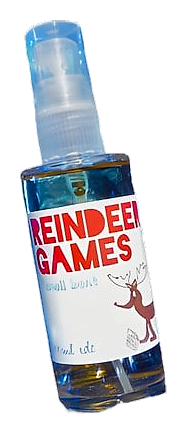
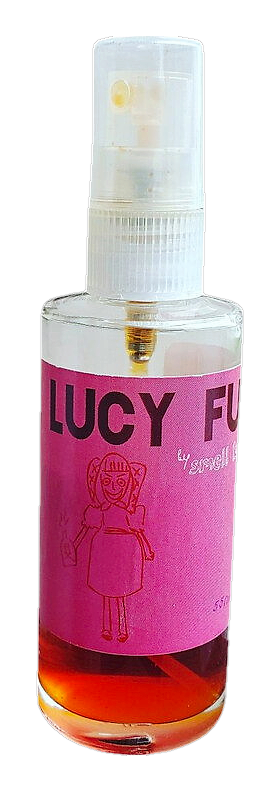
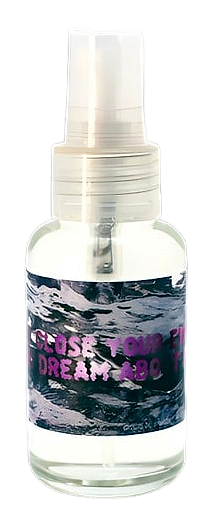
Visually, Smell Bent favors a minimalist yet playful identity. Bottles are clear glass with slim shoulders, allowing the color of the liquid to become the focal point. Caps are often matte black or brushed aluminum, giving a tactile contrast to the smooth bottle. Labels feature hand‑drawn typography that echoes the brand’s DIY roots, and each edition includes a small illustration that hints at the scent’s theme – a pink balloon for "The Pink Party" or a tiny panda for "Little Miss Panda Gets Lei’d." The overall look balances clean lines with quirky details, reinforcing the idea that fragrance can be both sophisticated and fun. Marketing materials avoid glossy perfection; instead, they showcase candid photos of the studio, ingredient sketches, and handwritten notes. This aesthetic aligns with the brand’s emphasis on authenticity and makes the products feel like a personal gift rather than a mass‑produced commodity.
Philosophy
Smell Bent approaches perfumery as a conversation between scent and story. The founders believe that a fragrance should spark curiosity, not just linger on the skin. To that end, each launch is anchored in a specific narrative – a party, a holiday, or a whimsical character – and the scent composition mirrors that tale. The brand values transparency, often sharing ingredient lists and the creative brief on its website. Sustainability also guides decisions; the house sources many raw materials from certified suppliers and prefers recyclable packaging. Rather than chasing trends, Smell Bent aims to capture moments that feel personal and unexpected, encouraging wearers to associate scent with memory and humor. This philosophy resonates with a community that appreciates authenticity and the joy of discovering something new in a crowded market.
Key Milestones
2009
First fragrance released online, marking the launch of Smell Bent.
2010
Release of "St. Tropez Dispenser Gold" and "Dr. Dreidel," establishing the brand's novelty‑driven approach.
2011
"The Pink Party" debuts, gaining attention on indie perfume forums.
2013
"Pygmy Hippo Rock" launches, showcasing the house's willingness to blend unconventional accords.
2016
"Celebrity Garden Party" adds a garden‑floral concept to the catalog.
2023
Founders announce a temporary closure on Reddit, citing supply‑chain issues and a strategic pause.
At a Glance
Brand profile snapshot
Origin
United States (reported)
Founded
2009
Heritage
17
Years active
Collection
4
Fragrances released
Avg Rating
4.2
Community sentiment
Release Rhythm


