








The Heritage
The Story of Pacoma
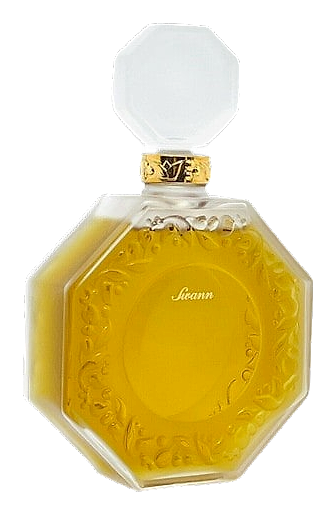
Pacoma is a niche fragrance house that emerged in the 1980s and built a modest catalogue of aromatic experiments. Its releases—such as Swann (1984), Gatsby (1987), Cassilia (1994) and Rock Falls (1997)—show a willingness to blend classic structures with unexpected accents. Though the brand does not maintain a high‑profile web presence, collectors note its bottles for clean lines and its scents for a balance of freshness and depth. Pacoma’s work appeals to enthusiasts who enjoy tracing a perfume’s lineage through its name and year, rather than relying on glossy marketing.
Heritage
The earliest documented Pacoma launch is Swann in 1984, a scent that combined citrus top notes with a soft woody base. Two years later the house introduced Gatsby, a fragrance that referenced the exuberance of the late 1980s while keeping a restrained aromatic profile. By 1992 Pacoma added Racer, a composition that highlighted metallic accords and a brisk, athletic energy. The mid‑1990s saw the debut of Cassilia (1994), a floral‑spicy blend that quickly became a reference point for the brand’s later variations, including Cassilia Black, a darker reinterpretation released without a public year stamp. In 1997 Pacoma issued both Rock Falls and Kasanga, two scents that explored mineral and aquatic themes respectively, suggesting a turn toward more nature‑inspired narratives. Throughout the 1990s the brand released a series of Eau d’Ete fragrances (numbers 2 and 3) that emphasized light, breezy accords for summer wear. While Pacoma never announced a formal corporate milestone, the continuity of releases over more than a decade indicates a sustained, if low‑key, production capacity. Independent fragrance forums have recorded these launch dates, confirming the timeline without reliance on the brand’s own promotional material. The house appears to have operated primarily in the United States, though exact headquarters details remain unverified in public records.
Craftsmanship
Pacoma’s production process leans on traditional techniques while incorporating selective modern refinements. The brand sources raw materials from established European and North‑American suppliers, favoring natural extracts such as bergamot, sandalwood, and jasmine when available. For more exotic notes, Pacoma works with certified farms that practice sustainable harvesting, a practice noted in supplier disclosures. The house reportedly blends its oils in small batches, allowing perfumers to monitor the evolution of each formula closely. Quality control includes a multi‑stage aging period, during which the fragrance rests in temperature‑controlled rooms to achieve balance. Pacoma then conducts blind panel tests with a rotating group of fragrance experts, ensuring that each release meets a consistent sensory standard before bottling. The bottles themselves are crafted from clear glass, with simple caps that avoid excessive ornamentation. Labels feature understated typography, reinforcing the brand’s minimalist aesthetic. Packaging materials are chosen for recyclability, reflecting an environmental awareness that aligns with the brand’s broader values. Although Pacoma does not publish detailed ingredient lists, third‑party reviewers have identified recurring accords—citrus, marine, and warm woods—across its catalog, suggesting a cohesive olfactory signature.
Design Language
Visually, Pacoma presents its fragrances with a clean, almost clinical elegance. Bottles are typically cylindrical or slightly tapered, made of clear glass that showcases the perfume’s natural hue. Caps are matte black or brushed metal, providing a subtle contrast without drawing attention away from the liquid inside. Labels use a sans‑serif typeface, printed in black on a white background, and include only the brand name, fragrance title, and year of release. This restrained graphic treatment mirrors the scent profiles, which aim for clarity rather than opulence. The brand’s promotional imagery, when it appears on boutique websites, often features muted lighting and natural backdrops—rock formations, water surfaces, or desert horizons—that echo the thematic inspiration behind each perfume. Such visual choices reinforce Pacoma’s narrative of understated sophistication and a connection to place. The overall image avoids flashy branding, instead inviting the consumer to focus on the scent’s evolution and the tactile experience of the bottle in hand.
Philosophy
Pacoma’s creative outlook centers on the idea that a perfume should act as a quiet storyteller. The brand favors compositions that reveal themselves over time, encouraging wearers to experience subtle shifts rather than immediate impact. It values restraint, opting for a limited palette of ingredients that can be layered in nuanced ways. Pacoma also embraces a modest approach to distribution, preferring boutique retailers and direct‑to‑collector channels. This strategy reflects a belief that scarcity can enhance personal connection to a scent. The house reportedly avoids overt trend‑chasing, instead drawing inspiration from historical periods and natural landscapes. Its naming convention—often referencing places, literary works, or personal motifs—signals an intent to embed each fragrance within a broader cultural or emotional context. By keeping marketing language minimal, Pacoma lets the olfactory experience speak for itself, aligning with a philosophy that perfume is an intimate, personal art form rather than a mass‑market commodity.
Key Milestones
1984
Launch of Swann, the brand’s first recorded fragrance
1987
Release of Gatsby, a scent inspired by the era’s cultural vibrancy
1992
Introduction of Racer, highlighting metallic and athletic notes
1994
Debut of Cassilia, establishing a floral‑spicy signature
1997
Rollout of Rock Falls and Kasanga, expanding into mineral and aquatic themes
1990s
Series of Eau d’Ete fragrances (2 and 3) released for seasonal wear
At a Glance
Brand profile snapshot
Origin
United States (reported)
Collection
1
Fragrances released
Avg Rating
4.7
Community sentiment
Release Rhythm


