Blue Jasmine
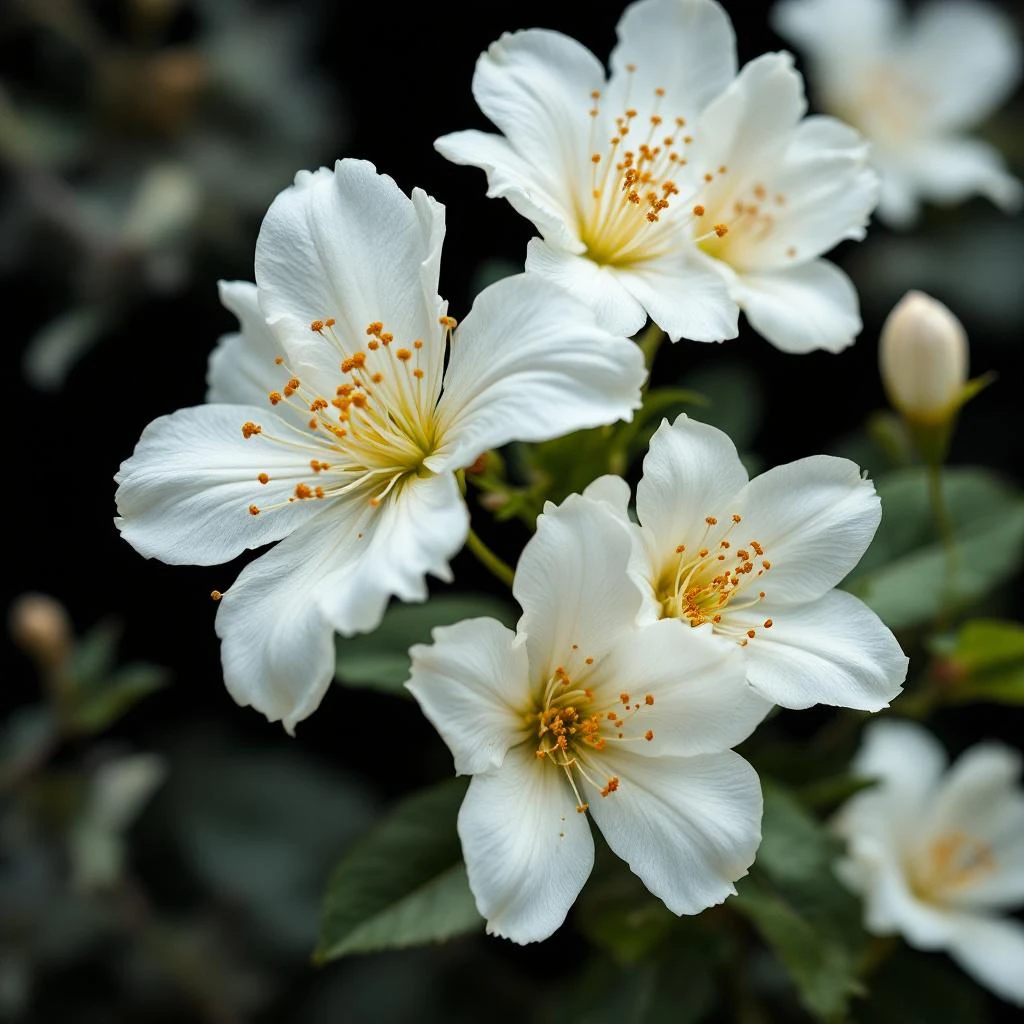
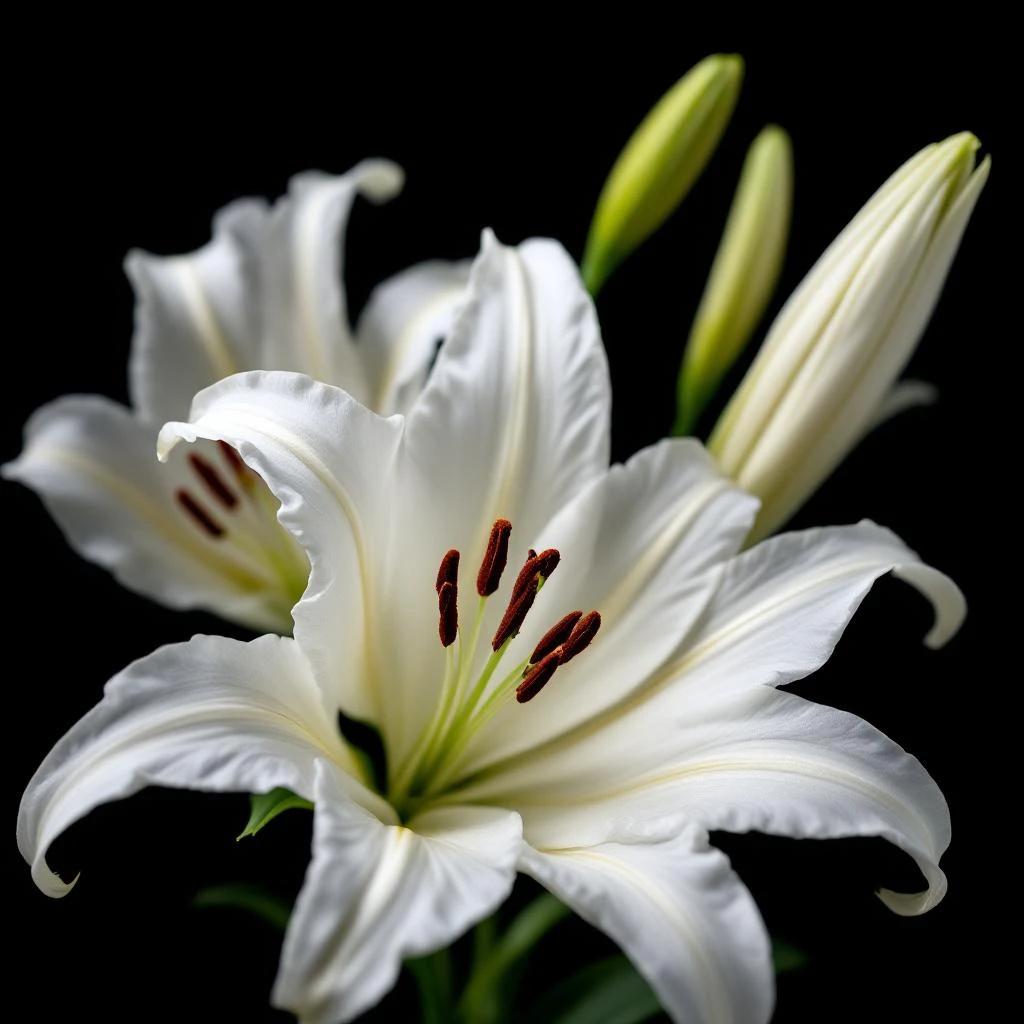
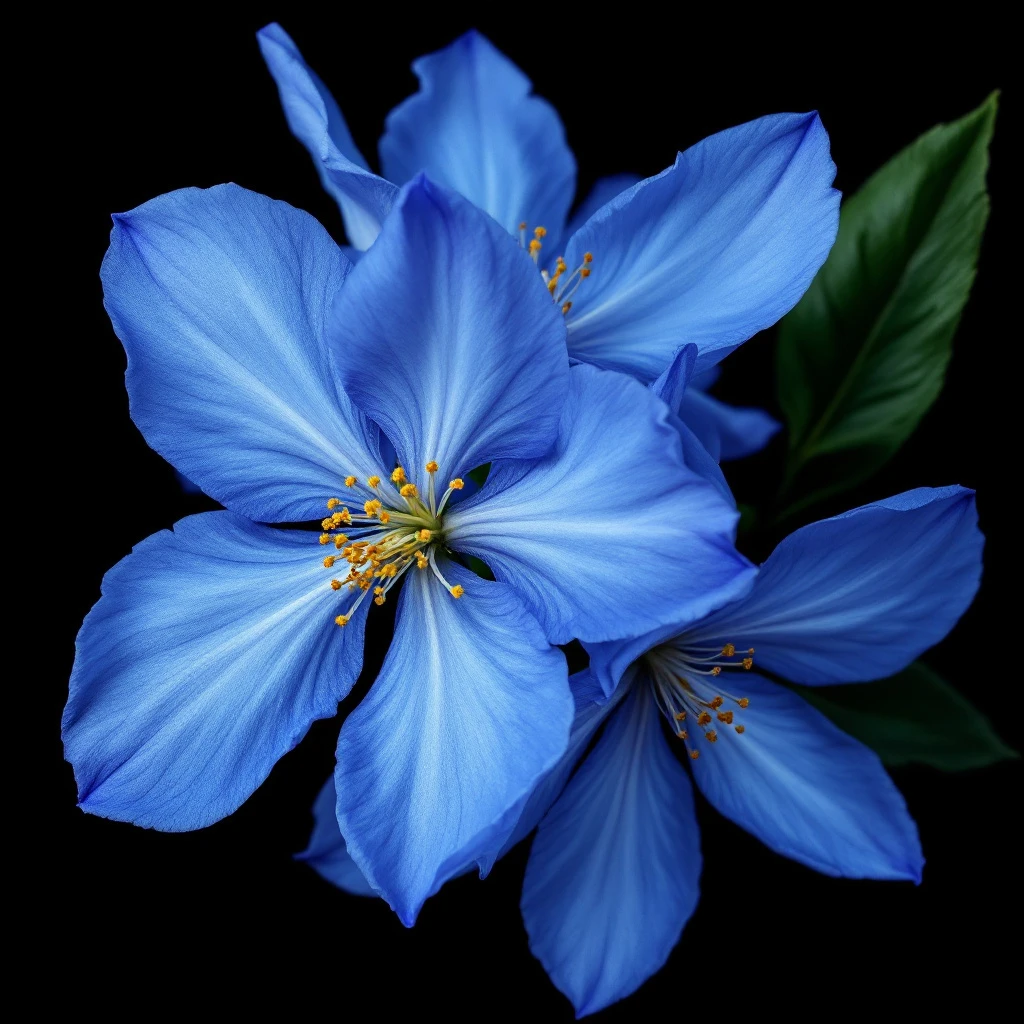
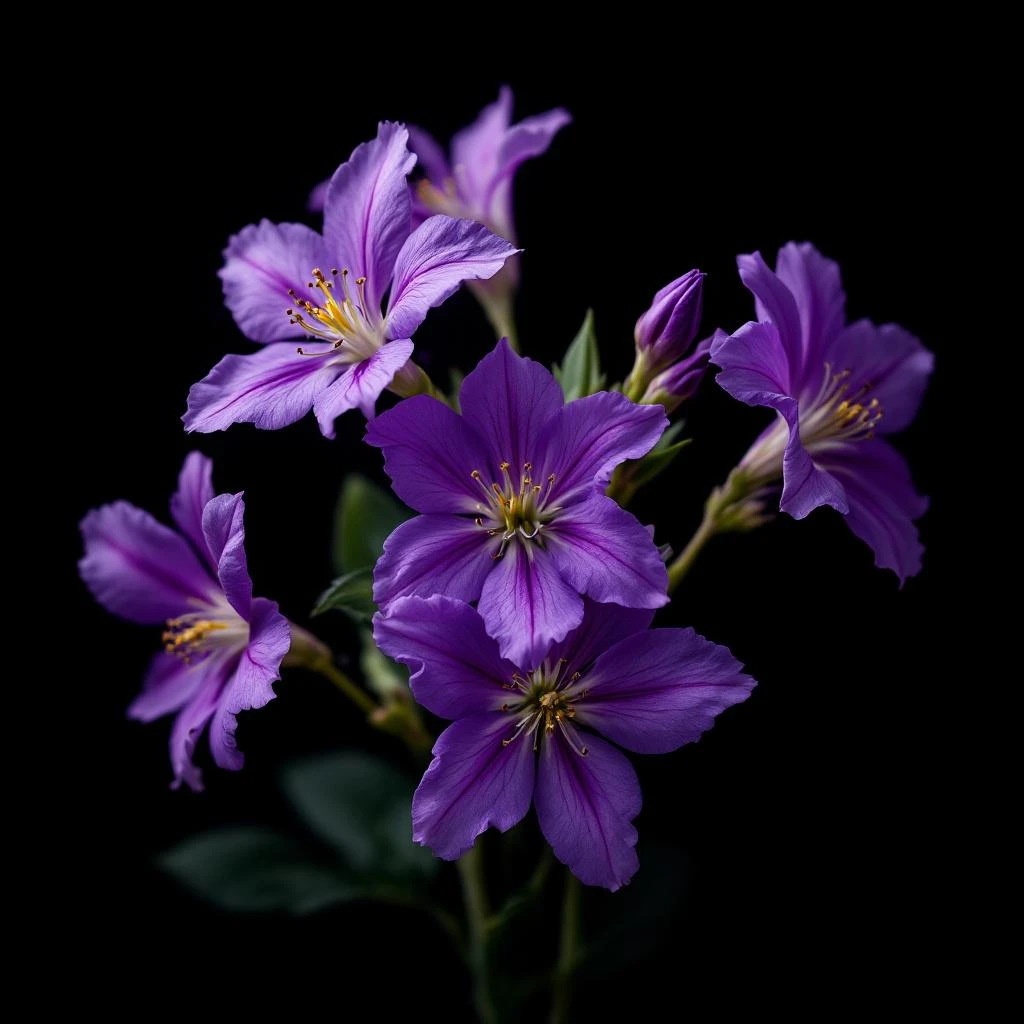
Blue Jasmine captures the cool, crystalline expression of jasmine's timeless floral beauty. Where classic jasmine radiates warmth, this note unfolds with an ethereal freshness, like morning light through translucent petals. It is jasmine reimagined through an aquatic lens.
Character
How it smells
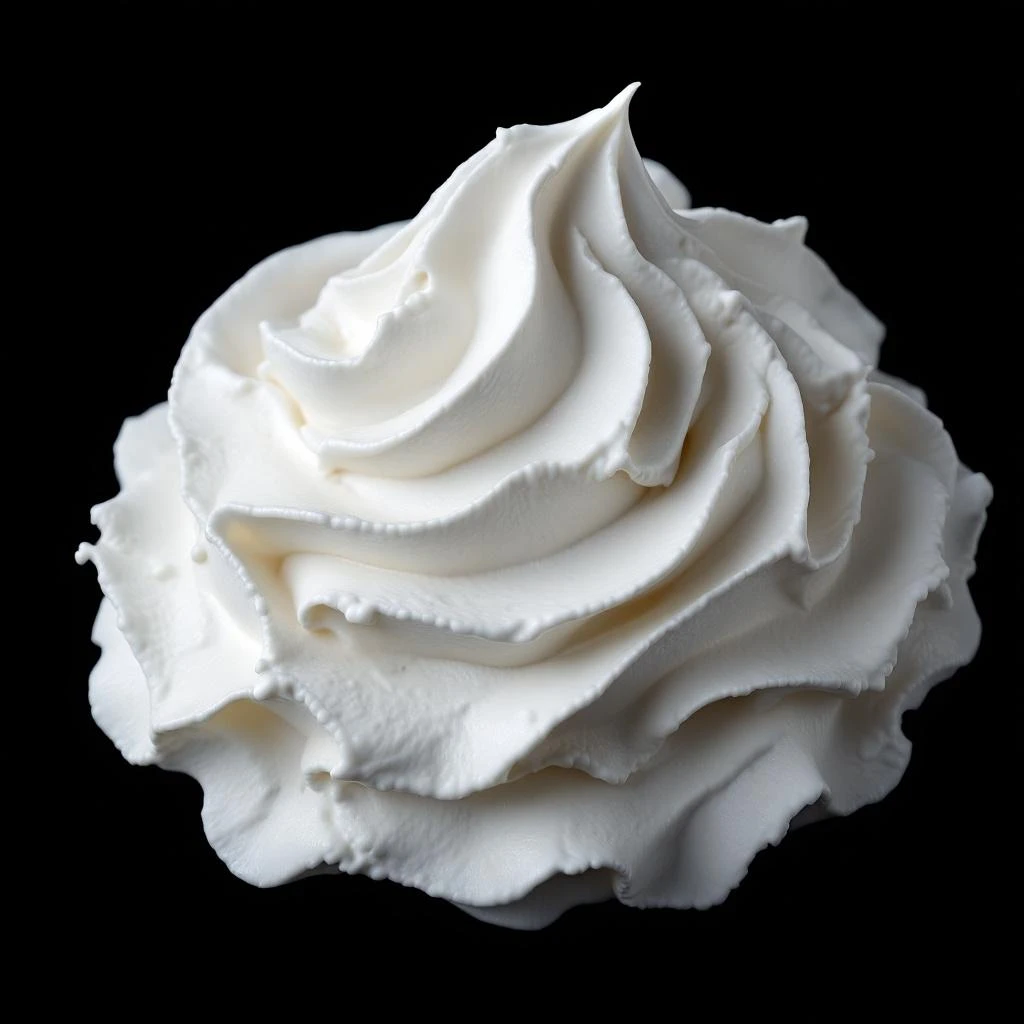
Jasmine through morning mist.
It takes roughly 8 million jasmine flowers to produce just one kilogram of absolute, each blossom harvested before dawn.



Origin
India
Jasmine originated in India and traveled westward through ancient trade routes. Arabs introduced it to Spain in the 16th century, and the Moors brought it further into Southern Europe during the 1600s.
From Spain, jasmine cultivation spread to Italy and then to Grasse, France, where it became the cornerstone of French perfumery. Two primary species dominate commercial production: Jasminum grandiflorum, named for its larger flowers, and Jasminum sambac.
While France once led global production, Egypt, India, and Morocco now supply the majority of the world's jasmine. Despite this geographic shift, jasmine remains one of perfumery's most treasured ingredients, a floral anchor that has shaped scent creation for centuries.
Wears it best
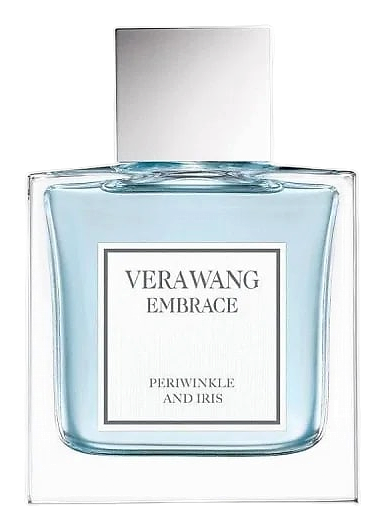
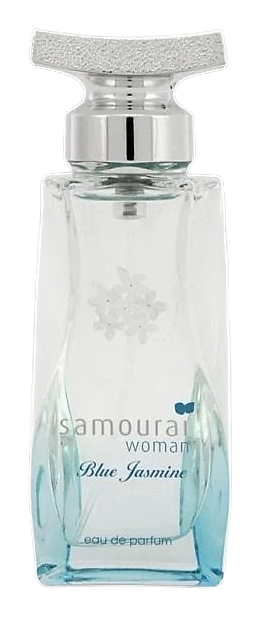
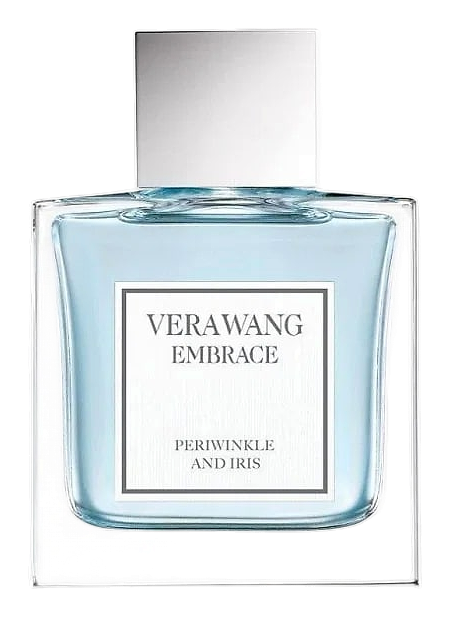
Fragrances featuring Blue Jasmine
Good to know
Questions, answered
The essentials on Blue Jasmine in perfumery: how it smells, where it comes from, and how it behaves on skin.
Where does jasmine grow today?
Jasmine is grown for perfumery primarily in Egypt, India, and Morocco. Egypt alone produces roughly 60% of global supply at around 2,500 tonnes annually. While originally from India, cultivation spread centuries ago to France, Spain, and North Africa.
What is jasmine absolute versus essential oil?
Jasmine absolute comes from the flowers and is extracted using solvents, producing a highly concentrated aromatic. Jasmine essential oil, less common, is typically steam-distilled from the roots and rootlets. The absolute is preferred for fine perfumery due to its superior scent fidelity.
Why is jasmine so expensive?
Jasmine requires hand-harvesting at precisely the right moment. Each flower must be picked individually, and roughly 8 million blossoms are needed to produce a single kilogram of absolute. The labor intensity, combined with low yields, makes jasmine one of costlier natural ingredients.
What does blue jasmine smell like?
Blue jasmine carries jasmine's characteristic floral sweetness while introducing cool, translucent qualities. The "blue" descriptor suggests a fresher, more aquatic expression that feels lighter and more crystalline than warm, indolic jasmine interpretations.
What two jasmine species are used in perfumery?
The industry relies on Jasminum grandiflorum, named for its larger flowers, and Jasminum sambac. Grandiflorum dominates premium perfumery while sambac appears more frequently in traditional attars and Asian incense traditions.
How is jasmine extracted efficiently?
Modern production uses solvent extraction. Flowers are bathed in food-grade solvent, which dissolves aromatic compounds. After filtering, the solvent is removed under vacuum, leaving behind the aromatic concrete that is further processed into absolute.
Can jasmine be steam distilled?
Jasmine flowers are too thermally sensitive for steam distillation; the heat destroys their aromatic molecules. Solvent extraction solves this problem. Only the roots and rootlets are steam-distilled for essential oil, and this oil differs significantly from jasmine absolute.
What should I look for when buying jasmine products?
Seek actual jasmine absolute from reputable suppliers. Verify the botanical name (Jasminum grandiflorum or Jasminum sambac) and extraction method. Avoid products labeled simply "jasmine oil" without specification, as these may contain synthetic fragrance compounds rather than genuine extract.