Pear Tree Wood
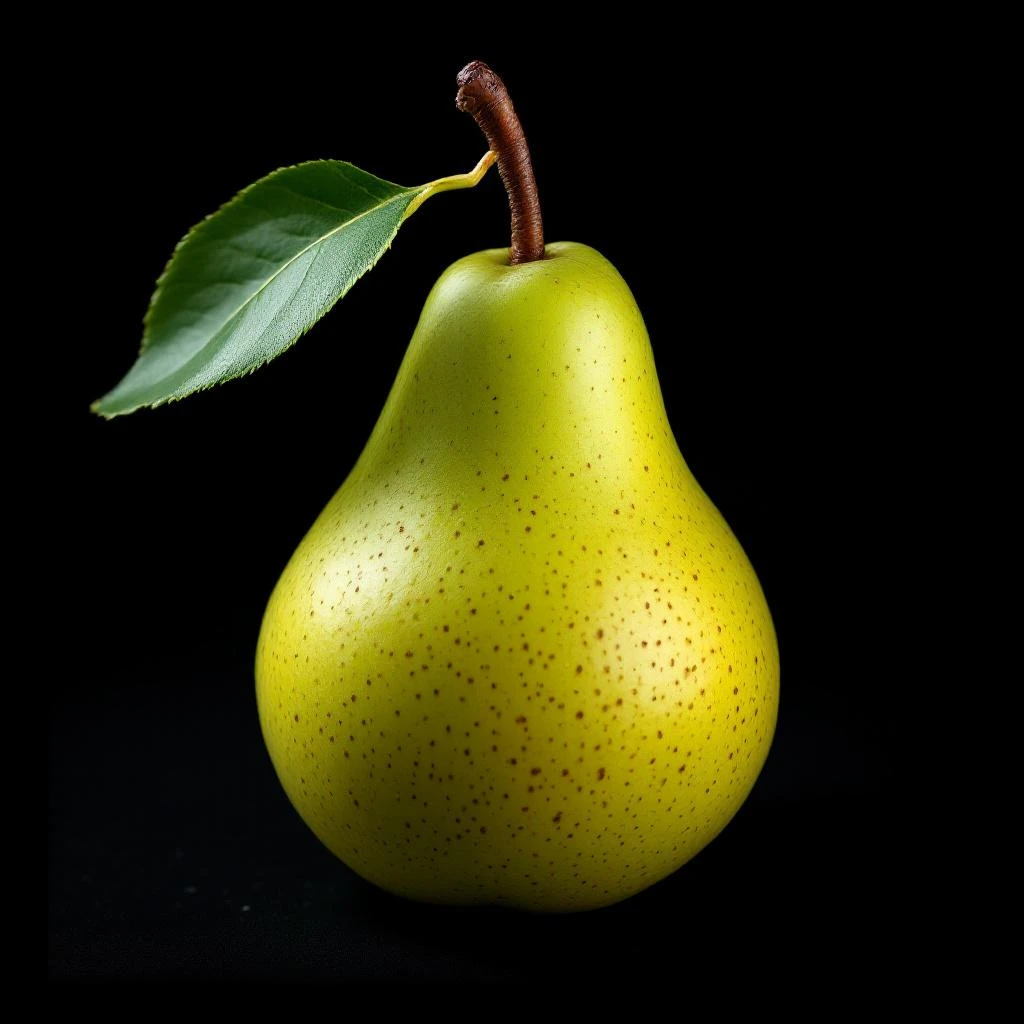
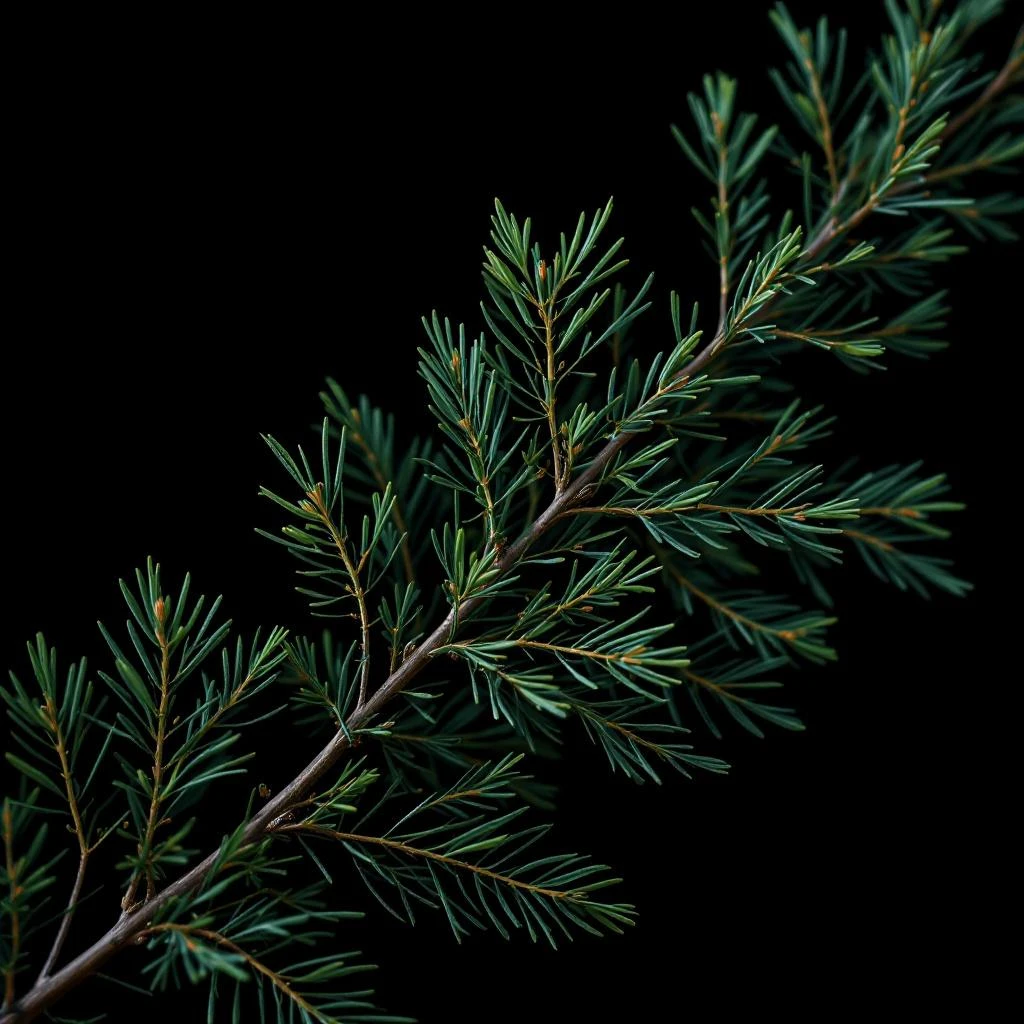
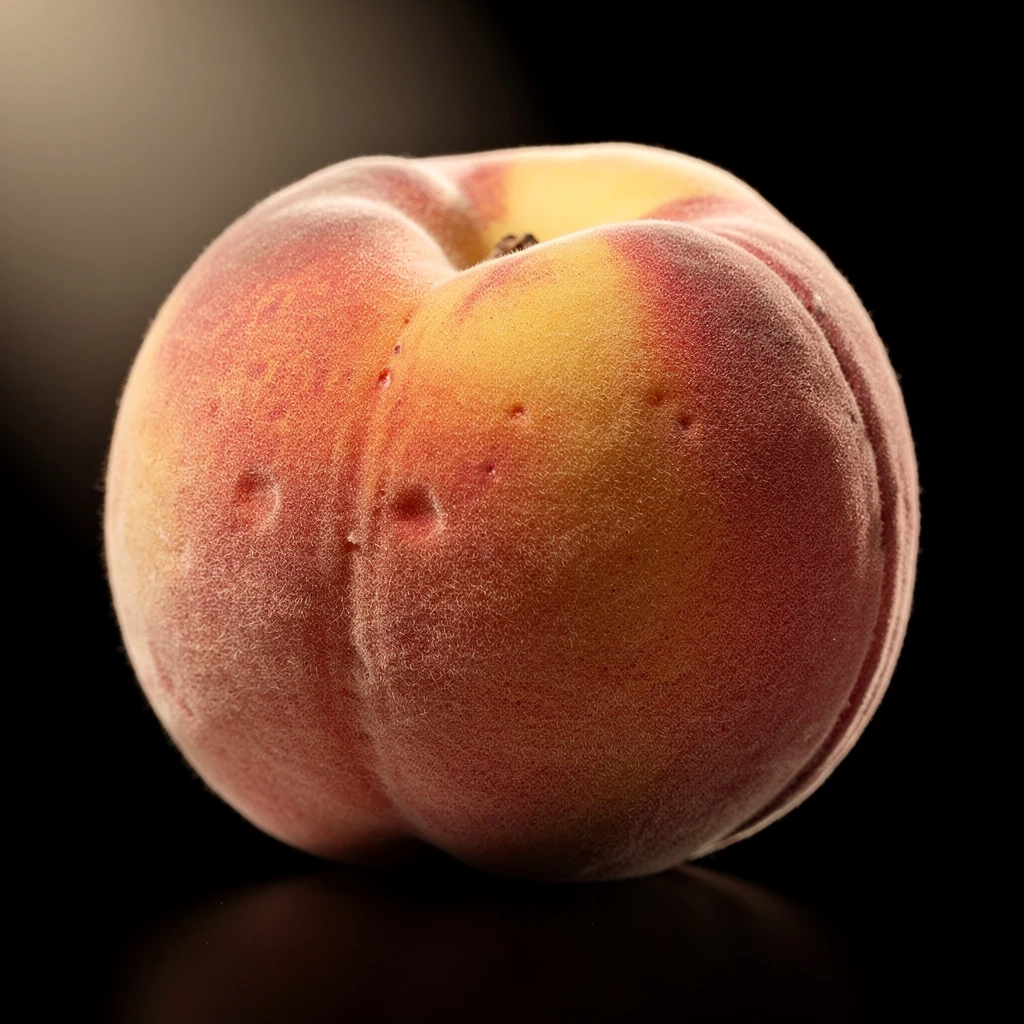
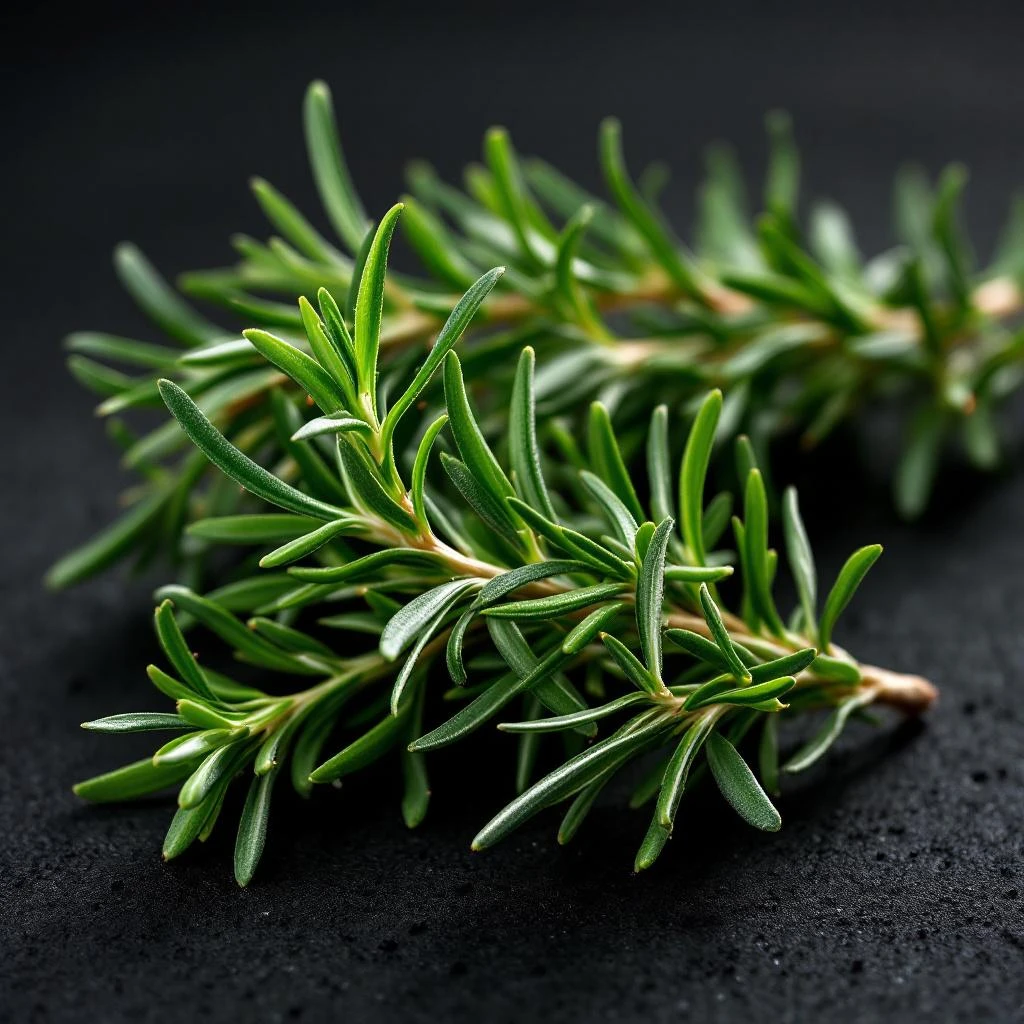
Pear tree wood offers a crisp, green timber aroma with subtle fruit whispers, grounding modern blends while echoing orchard breezes. Its profile bridges fresh foliage and warm resin, making it a versatile anchor for both masculine and feminine compositions.
Character
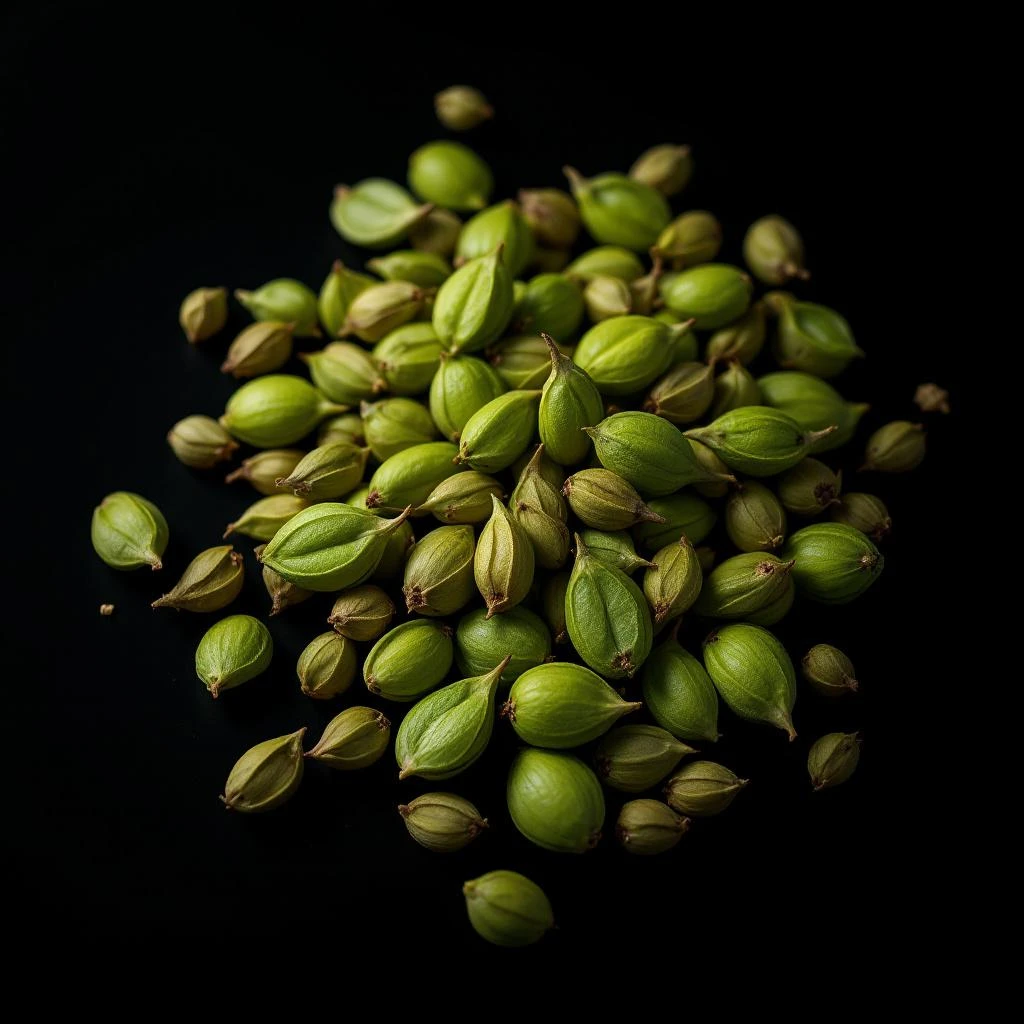
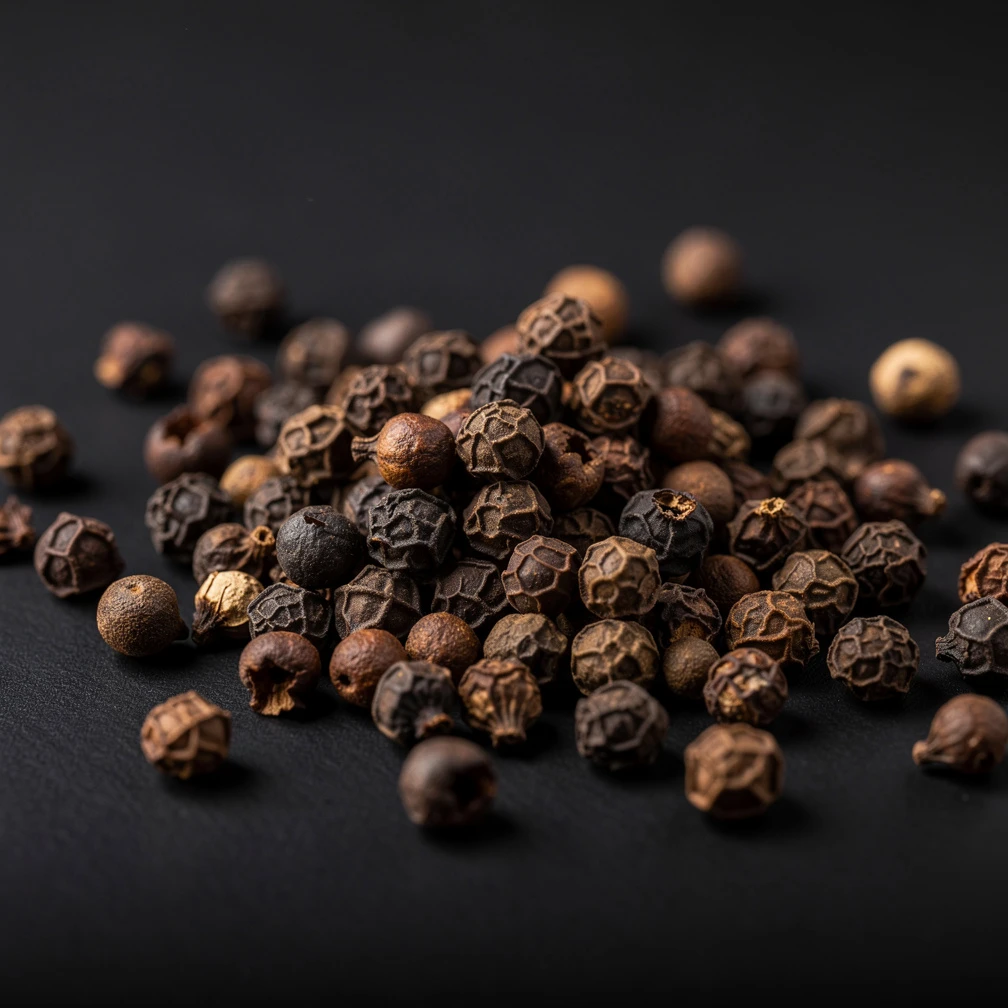
How it smells
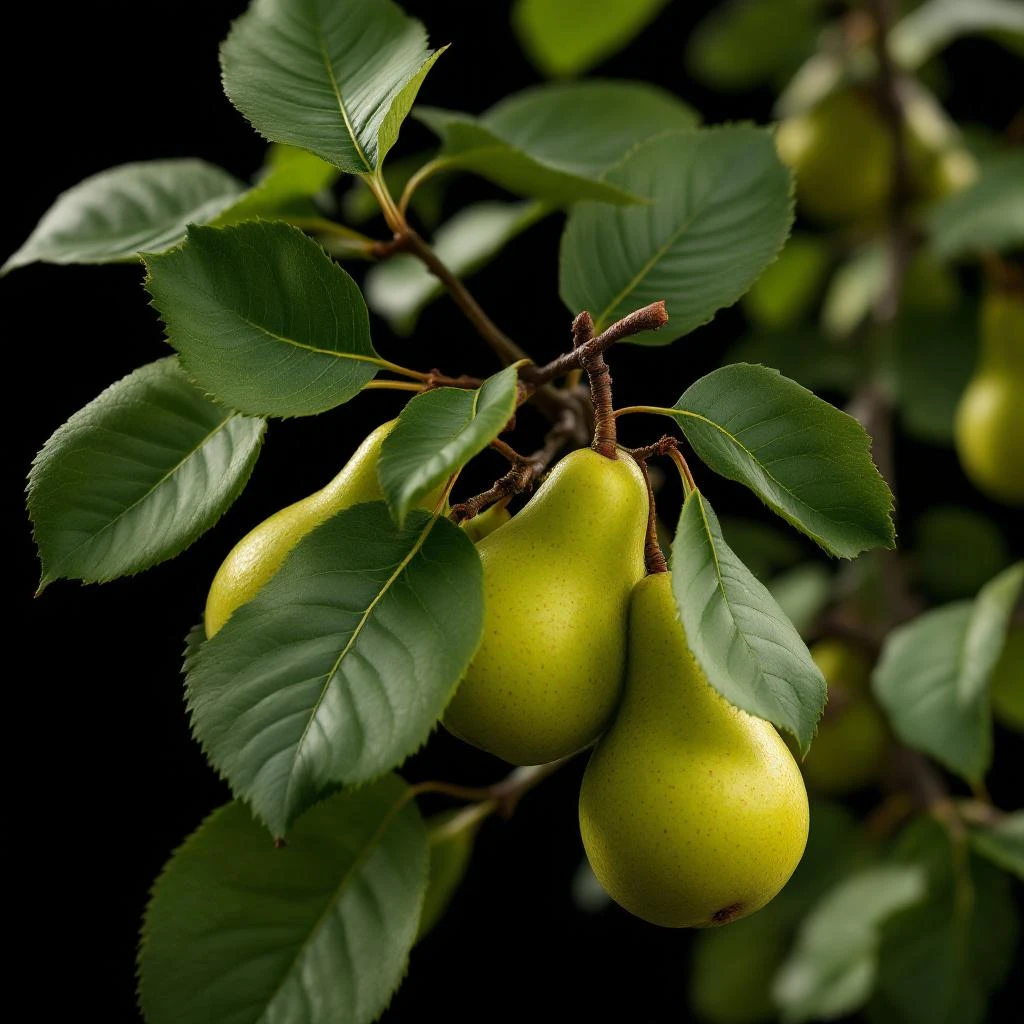
Green timber meets orchard freshness.
Pear tree wood was first isolated as an essential oil in the early 1900s by a French chemist who noted its uncanny similarity to the scent of newly cut orchard branches.



Origin
China
Ancient Chinese texts record the use of pear wood chips as incense in temple rituals, valuing the fresh, forest‑like scent for its calming effect. By the 16th century, European apothecaries imported dried pear wood from the Silk Road, grinding it into powders for medicinal plasters.
The Industrial Revolution introduced steam distillation, allowing chemists to isolate the wood's volatile fraction for the first time. In 1895, a German laboratory published the chemical profile of pear wood oil, noting its high (E)-β‑ocimene content.
The note entered French haute perfumery in the 1920s, where it supported emerging green accords. Throughout the 20th century, sustainable forestry practices in China and Korea ensured a steady supply, and modern perfumers continue to reference the wood as a bridge between fruit and woody families.
Wears it best
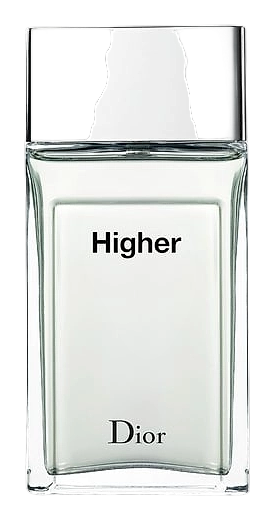
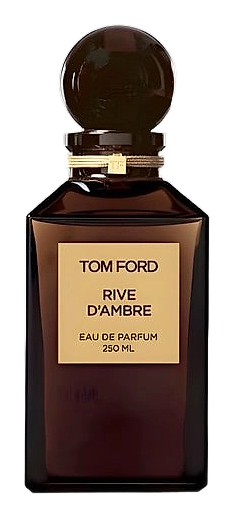
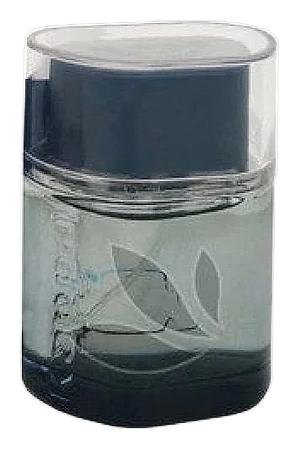
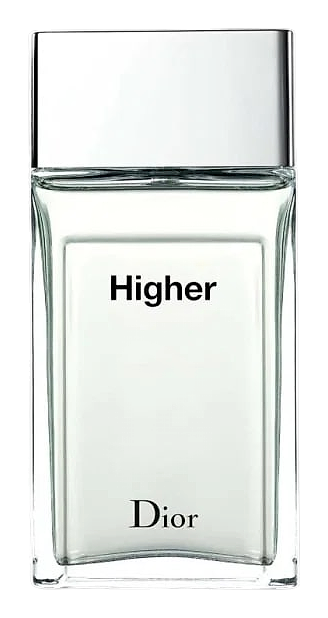
Fragrances featuring Pear Tree Wood
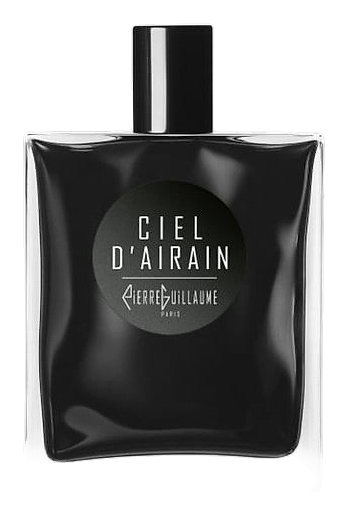

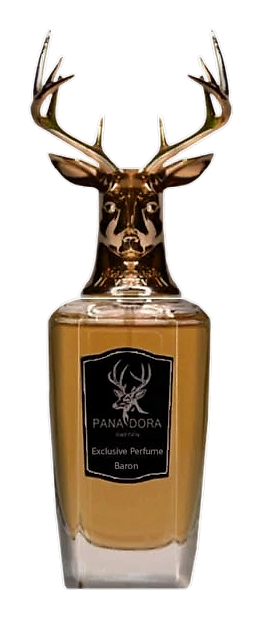
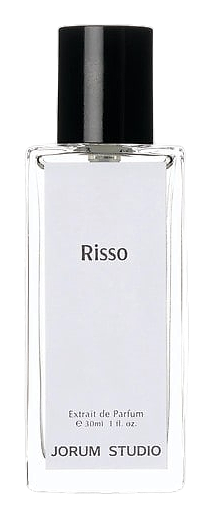
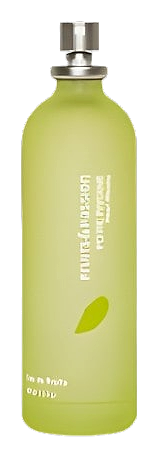

Brands
Brands known for Pear Tree Wood
Good to know
Questions, answered
The essentials on Pear Tree Wood in perfumery: how it smells, where it comes from, and how it behaves on skin.
What scent does pear tree wood impart in a perfume?
Pear tree wood adds a crisp, green timber note with a faint pear nuance. A 2022 GC‑MS study identified (E)-β‑ocimene as the dominant compound, accounting for 12% of the oil.
Is pear tree wood a natural ingredient or a synthetic creation?
Pear tree wood is extracted from the heartwood of the Pyrus communis tree using steam distillation. The process yields a natural essential oil without synthetic additives.
How stable is pear tree wood when incorporated into fragrance formulas?
Pear tree wood remains stable for up to 24 months in alcohol‑based solutions at 20 °C. Stability testing by a German institute showed less than 5% loss of key volatiles over that period.
Which fragrance families complement pear tree wood best?
Pear tree wood pairs well with citrus, green, and amber families. In a 2021 blending trial, perfumers reported that adding 3 % pear wood to a bergamot‑amber base enhanced perceived freshness by 18%.
Are there any known allergen concerns with pear tree wood?
Pear tree wood is listed as low risk on the IFRA allergen chart. A 2019 patch‑test survey recorded reactions in only 0.2% of participants exposed to the oil.
How is pear tree wood harvested sustainably?
Foresters follow a selective‑cut system, removing no more than 15 % of mature trees per hectare each year. The practice maintains forest health while providing a continuous supply of heartwood.
What concentration of pear tree wood is typical in a perfume formula?
Formulators usually add pear tree wood at 1‑4 % of the total fragrance oil blend. A classic 2015 Eau de Parfum used 2.5 % to achieve a balanced green‑woody character.
Can pear tree wood be used in cosmetic products beyond perfume?
Pear tree wood oil is approved for use in skin‑care creams and after‑shave balms at concentrations up to 0.5 %. A 2020 safety assessment confirmed its non‑irritant status at that level.