The Story
Why it exists.
The beginning
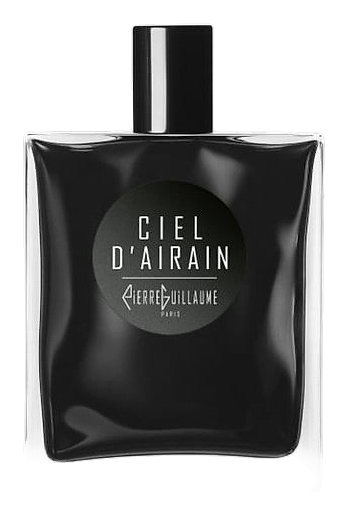
Pierre Guillaume set out to do something different in 2010. The brief was simple: find a wood that could form the backbone of a new fragrance, something unexpected that hadn't been done before. The answer was pear tree, not pear fruit, not pear blossom, but the wood itself. There's something striking about choosing the structural element of a tree rather than its more obvious aromatic outputs, the fruit that draws the eye, the blossom that perfumes the spring air. By focusing on the wood, Guillaume was building from the skeleton outward, finding the essential character of a tree most people never consider. The setting arrived separately: Lake Como, its shores, an orchard gone wild under a sky threatening rain.
What makes this work is the specific combination of materials that Pierre Guillaume chose to express pear wood. Fresh fruit extracts combined with phenoxyethyl isobutyrate, a compound that reads as apple on skin, allowed the perfumer to capture not just one element of the pear tree but three: fruit, leaf, and wood simultaneously. The fruit element brings an immediate brightness that could easily become fleeting, a common problem with green compositions that lack structural support.
The evolution
The opening arrives quickly, green, almost vegetal, the smell of pear leaves before the fruit even registers. The green impression carries a certain rawness that signals the fragrance will not be following predictable paths. Within a short time, the wood emerges, dry and slightly bitter, the pear tree asserting its structural presence rather than its sweetness. The ambergris does not announce itself so much as infiltrate, softening the edges of both the fruit and the wood until the composition feels less like three separate elements and more like a single impression: an orchard in late afternoon light. This heart phase holds for several hours on most skin types, the dominant experience that defines the fragrance's character.
Cultural impact
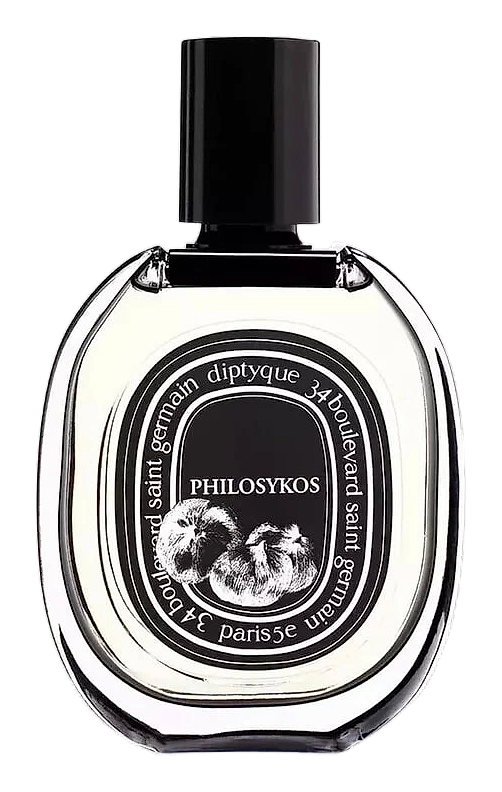
Ciel d'Airain represents a departure from perfumery's default materials, choosing an unconventional botanical source that most fragrance houses would overlook. Pierre Guillaume's decision to build around pear tree wood, rather than the more commonly explored fig or cedar, creates a composition that stands apart from mainstream offerings. The reference to L'Artisan Parfumeur and Diptyque's work with fig positions Ciel d'Airain within a context of French houses known for pushing against convention.