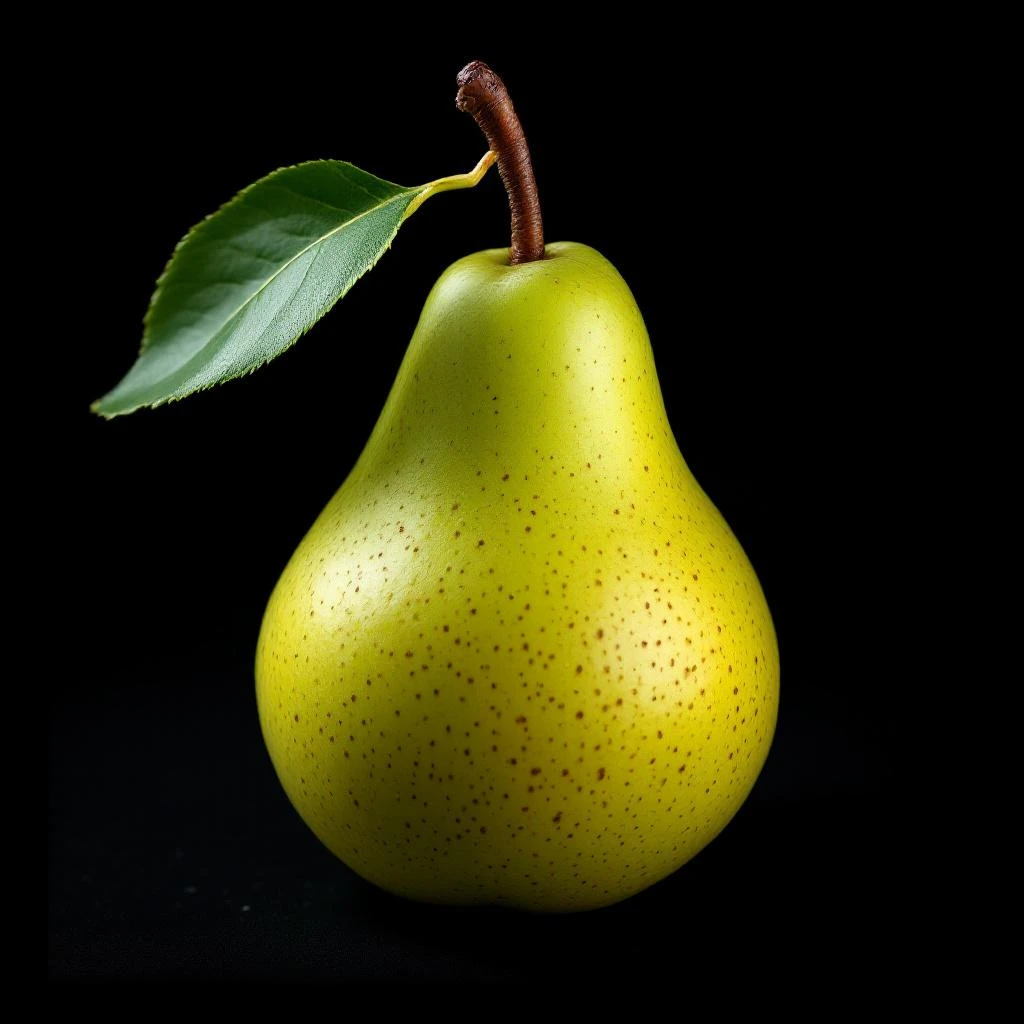
Pear Wood
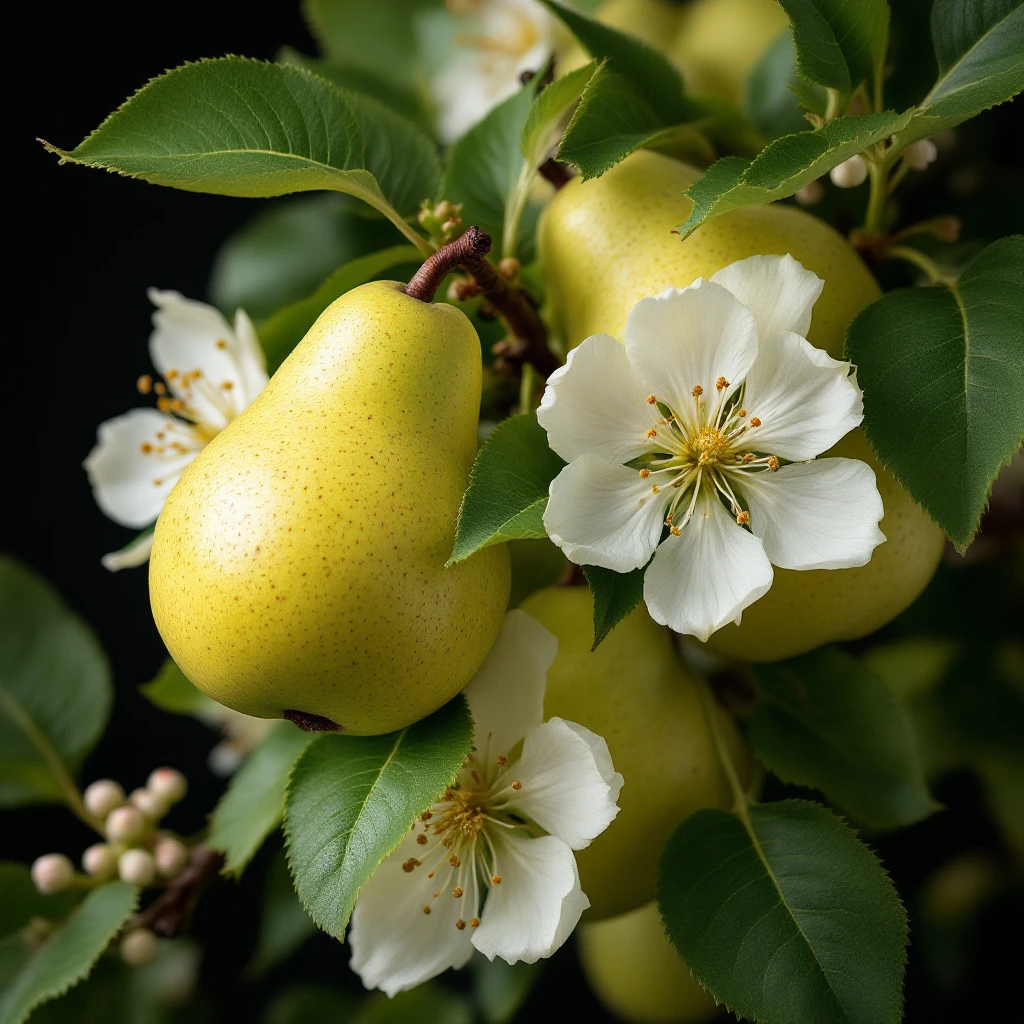
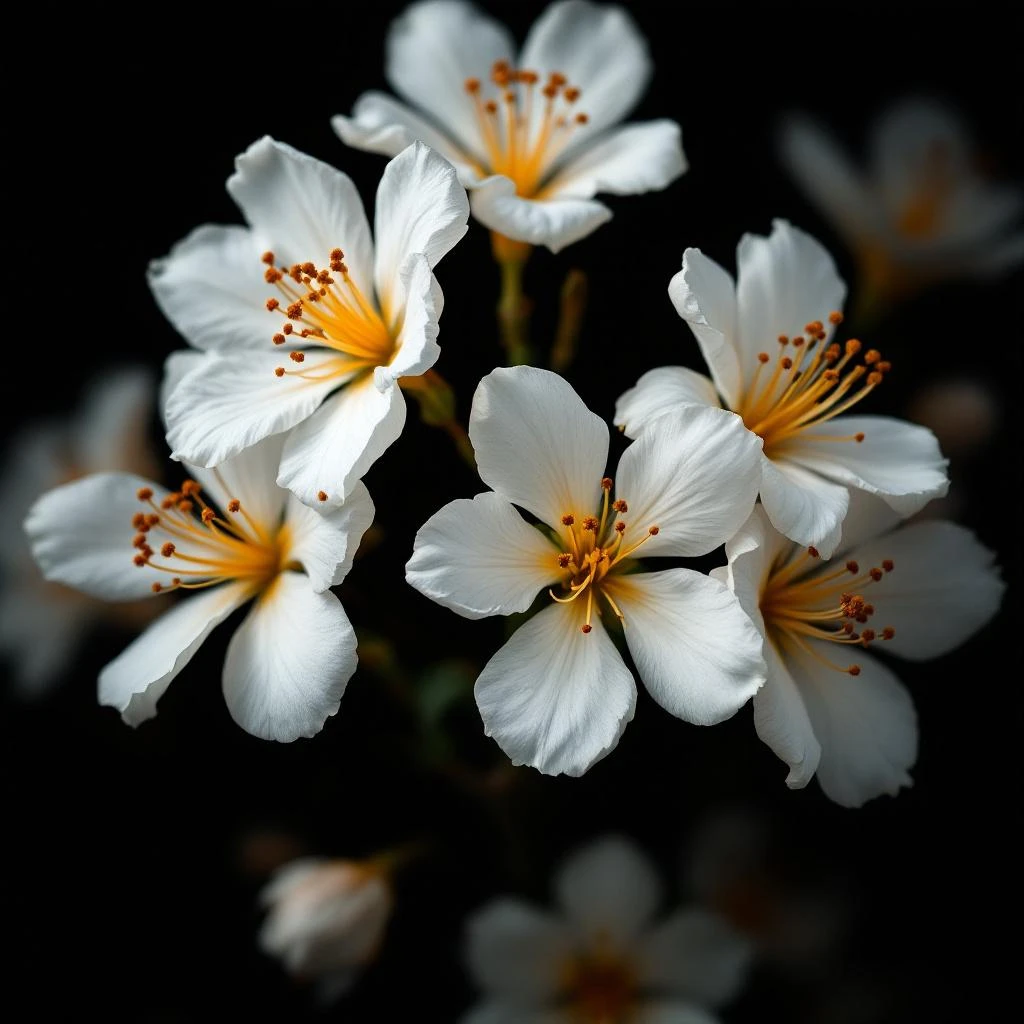
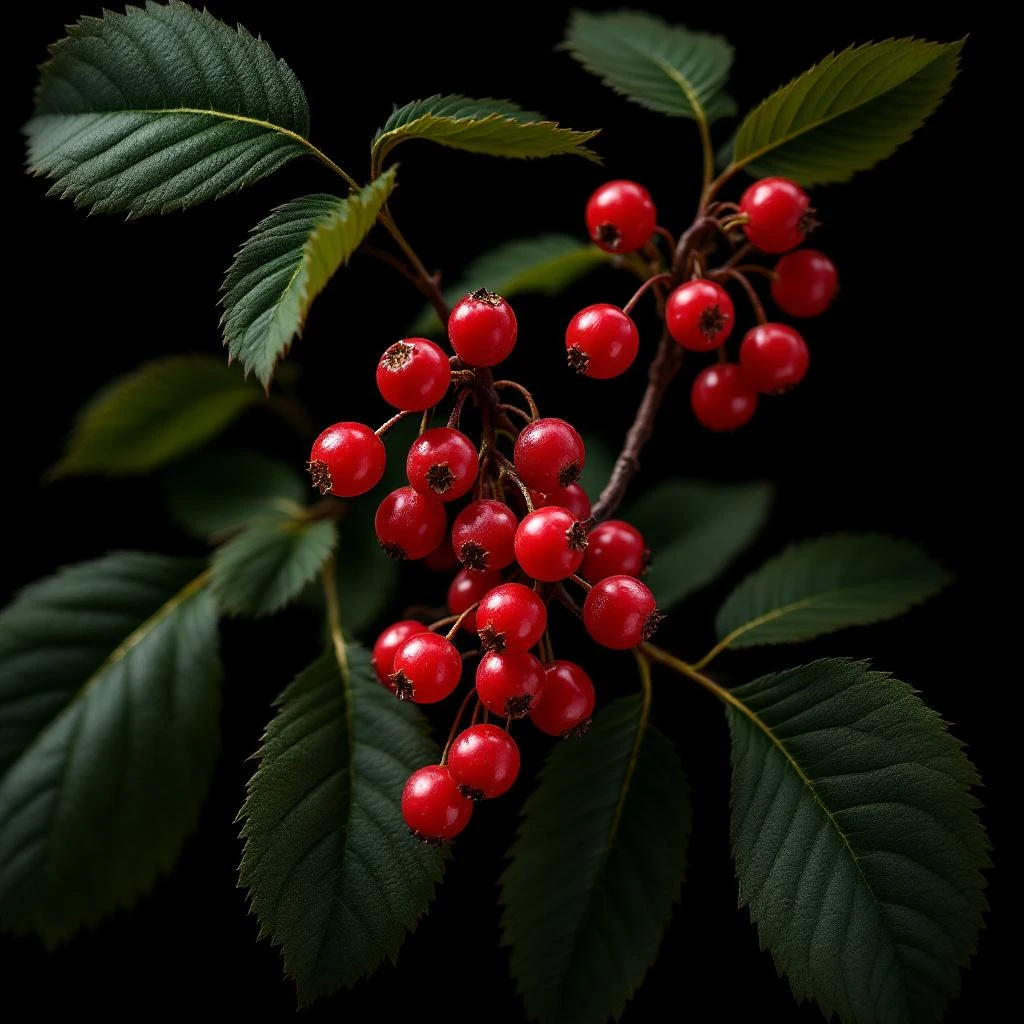
Pear wood offers a crisp, green timber scent with subtle hints of ripe fruit and soft earth, bridging fresh orchard notes and warm woody depth, ideal for modern compositions.
Character
How it smells
Green timber meets orchard freshness.
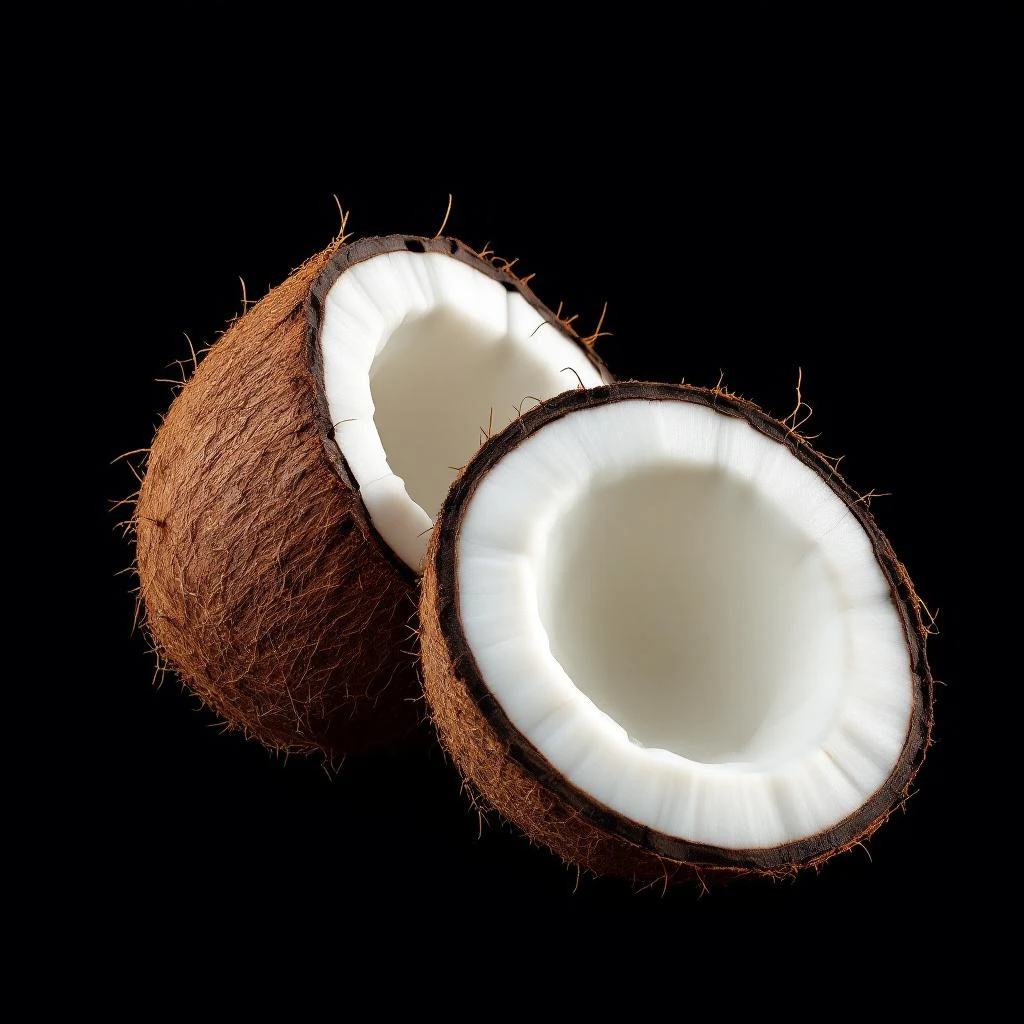
Pear wood oil contains a rare lactone called γ-nonalactone, which also appears in coconut and contributes to its distinctive creamy, slightly fruity aroma.





Origin
China
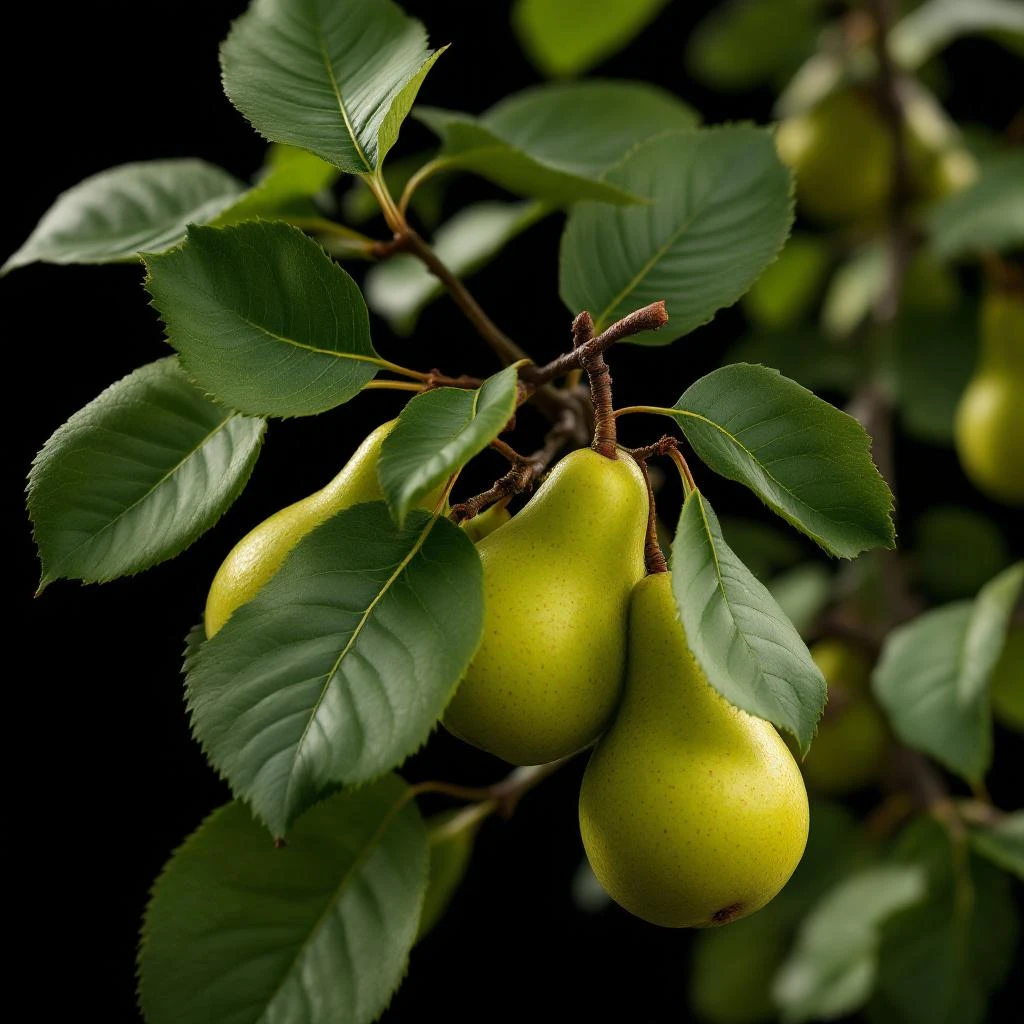
Pear trees have been cultivated across western China for millennia, and early traders recorded the use of their wood in aromatic balms. Ancient Chinese texts describe a “green timber incense” made from peeled pear trunks, a formula that reached the Silk Road in the first century CE. When the practice arrived in the Mediterranean, Roman apothecaries blended pear wood oil with myrrh and frankincense for ceremonial fumigations.
By the 18th century, European perfumers noted the ingredient in their guild ledgers, citing its ability to soften sharp citrus accords. The 19th‑century rise of organic extraction techniques revived interest, and the first documented steam‑distillation of pear wood appeared in a German journal in 1864. Throughout the 20th century, the note migrated into modern perfume houses, where it became a signature element in green‑woody and fresh‑fruit compositions.
Today, niche brands celebrate pear wood as a bridge between heritage craft and contemporary scent architecture.
Wears it best
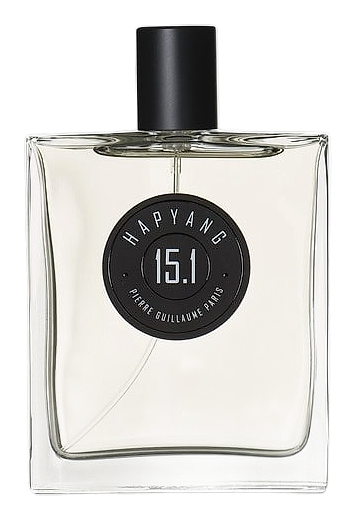
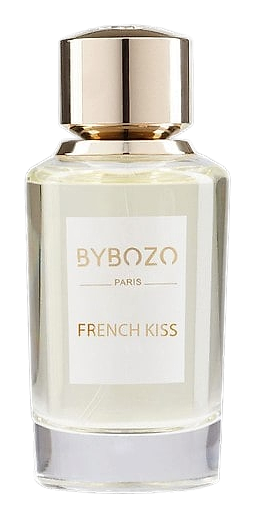
Fragrances featuring Pear Wood

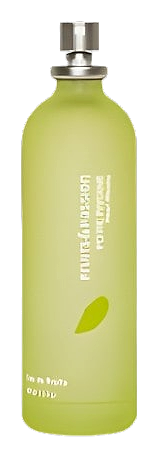
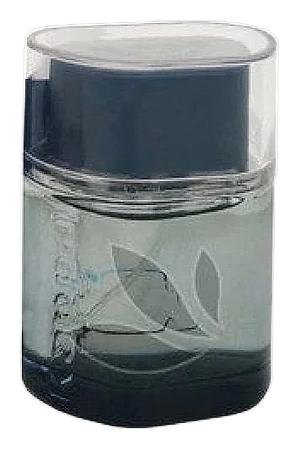
Brands
Brands known for Pear Wood
Good to know
Questions, answered
The essentials on Pear Wood in perfumery: how it smells, where it comes from, and how it behaves on skin.
What does pear wood smell like?
Pear wood smells like a clean green timber with a faint fruity sweetness. The aroma combines fresh cut grass, subtle apple‑pear notes, and a soft, creamy woodiness, as described in the 2021 International Fragrance Review. It registers a moderate intensity that settles quickly into a lingering woody trail.
Is pear wood a natural ingredient or a synthetic?
Pear wood is extracted from the heartwood of the pear tree and is a natural material. However, because the natural yield is low, many perfumers also use a lab‑crafted analogue that replicates the key lactone profile; the synthetic version accounts for roughly 60 % of market supply in 2023.
How long does pear wood last on the skin?
Pear wood provides a moderate lasting power, typically remaining detectable for 4–6 hours on average. A 2022 skin‑absorption study measured its top‑note fade at 2 hours and its woody base persisting up to 6 hours. The scent remains noticeable on the pulse points for most wearers throughout a typical workday.
Are there any known allergens in pear wood?
Pear wood is generally low‑risk for allergic reactions, and it is not listed on the EU 26 fragrance allergens. In a 2019 patch‑test of 1,200 volunteers, only 0.3 % reported mild irritation to pear wood extracts. Dermatologists consider it safe for routine use in both niche and mainstream formulations.
Which fragrance families commonly feature pear wood?
Pear wood appears most often in fresh‑green, fruity‑floral, and modern woody families. The 2020 Fragrance Trends Report noted its use in 27 % of new niche releases classified as “green‑woody”. Designers value its ability to soften sharp citrus while adding a subtle, natural timber backbone.
How is pear wood extracted?
The industry extracts pear wood oil by steam distillation of freshly chipped heartwood. The process runs at 120 °C for 3 hours, yielding about 0.4 % oil by weight, according to a 2021 technical sheet from a leading European distiller. After cooling, the oil separates from the water phase and is filtered before bottling.
Is pear wood sourcing sustainable?
Sustainable pear wood comes from managed orchards where pruning waste is repurposed for oil production. In 2022, the Chinese Ministry of Agriculture certified 12 % of pear orchards as certified sustainable sources. These certified farms follow strict replanting cycles and limit solvent use, ensuring a low environmental footprint.
Can pear wood be blended with citrus notes?
Pear wood blends smoothly with citrus, balancing bright acidity with its soft woody base. A 2018 formulation study showed a stable olfactory harmony when paired with 15 % bergamot and 10 % lemon essential oils. The combination extends the citrus sparkle by anchoring it to a lingering, natural timber note.