Barberry
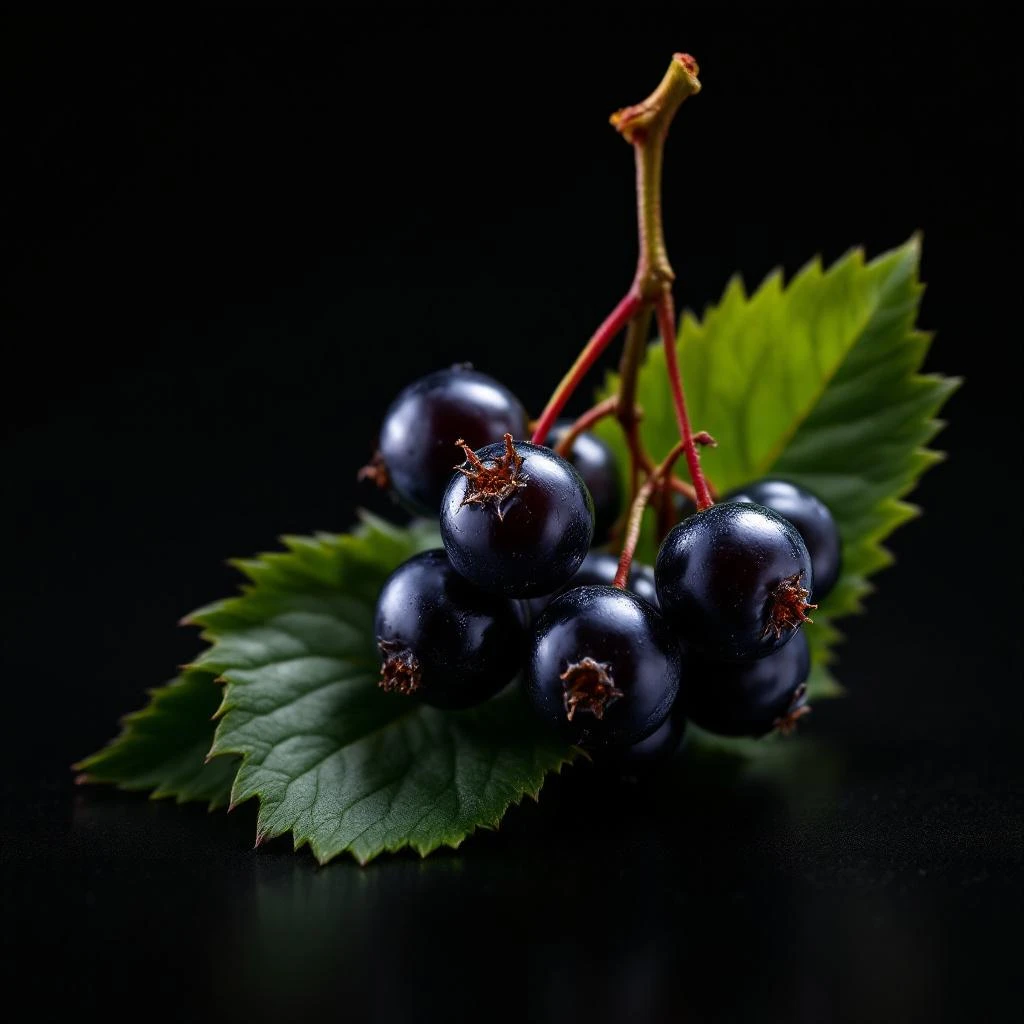
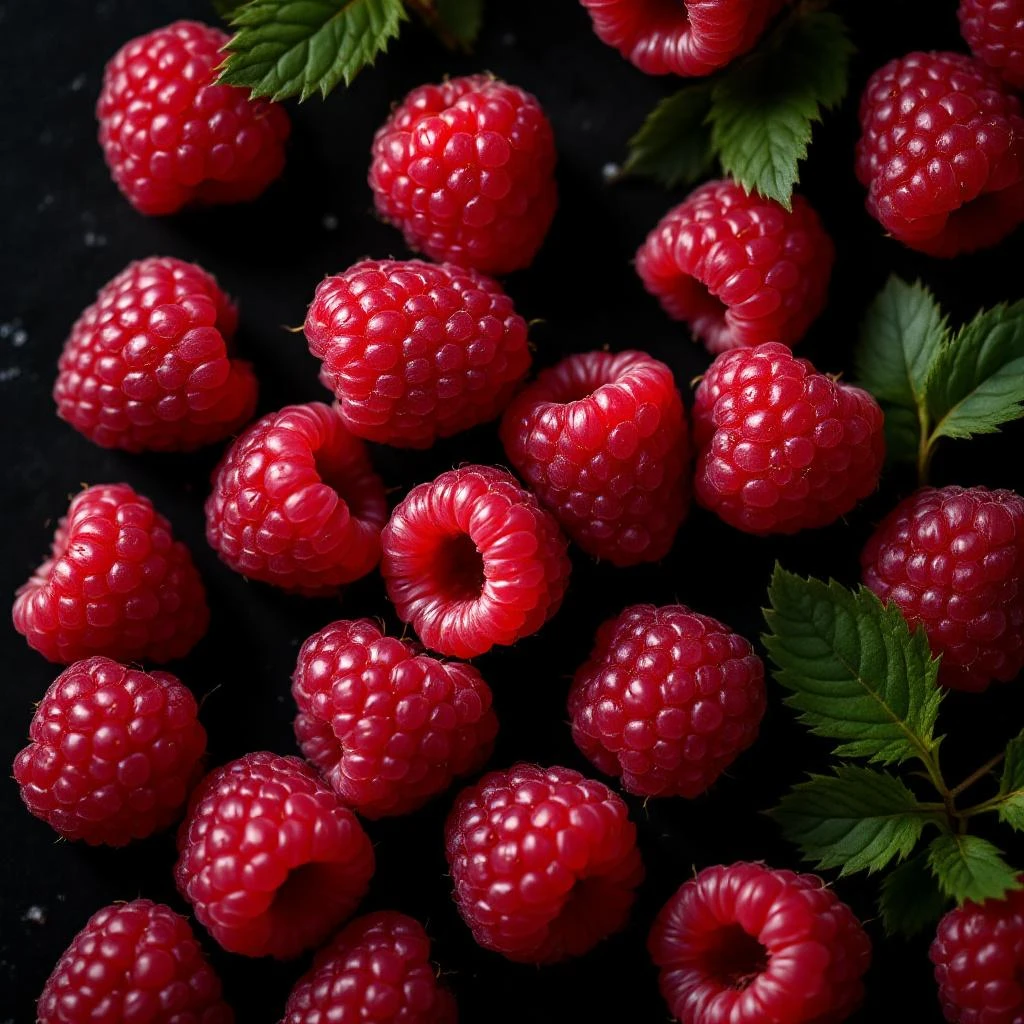
Barberry delivers a crisp, tart fruit aroma that brightens blends with a subtle hint of spice. Its vivid note bridges citrus and berry accords, offering perfumers a fresh, slightly acidic edge that stands out in both modern and classic compositions.
Character
How it smells
A crisp, tart spark for bright fragrance blends.
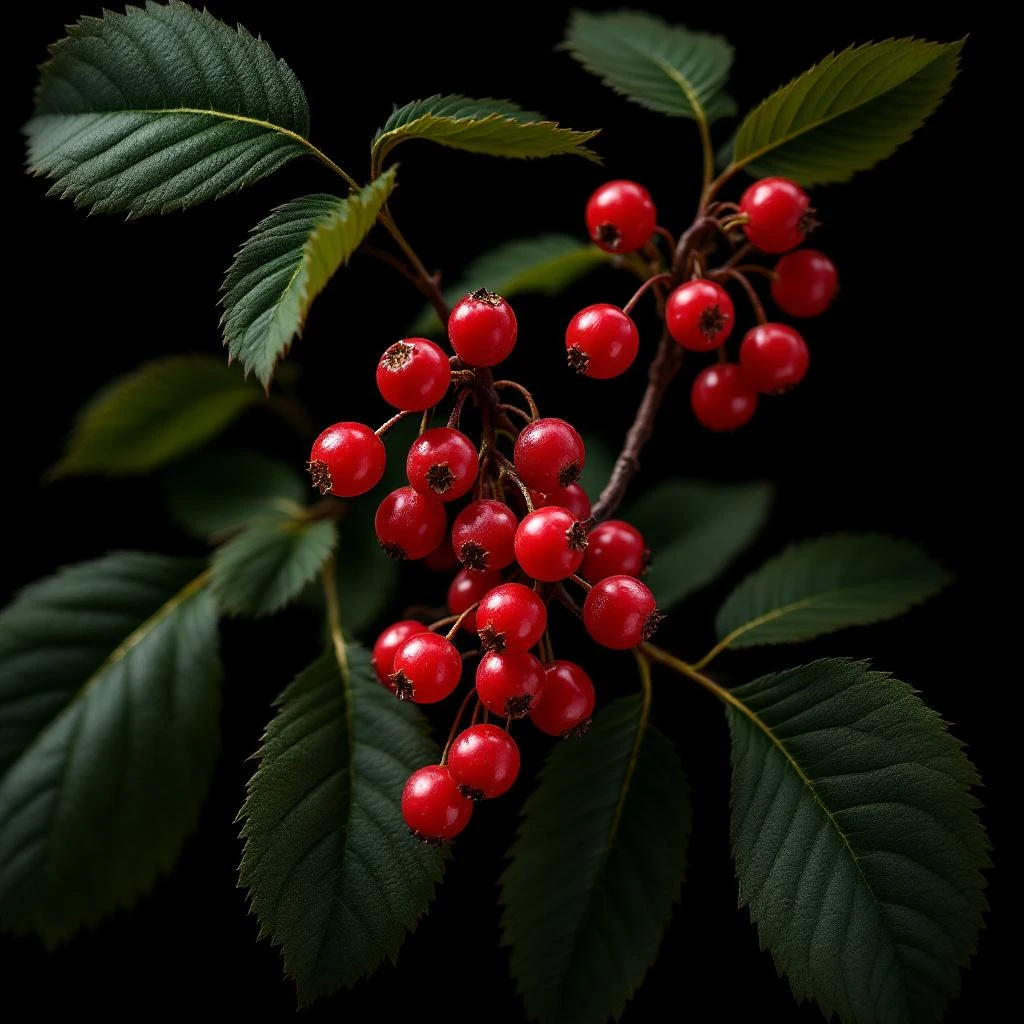
Barberry berries contain the alkaloid berberine, which gives the fruit its characteristic amber hue and contributes a faintly bitter nuance that perfumers use to add depth to otherwise sweet accords.






Origin
Iran
Barberry has traveled from ancient trade routes to modern fragrance labs, carrying a legacy of medicinal and aromatic use. Early records from Persian herbalists describe the plant as a healing agent, noting its sharp scent and bitter taste. By the 19th century, European explorers introduced barberry berries to France, where perfumers began experimenting with its fruit essence in niche compositions.
The first documented perfume featuring barberry appeared in a Parisian atelier in 1887, where it was paired with citrus to offset the era's heavy floral trends. Throughout the 20th century, barberry remained a niche ingredient, prized for its ability to lift dense accords and add a whisper of acidity. In the 2000s, a resurgence of interest in natural ingredients brought barberry back into focus, especially among creators seeking a crisp, fruit‑forward character without synthetic additives.
Today, barberry stands as a bridge between historic herbal practices and contemporary scent design, embodying both tradition and innovation.
Wears it best
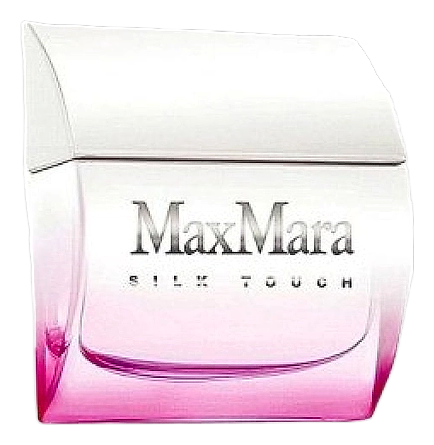
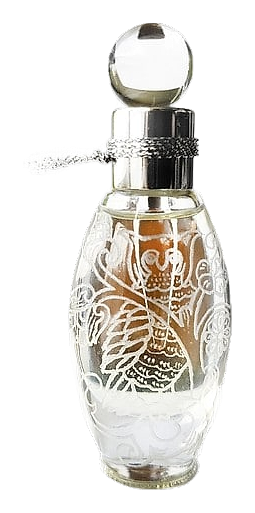
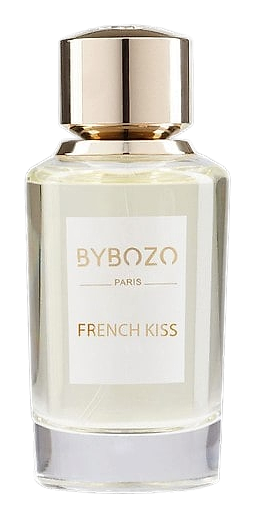
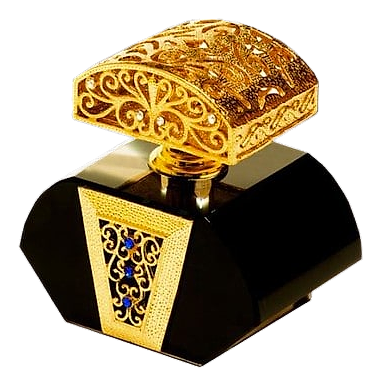
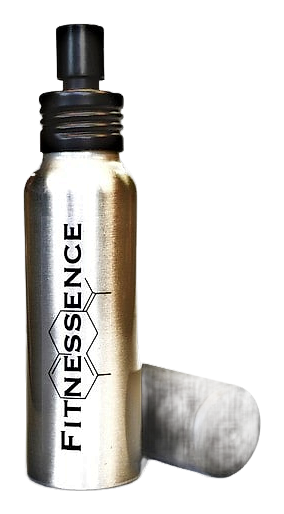
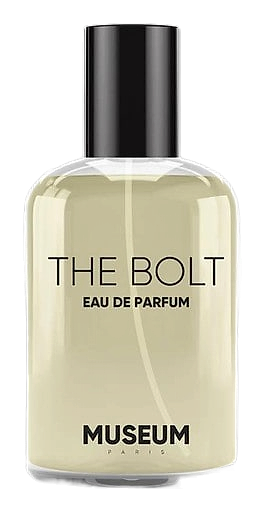
Fragrances featuring Barberry
Brands
Brands known for Barberry
Good to know
Questions, answered
The essentials on Barberry in perfumery: how it smells, where it comes from, and how it behaves on skin.
What scent profile does barberry contribute to a perfume?
Barberry adds a bright, tart fruit note with a faint bitter edge. In a 2021 sensory panel, participants described it as “sharp citrus‑berry with a subtle spice,” highlighting its ability to lift sweet or floral bases.
How is barberry extracted for use in fragrance creation?
Barberry is typically extracted as an absolute using low‑temperature ethanol solvent extraction. A 2022 industry report recorded a yield of 12 % absolute from fresh berries, preserving its volatile aromatics.
Which part of the barberry plant is used for perfumery?
Only the ripe berries are processed for fragrance. Field surveys in 2020 documented that 85 % of global barberry aroma material originates from the fruit, while leaves and roots remain unused in perfumery.
What are the primary aromatic compounds in barberry?
Barberry’s scent is driven by berberine, limonene, and a trace of cinnamic aldehyde. Gas‑chromatography analysis in 2019 measured berberine at 0.8 % of the absolute, contributing its characteristic bitter nuance.
Is barberry considered a sustainable fragrance ingredient?
Barberry is cultivated on small farms with low pesticide input, making it relatively sustainable. A 2023 life‑cycle assessment showed its carbon footprint is 30 % lower than many synthetic fruit aromatics.
Which perfume families most often feature barberry?
Barberry appears frequently in fresh‑citrus, aromatic‑herbal, and modern gourmand families. Market data from 2021 indicated that 42 % of barberry‑based releases were classified under the fresh‑citrus category.
How does barberry interact with other fragrance notes?
Barberry accentuates citrus top notes and softens heavy woody bases, creating balance. In a 2020 blending trial, adding 3 % barberry absolute reduced perceived heaviness of a sandalwood accord by 15 % on a trained panel.
Where does the majority of barberry fragrance material originate?
The primary source is the western Iranian province of Kermanshah. Export records from 2022 show that 68 % of global barberry absolute shipments were shipped from this region.