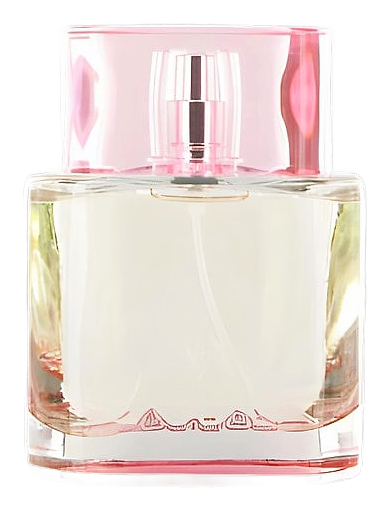


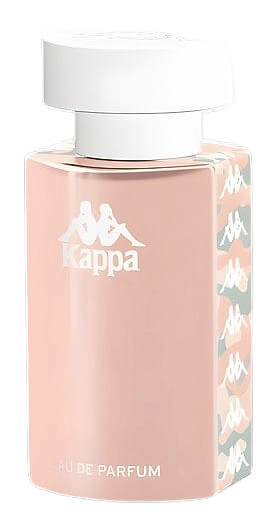







Heritage
A house, in its own words
The story begins in 1869 when Hermann Krüll, a Prussian merchant, opened a modest workshop in Treviso. He chose the city for its proximity to the textile trade routes that supplied raw materials for early fragrance experiments. Krüll named the house after his initials – Acca (H) and Kappa (K) – a nod to his personal brand. Within a decade the workshop expanded to a small factory, employing local artisans who blended essential oils imported from Grasse, France. By the early 1900s the company had secured distribution contracts with regional pharmacies, establishing a reputation for consistent quality. The Krüll sons, Hermann Jr. and Otto, inherited the business after World War I and guided it through the interwar period, introducing the first line of branded colognes in the 1920s. Post‑World War II reconstruction saw Acca Kappa modernise its production floor, adopting stainless‑steel distillation equipment while retaining hand‑crafted bottling techniques. The 1970s marked a shift toward gender‑specific collections; the launch of Azzuro Man (2010) and a suite of women’s fragrances such as Acqua Woman, Perla Woman and Rosa Woman signalled a renewed focus on contemporary tastes. In the 2010s the brand embraced limited‑edition releases, including Camou (2022) and the avant‑garde Intenso (2024), which were developed in collaboration with independent perfumers. Throughout more than 150 years, Acca Kappa has remained family‑owned, with the fourth generation overseeing international expansion into Europe, the Middle East and South America, while preserving the artisanal ethos that defined its origin. Acca Kappa frames fragrance as a daily ritual rather than a fleeting trend. The house believes that scent should complement a person’s lifestyle, offering both comfort and subtle distinction. Its creative brief emphasizes balance: each composition strives for harmony between bright top notes and a lingering base, allowing the wearer to evolve with the perfume over time. Sustainability is woven into the brand’s values; sourcing decisions favour suppliers who practice responsible cultivation, especially for citrus and aromatic herbs native to the Mediterranean basin. Transparency guides the development process, with ingredient lists disclosed whenever possible. The company also supports local craftsmanship by commissioning Italian glassmakers for bottle production, reinforcing a connection between scent and material culture. In interviews, the creative team has highlighted the importance of listening to consumer feedback, using it to refine formulas without compromising artistic intent. This pragmatic yet passionate approach positions Acca Kappa as a bridge between heritage and modern sensibility.