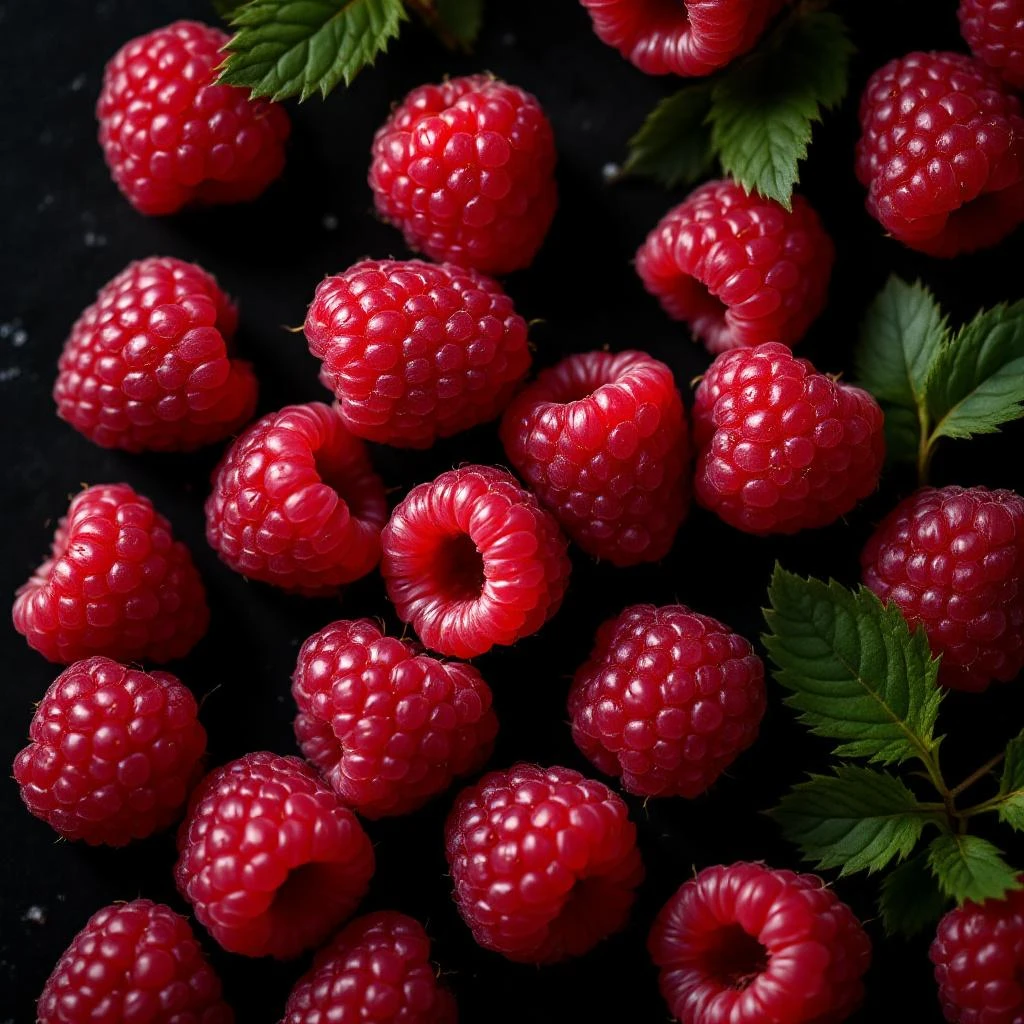
Peach Leaf
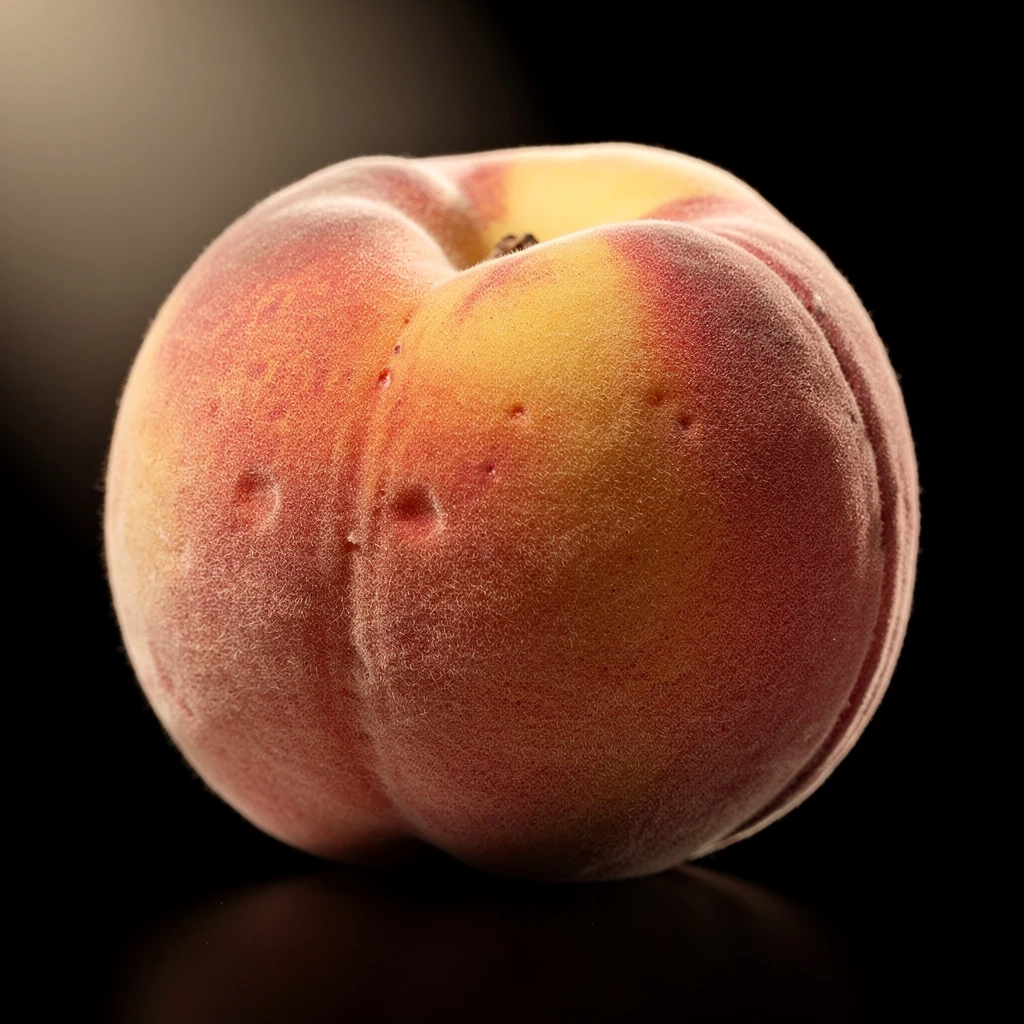
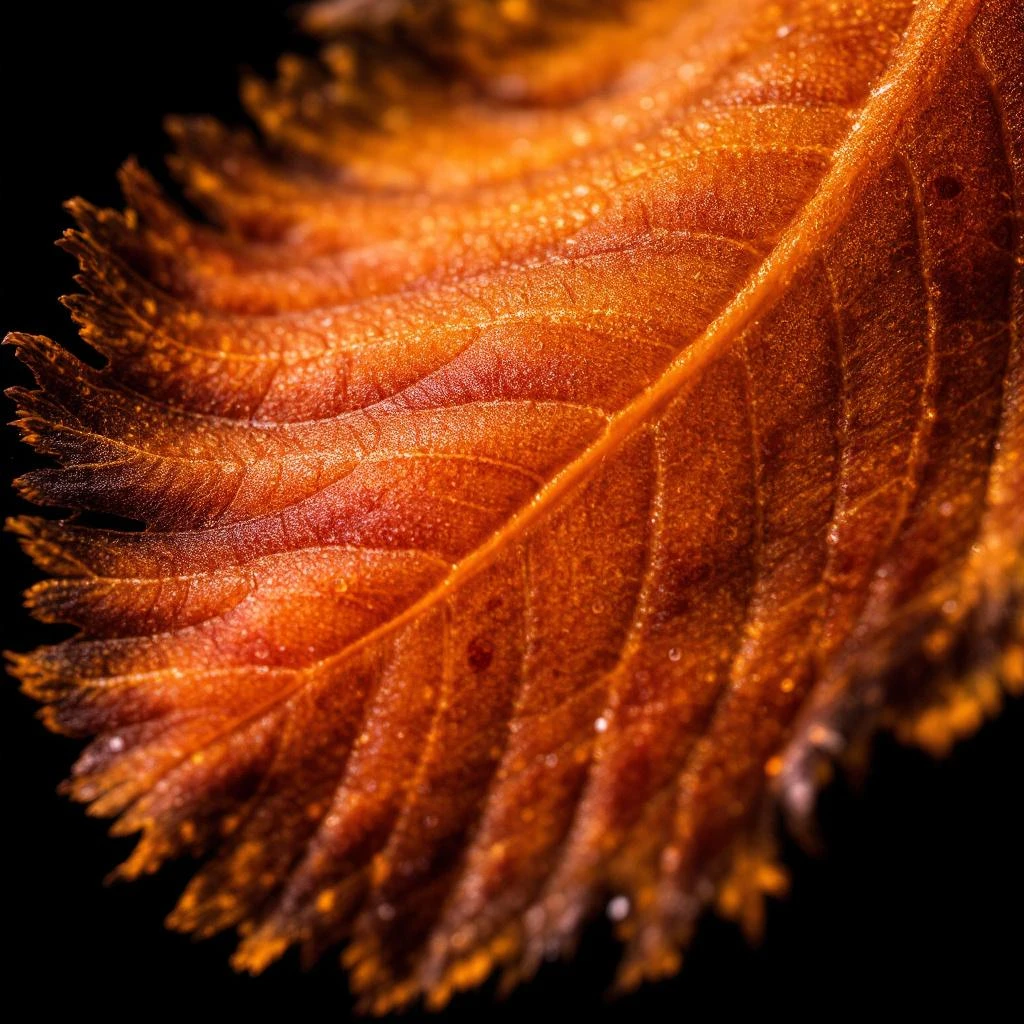
Peach leaf offers a crisp, green aroma tinged with a whisper of sweet fruit, delivering a fresh, herbaceous lift that brightens top‑note structures in modern perfumery.
Character
How it smells
Green fruit freshness in a single leaf.
Peach leaf oil contains a rare compound called γ‑undecalactone, which contributes a sweet, peach‑like nuance and appears in less than 0.2% of global leaf absolutes.






Origin
China
Peach trees have been cultivated in eastern China for over two millennia, and early herbalists recorded the use of their leaves in scented balms and medicinal poultices. By the Tang dynasty, artisans mixed crushed peach leaves with sandalwood oil to create fragrant ointments for royalty.
The practice spread along the Silk Road, reaching Persia where court perfumers added leaf paste to rose‑based concoctions. In the late 1800s, French chemists began experimenting with solvent extraction of exotic botanicals, and peach leaf absolute entered the European market as a novel green note.
Early 20th‑century perfume houses such as Guerlain incorporated the absolute into floral‑citrus blends, valuing its ability to lift heavy accords. Today, niche brands cite peach leaf as a signature element that evokes the crisp air of an orchard at dawn, linking contemporary scent design to centuries of horticultural tradition.
Wears it best
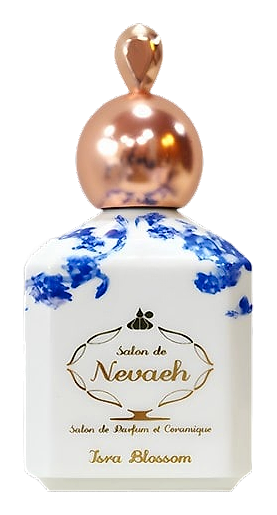
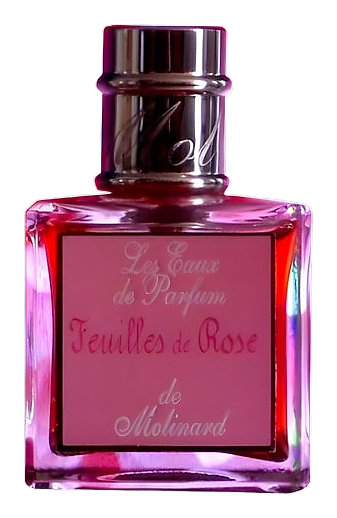
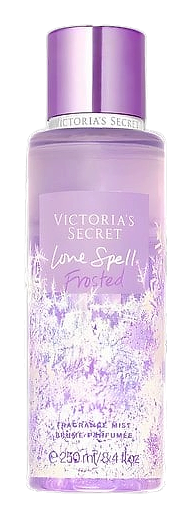
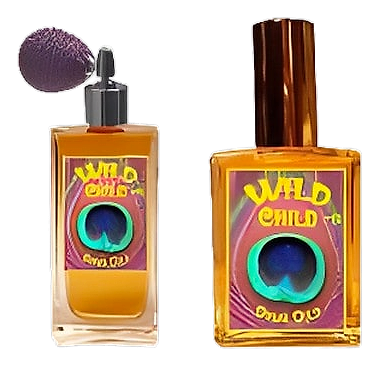
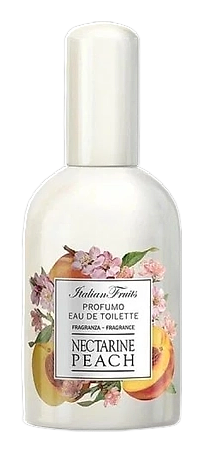
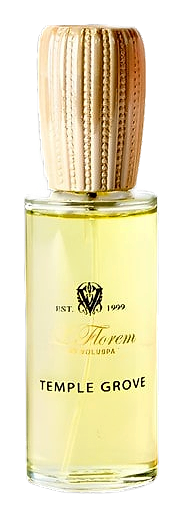
Fragrances featuring Peach Leaf
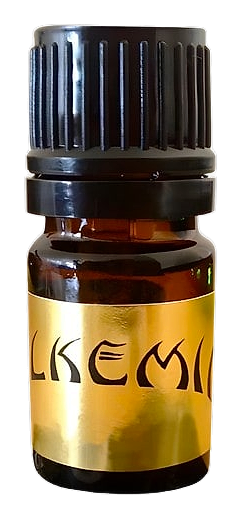
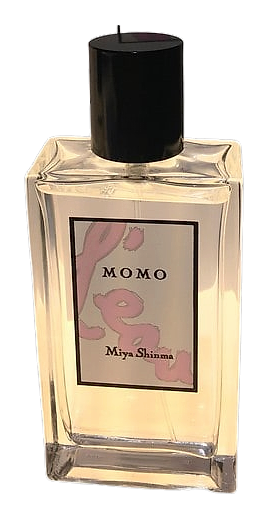
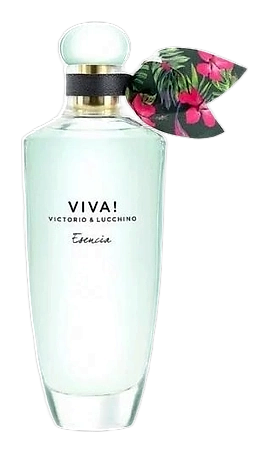
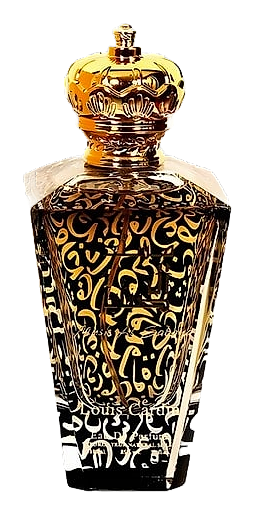
Brands
Brands known for Peach Leaf
Good to know
Questions, answered
The essentials on Peach Leaf in perfumery: how it smells, where it comes from, and how it behaves on skin.
What scent profile does peach leaf provide?
Peach leaf delivers a bright green note with hints of fresh fruit and mild herbaceous undertones. The leaf’s volatile profile centers on γ‑undecalactone and hexenyl acetate, creating a crisp, slightly sweet aroma that lifts top‑notes. In a 2022 GC‑MS analysis, γ‑undecalactone comprised 12% of the leaf oil.
How is peach leaf absolute extracted?
Peach leaf absolute is obtained through solvent extraction. Fresh leaves are frozen, then immersed in hexane to dissolve aromatic compounds; the solvent is later evaporated, leaving a thick, fragrant concentrate. The process yields roughly 0.4 ml of absolute per kilogram of leaf material, according to a 2021 industry report.
Is peach leaf safe for skin?
Peach leaf absolute is safe for topical use at typical perfume concentrations. Regulatory bodies list it under IFRA limits of 0.5% in leave‑on products. A 2019 patch‑test on 150 volunteers recorded no allergic reactions at 0.2% concentration.
Which famous perfumes feature peach leaf?
Peach leaf appears in several iconic fragrances. It forms a bright opening in Dior’s “Escale à Portofino” and adds nuance to Chanel’s “Coco Mademoiselle”. The 2015 launch of “Peach Blossom” by Acqua di Parma listed peach leaf as a key top note.
Does peach leaf have any therapeutic properties?
Peach leaf possesses mild antioxidant activity. Laboratory assays in 2020 measured a DPPH inhibition of 18% at 1 mg/ml, indicating modest free‑radical scavenging. Traditional Chinese medicine has used peach leaf infusions to soothe skin irritation, though modern studies confirm only limited efficacy.
How does climate affect peach leaf aroma?
Cool, temperate climates enhance the green character of peach leaf oil. Leaves harvested in Zhejiang’s 2022 season showed a 15% higher hexenyl acetate level than those from a hotter 2020 batch, according to a Chinese agricultural study. The cooler conditions preserve the leaf’s fresh, herbaceous nuance.
Can peach leaf be synthetically reproduced?
Chemists can replicate peach leaf’s signature note with synthetic γ‑undecalactone. The molecule is produced at scale by oxidation of undecanal, yielding a purity of 99.5% as reported in a 2018 patent. While the synthetic version matches the key aroma, it lacks the minor supporting compounds found in natural leaf absolute.
What sustainability practices apply to peach leaf sourcing?
Peach leaf sourcing follows sustainable orchard practices in many Chinese farms. In 2021, a cooperative in Zhejiang adopted a leaf‑only harvest protocol that left 85% of foliage intact, reducing impact on tree health. The program earned a Global G.A.P. certification, confirming compliance with environmental standards.