The Story
Why it exists.
The beginning
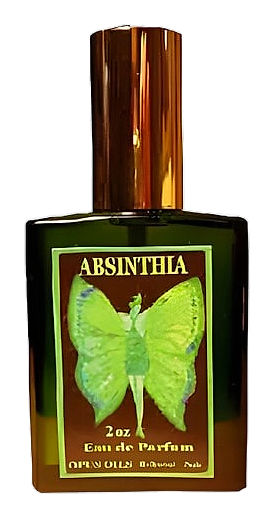
Wild Child #13 arrived in 2011 from Kedra Hart's Hollywood atelier, Opus Oils. One of thirteen signature compositions in the collection, it reflects the studio's core premise: fragrance as autobiography, not trend. Hart built this scent for the wearer who understands that sweetness can have an edge, that the best disarmament comes with something underneath, something that stays.
The structure here earns attention. Citrus at the top gives way to a lactonic heart, which then hands off to something darker, and that progression isn't accident. Milk and honey don't soften the patchouli. They make the patchouli louder by contrast. Tuberose adds a creamy-floral layer that bridges the sweetness and the earth, ensuring the transition doesn't feel like two different fragrances stapled together. The green notes in the opening aren't accident either: they keep the citrus honest, prevent it from becoming candy, and set up the slow reveal of what comes below.
The evolution
The first thirty minutes belong to clementine and mandarin, bright, slightly tart, the kind of opening that announces itself without trying. Then the milk arrives. Not creamy the way you'd expect, but warm, almost humid, like the air in a room after someone's been in it for a while. Honey follows, threading sweetness through the lactonic base. The heart phase is where it gets interesting: tuberose pushes through, but it's not the heady white floral of summer gardens, it's darker, more textured, pulling the sweetness toward something with more gravity. By the time the base arrives, the citrus is gone entirely. What remains is patchouli, rich, aged, resinous, alongside ambergris and vanilla. The vanilla doesn't sweeten the patchouli. The patchouli makes the vanilla smell like something that belongs on skin, not in a dessert. This is the phase that lasts. Five, six hours later, the ambergris is still there, animalic and close, the kind of drydown you find on your collar the next morning.
Cultural impact
Wild Child #13 occupies a specific space: not quite mainstream, not entirely avant-garde. The citrus-lactonic-patchouli structure offers something for the wearer who wants brightness with depth, someone drawn to sweet openings but requiring earth underneath. Within the Opus Oils catalog, it stands apart for its balance of accessibility and edge.