The Story
Why it exists.
The beginning
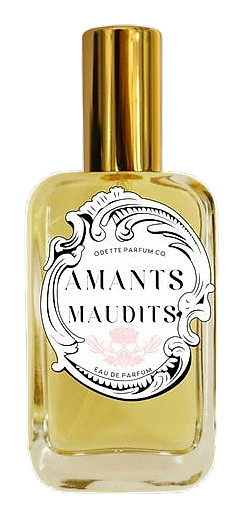
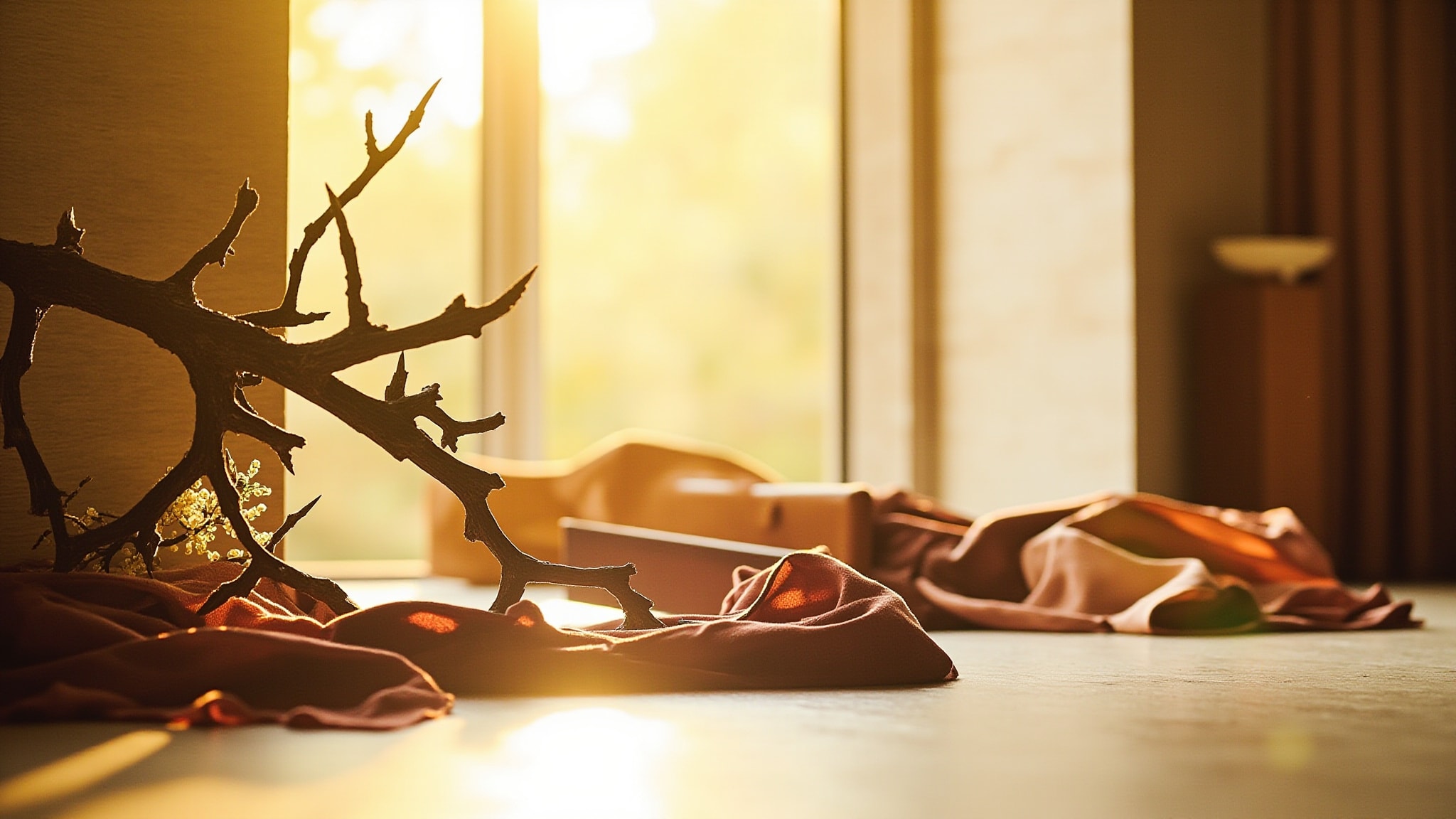
"Amants Maudits", forbidden lovers, star-crossed, sauced, solaced. That's the ballet adaptation Fontaine had in mind: Romeo and Juliet, reimagined for the stage. Not the sanitized balcony scene. The whole story. The tragedy baked into the title shaped everything that followed. The blackthorn came first. Fontaine noticed it during a winter rehearsal, the way it blooms despite everything, small white flowers pushing through bare branches in the cold. She wanted that stubbornness in the opening. So she paired it with blood orange for brightness and peach leaf for the bitter-green edge that keeps the citrus honest. The heart was harder. The rose had to be there, obvious, unavoidable, the way love is in those stories. But Fontaine didn't want a polite rose. She wanted the kind that could carry a whole tragedy. Rose absolute. Seven iterations of the blackberry-rose ratio before she found the right darkness. Blackberry doesn't sweeten the rose.
Rose absolute is expensive. There's no bypassing it, if you want that full-bodied, honeyed, slightly jam-like quality that distinguishes absolute from essential oil, you pay for it. Fontaine used it anyway. The blackberry-rose-cypress heart only works because the rose can hold its own weight. The citrus-topped rose over oud structure isn't novel, it's a recognized niche archetype. But the execution here is distinctive. Most fragrances in this family lean into the sweetness. Blood orange, peach leaf, and blackthorn tilt the opening toward something more botanical, more green, more bitter than typical. It's not a dessert rose. It's a garden rose, the kind with thorns.
The evolution
The opening announces itself immediately. Blood orange is loud, tart, almost acidic in the first five minutes. You notice it. Then the green arrives, blackthorn's bitter edge, the peach leaf softness, and something more interesting starts. The citrus doesn't disappear. It softens, becomes part of the landscape rather than the headline. Thirty minutes in, the heart takes over. Rose absolute blooms here, rich and full, with blackberry adding dark sweetness that refuses to be ignored. Cypress is present but restrained, it reads more as structure than as a distinct green note. This is the romantic middle act. The one the whole story was building toward. By the second hour, the transition begins. The floral fades first, leaving blackberry and cypress as a green-woody bridge to the base. Musk and sandalwood arrive quietly, adding warmth without changing the subject. The frankincense appears here, resinous, slightly smoky, a whisper of something ancient and ceremonial. This is where the oud starts to show. The drydown is the point.
Cultural impact
Amants Maudits is a 2025 release from a small independent house, one woman formulating, sourcing, and releasing limited batches. Within the niche fragrance landscape, the rose-over-oud structure has become a recognizable archetype. What distinguishes this iteration is the green-blackthorn and peach-leaf opening, which pushes the composition toward botanical rather than gourmand territory. The Romeo and Juliet ballet inspiration gives it a specific romantic-theatrical register that niche buyers recognize and seek out. It's not positioned as a mass-appeal fragrance, the discontinued status confirms that, which makes it a collector's item for those who found it in time.