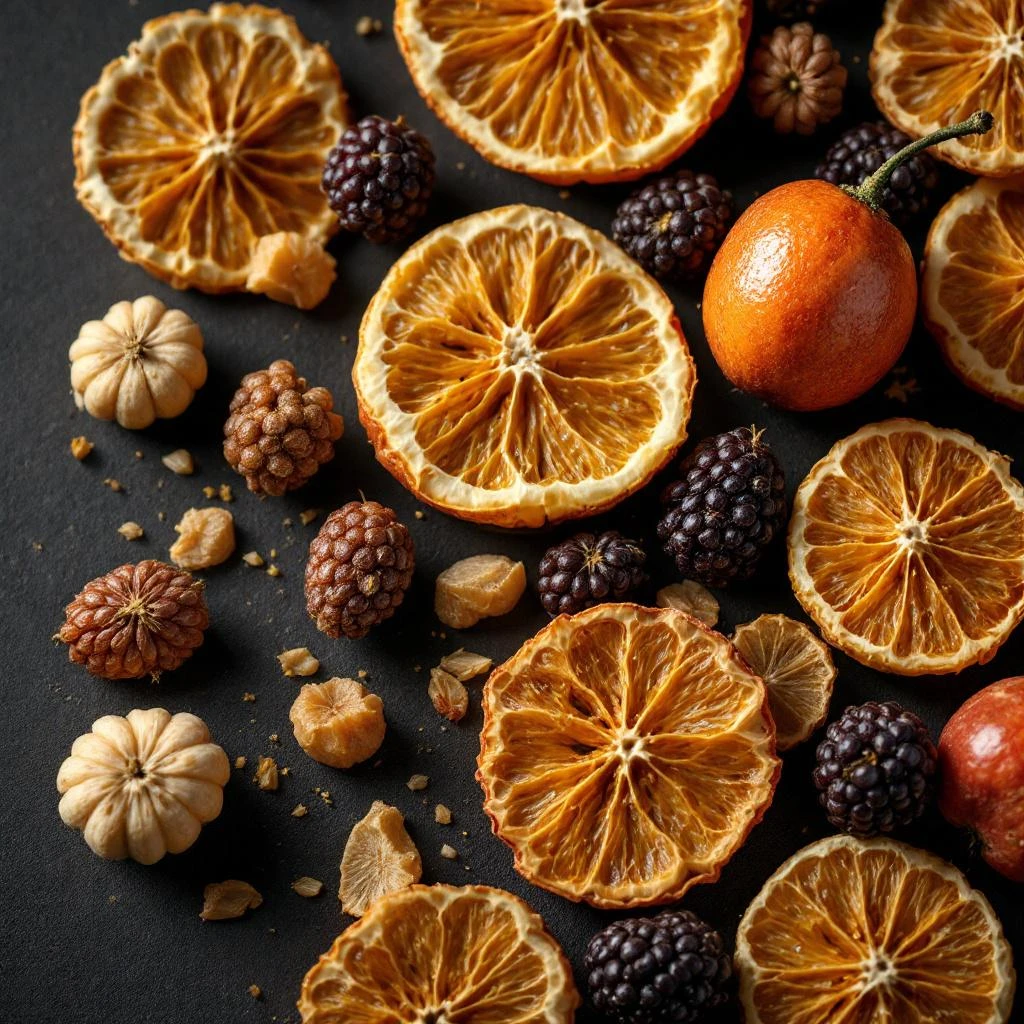
Blackthorn
Blackthorn (Prunus spinosa) yields one of perfumery's most elusive absolutes, capturing the stark beauty of early spring hedgerows when pale blossoms emerge before leaves. Its scent bridges tart fruit, bitter almond, and ephemeral florals.
Character
How it smells
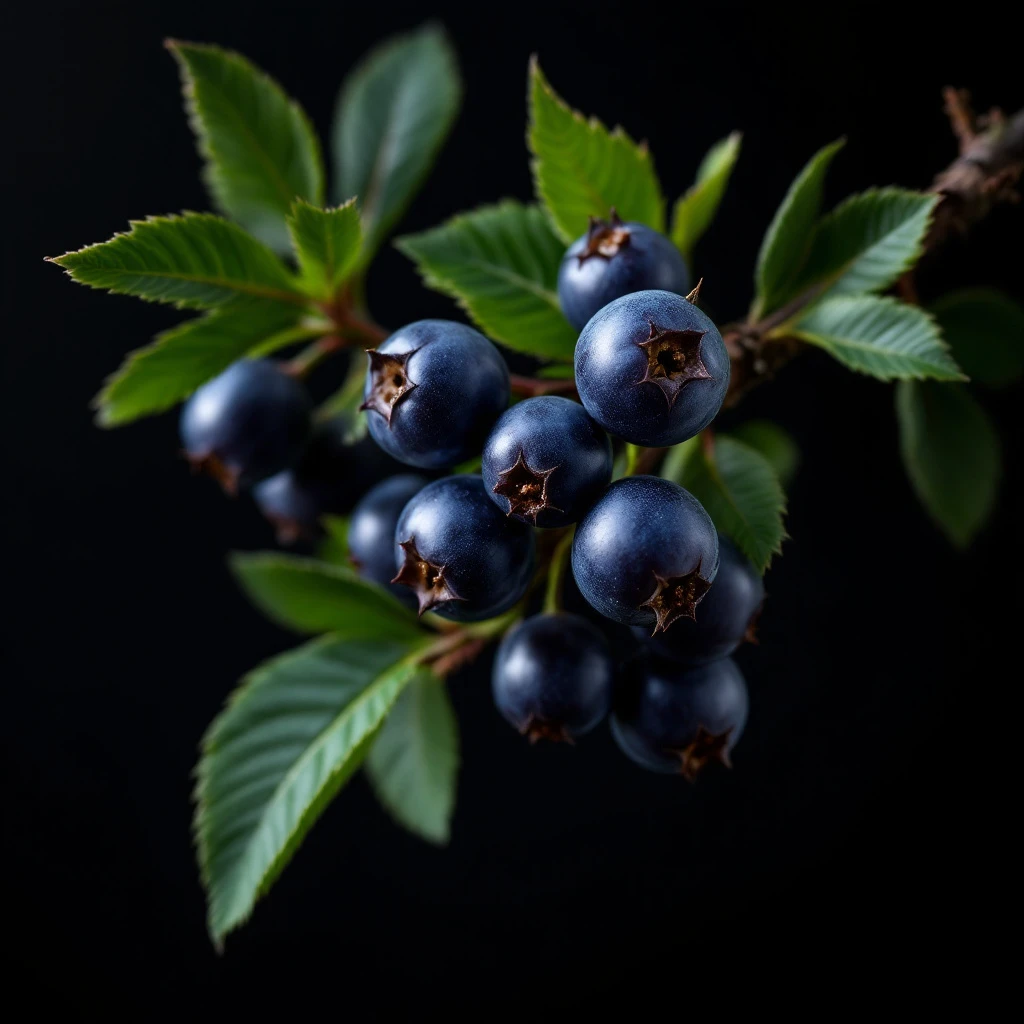
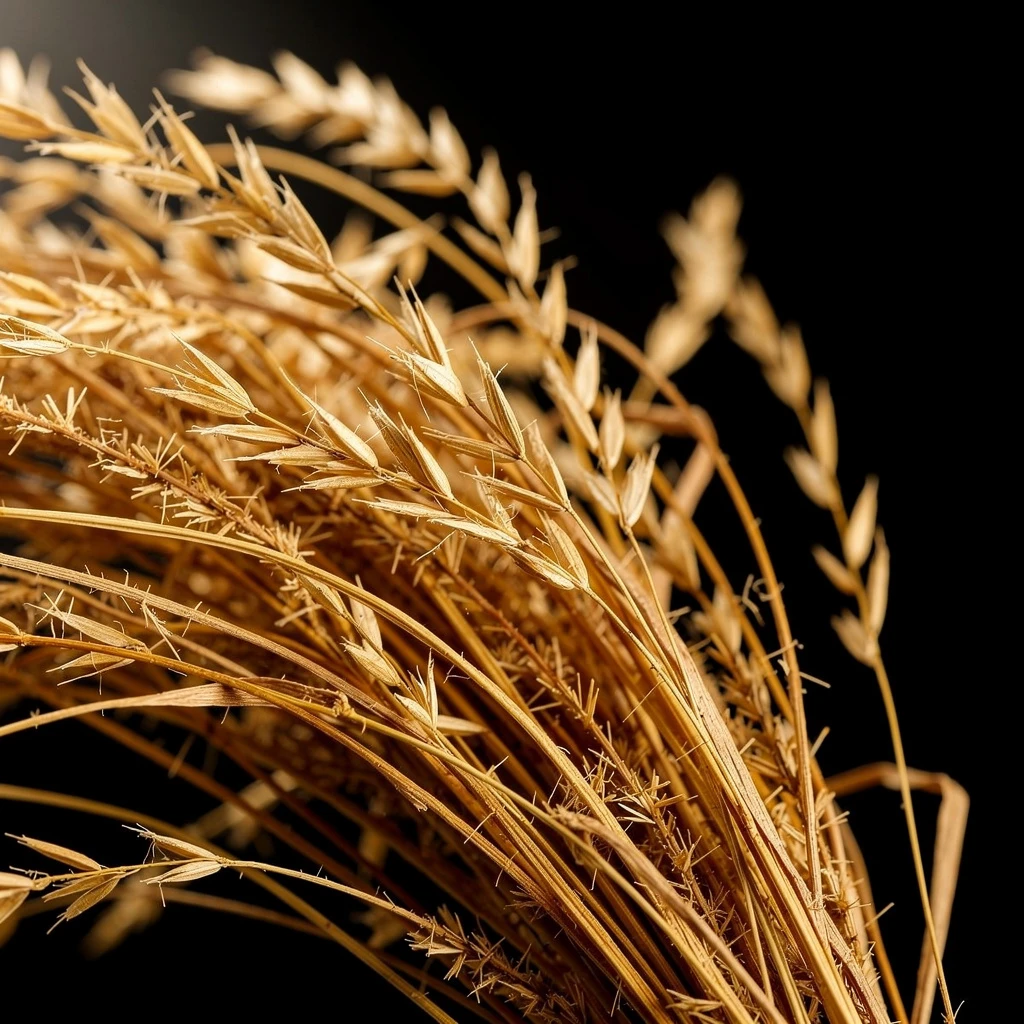
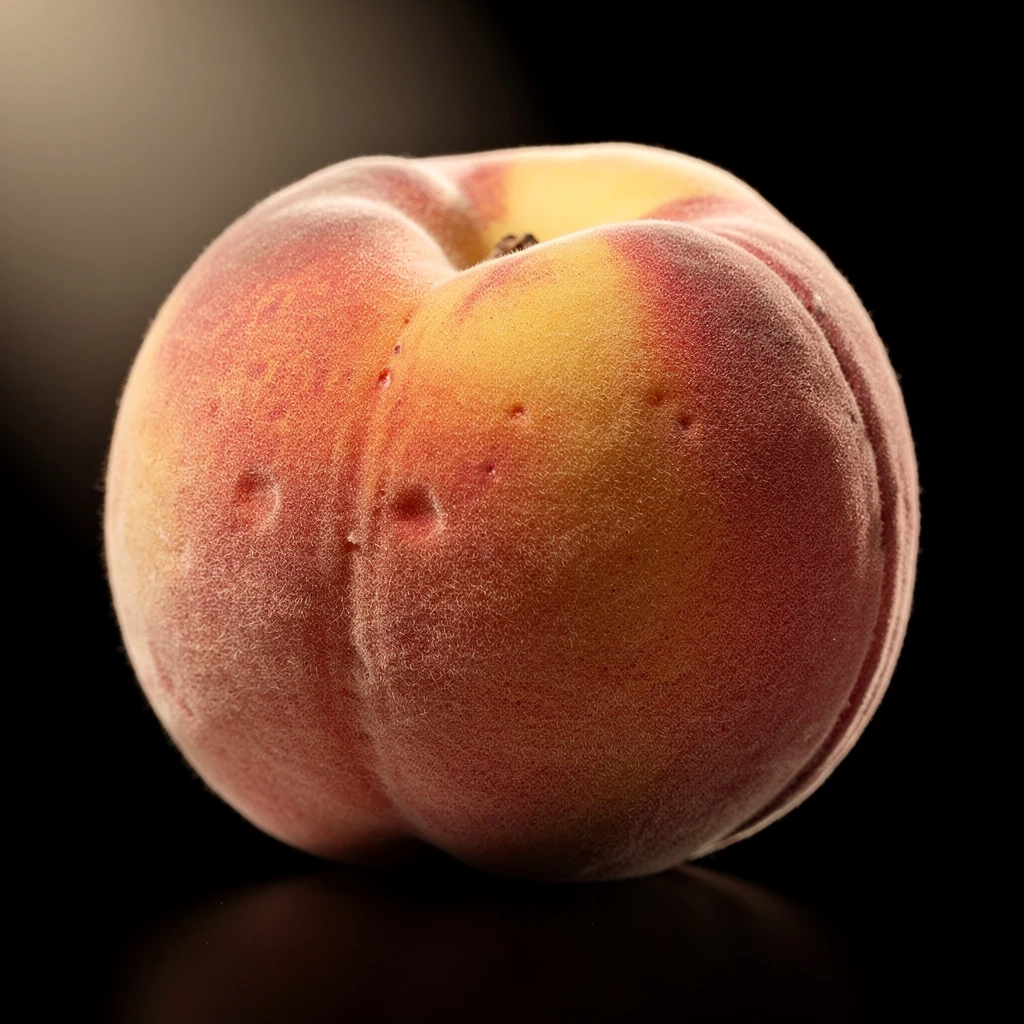
The bitter almond bloom of windswept hedgerows.
Blackthorn wood burns at temperatures exceeding 900°C, making it prized for smudging and smoking spirits, though this thermal property remains largely unknown outside specialist circles.





Origin
United Kingdom
Blackthorn holds deep significance in Celtic and pre-Christian European traditions, where it represented protection, resilience, and the threshold between seasons. Druids considered the tree sacred, planting it at sacred sites and incorporating its blossoms into spring equinox ceremonies.
Medieval herbalists used blackthorn preparations for oral ailments, though its aromatic applications in perfumery remained largely undocumented until the early 20th century. The plant's association with winter's end made it a natural candidate for spring-themed fragrances as perfumery evolved.
French and British perfumers first experimented with blackthorn absolute in the 1920s, though sustainable sourcing challenges limited widespread adoption. Today, the ingredient experiences renewed interest among naturals-focused perfumers seeking to capture untamed European landscapes.
Wears it best
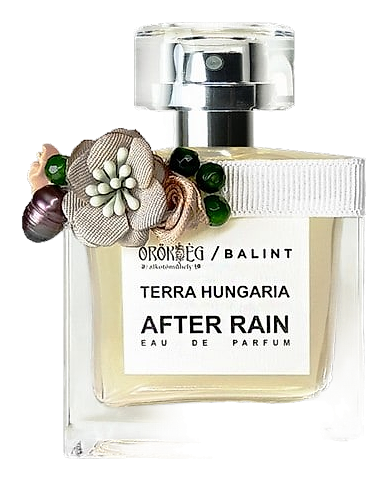
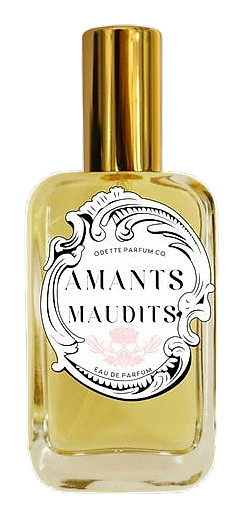
Fragrances featuring Blackthorn
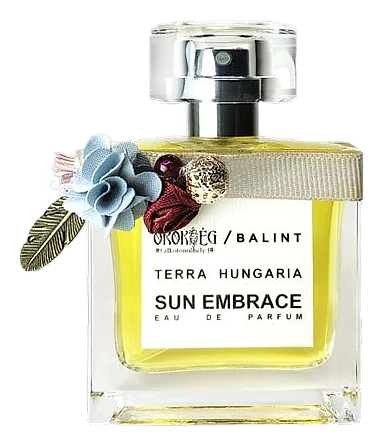

Brands
Brands known for Blackthorn
Good to know
Questions, answered
The essentials on Blackthorn in perfumery: how it smells, where it comes from, and how it behaves on skin.
What does blackthorn smell like?
Blackthorn absolute presents as a complex marriage of bitter almond, tart sloe berry, and ephemeral white floral notes. The scent carries green, almost rainy undertones reminiscent of crushed stems and morning frost. It reads simultaneously fruity, nutty, and gently floral.
Is blackthorn the same as sloe?
They share the same botanical species (Prunus spinosa) but differ in plant part and application. Sloe refers to the small dark purple berry used in preserves and gin. Blackthorn in perfumery typically means the absolute from flowering twigs, offering a floral aromatic profile rather than the berry's fruity taste.
Why is blackthorn so rare in perfumery?
The extreme scarcity stems from two factors: a harvest window of just 5-10 days during early spring flowering, and a very low extraction yield of 0.1-0.3%. Combined with the need for hand-harvesting hedgerow material, commercial production remains economically challenging.
Which fragrances feature blackthorn?
Blackthorn appears primarily in niche and artisan fragrances. Notable examples include L'Artisan Parfumeur ChÉwre du Dragon and several limited-edition releases from British perfumers. Most major houses have not adopted it due to supply constraints.
Can blackthorn be synthetically replicated?
While synthetic benzaldehyde captures the bitter almond note, no single molecule replicates blackthorn's full complexity. Blends of heliotropin, floral absolutes, and green aldehydes attempt approximation, though naturalists consider these inadequate substitutes.
What seasons does blackthorn evoke?
Blackthorn uniquely captures late winter transitioning into early spring. Its scent holds the tension between dormancy and renewal, making it suitable for fragrances intended to evoke March landscapes, frost-melt moments, and the first tentative warmth.
Is blackthorn sustainably sourced?
Sustainable sourcing varies by producer. Ethical suppliers harvest hedgerow material in rotation, leaving sections to regenerate and avoiding root damage since blackthorn regenerates from root suckers. Wildcrafting without management depletes populations over time.
How does blackthorn differ from hawthorn?
Though both are Rosaceae family members, hawthorn (Crataegus) offers sweeter, more honeyed floral notes while blackthorn presents sharper, more bitter almond and green facets. Hawthorn blooms slightly later, and the botanical distinction translates to noticeably different aromatic profiles.