The Story
Why it exists.
The beginning
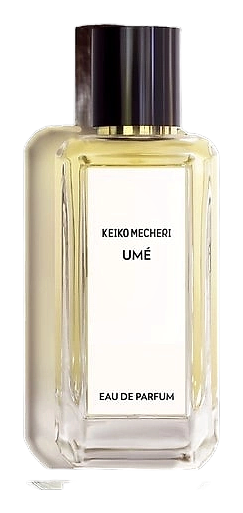
Rodrigo Flores-Roux looked to the 1920s for Ume, not the Jazz Age recklessness, but its quieter ambition. The dandies of Algiers, post-war, dressed to the nines for no particular occasion. Wild elegance as a baseline state. The name comes from the Japanese plum, ume, which blooms in late winter when nothing else dares. In Japan, alongside cherry blossom, it announces spring before anyone is ready for it. That contradiction, beauty arriving before its welcome, elegance as an act of defiance, became the fragrance's spine.
What makes Ume structurally unusual is its collision of fruity and chypre without the usual compromise. Plum brings sweetness and a slight tartness; osmanthus adds a apricot-tea nuance that most perfumers treat as fragile. Here, Flores-Roux doesn't protect it. The precious woods, hinoki, mahogany, provide a framework that lets the floral fruit stay itself rather than being cushioned into submission. Wisteria, specifically Japanese wisteria, contributes a grape-floral lift that keeps the heart from going syrupy. The result is a composition that feels both delicate and certain of itself, vintage in structure but contemporary in its refusal to apologize for being pretty.
The evolution
The first thirty minutes belong to citrus and plum together, bergamot lifting the tartness, yellow mandarin adding a brief warmth before the florals take over. Wisteria announces itself around the hour mark, not as a solo performer but as part of a trio with jasmine and osmanthus. The transition is smooth; there's no moment where the fragrance switches gears. The woody base begins its work around hour three, hinoki and mahogany emerging through the florals rather than replacing them. Patchouli and oakmoss add a quiet earthiness that keeps the sweetness from ever becoming sticky. By hour six, the sillage has settled to something intimate, present for the wearer, noticed by anyone who gets close. The final hours belong to a soft wood-moss residue, barely there but unmistakable the next morning on unwashed skin.
Cultural impact
Ume occupies an interesting position in the niche landscape: it's been in continuous production since 2003, which is rare for an independent house. The 1920s inspiration places it in conversation with classic chypres, but the Japanese floral elements, particularly wisteria and the ume plum, keep it from feeling retro. Wearers describe it as the fragrance for someone who wants to be remembered without being announced.