Ume
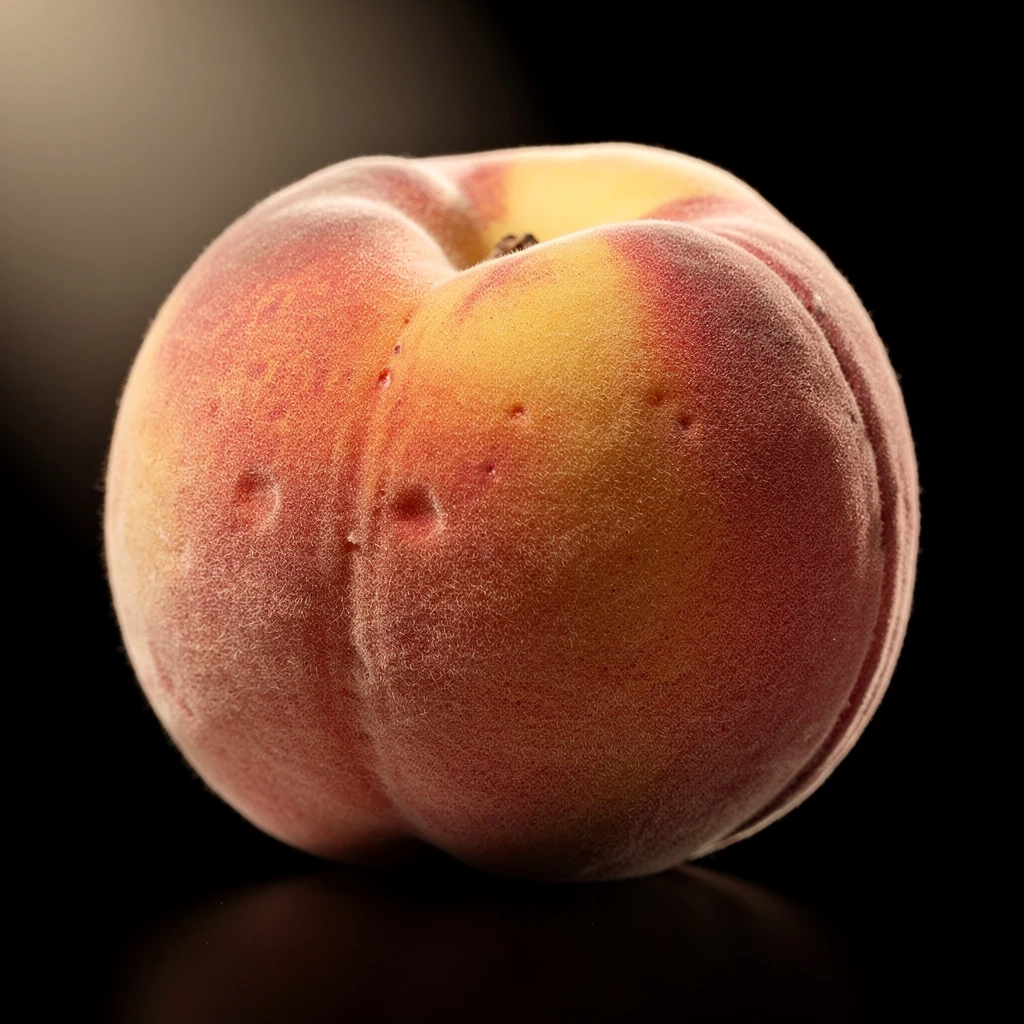
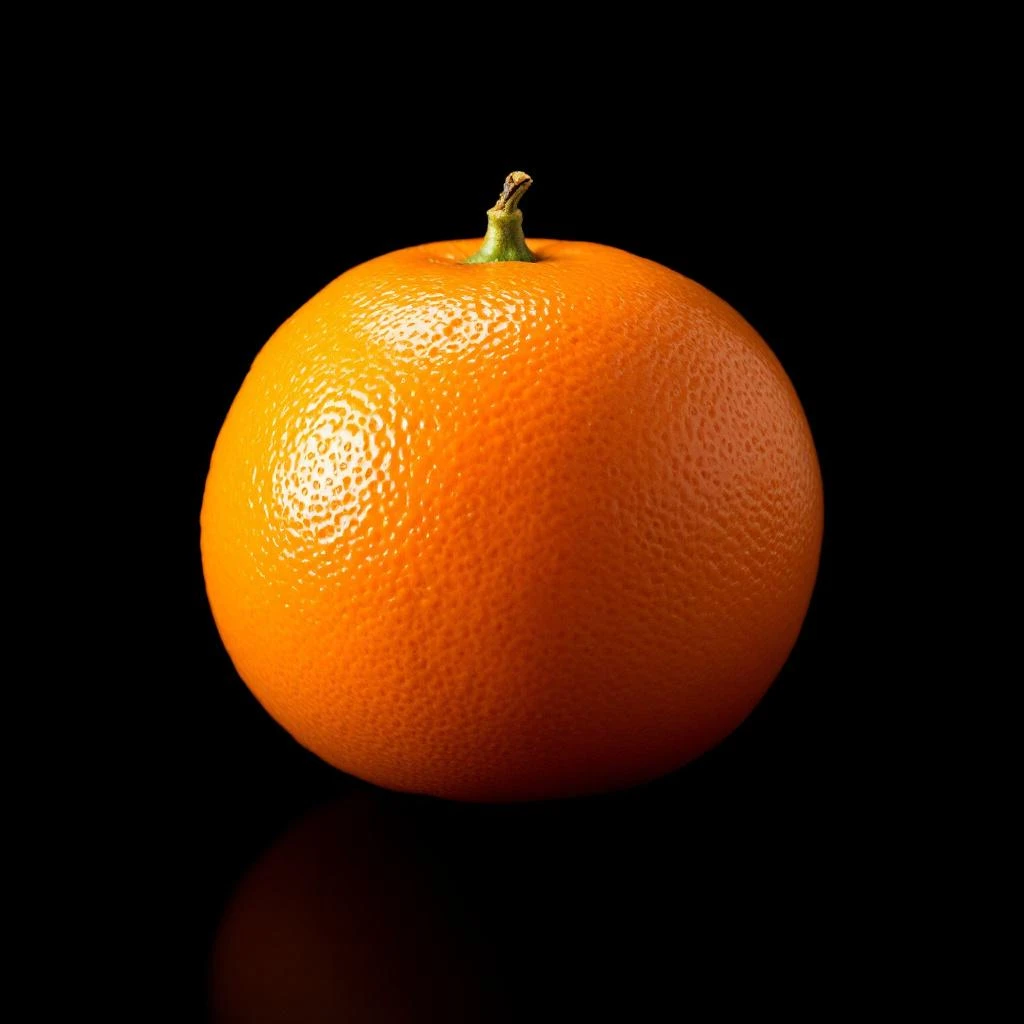
Ume, the Japanese apricot, yields a tart, floral essence prized in perfumery. Note creators typically reconstruct its complex character through synthetic aromatic compounds, as natural extraction remains rare and costly.
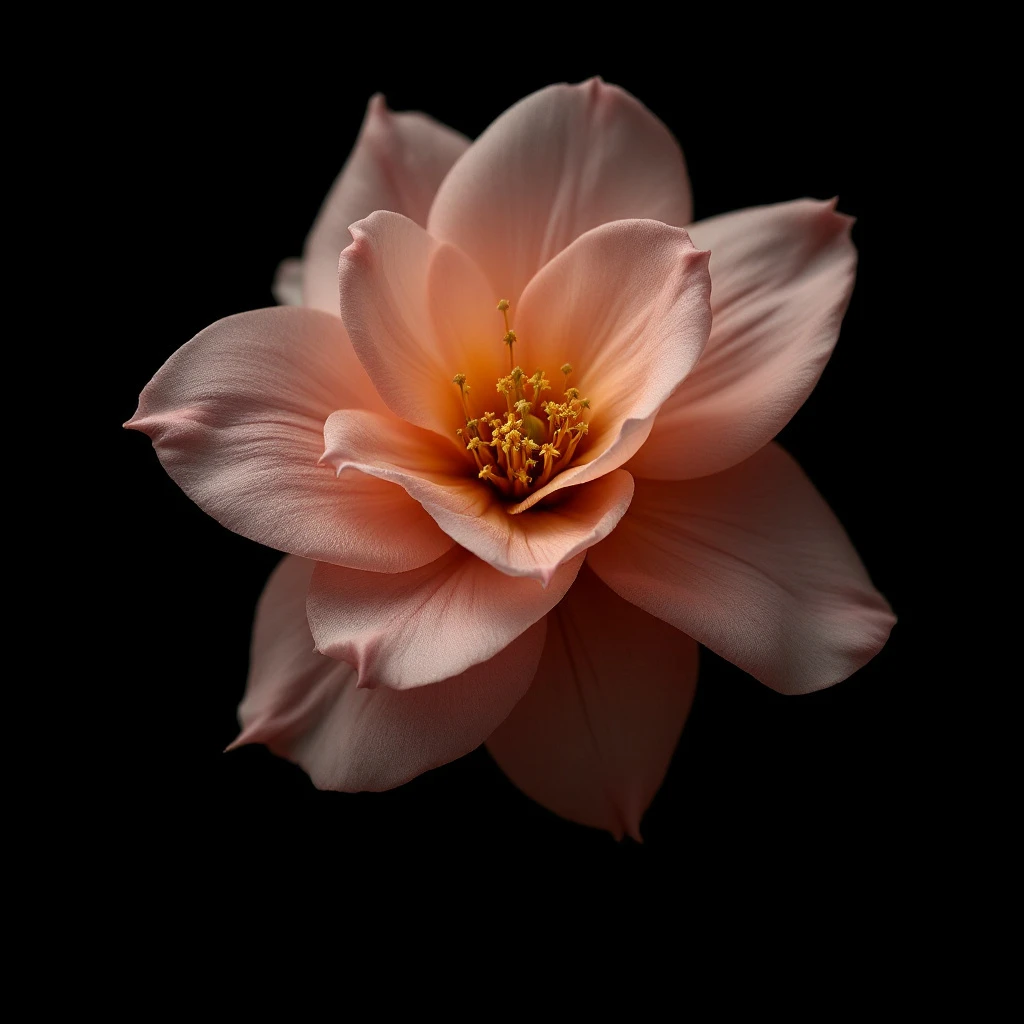
Character
How it smells
The plum that blooms before spring arrives.
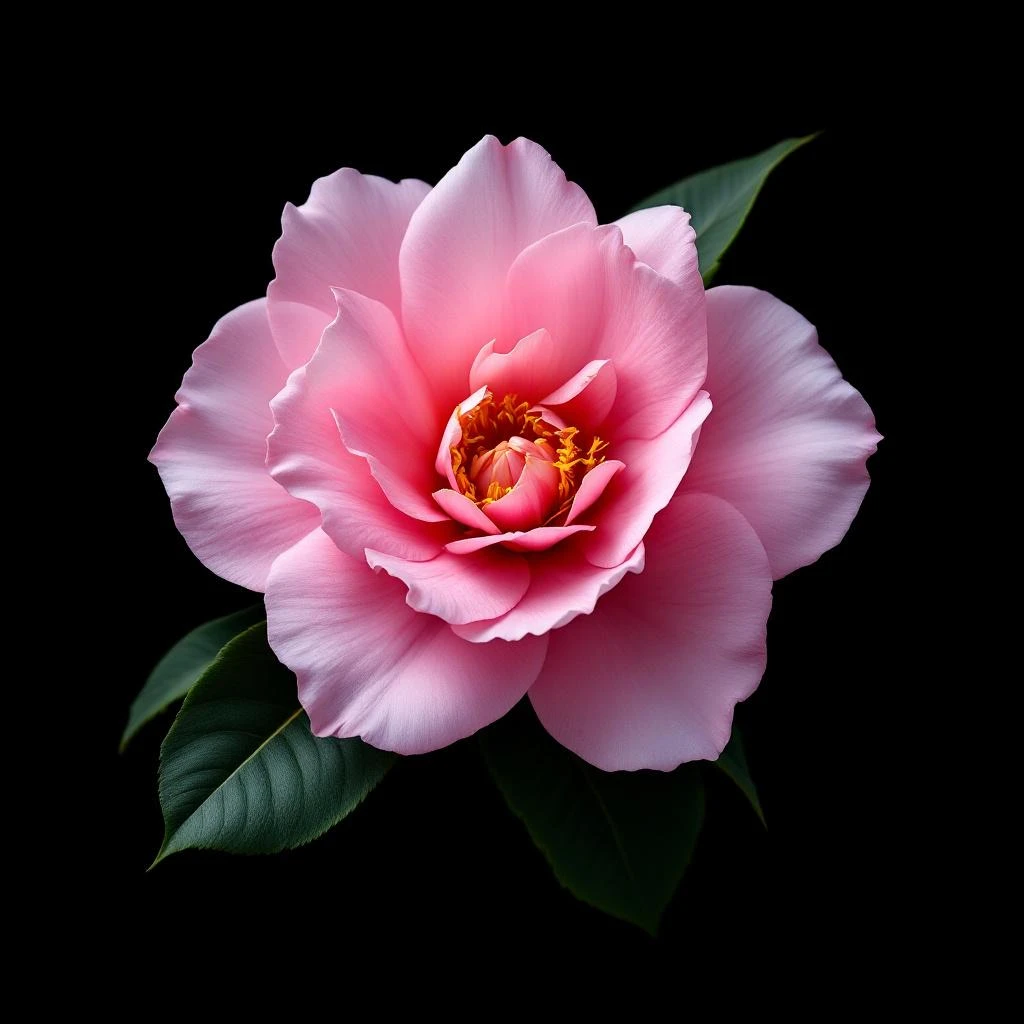
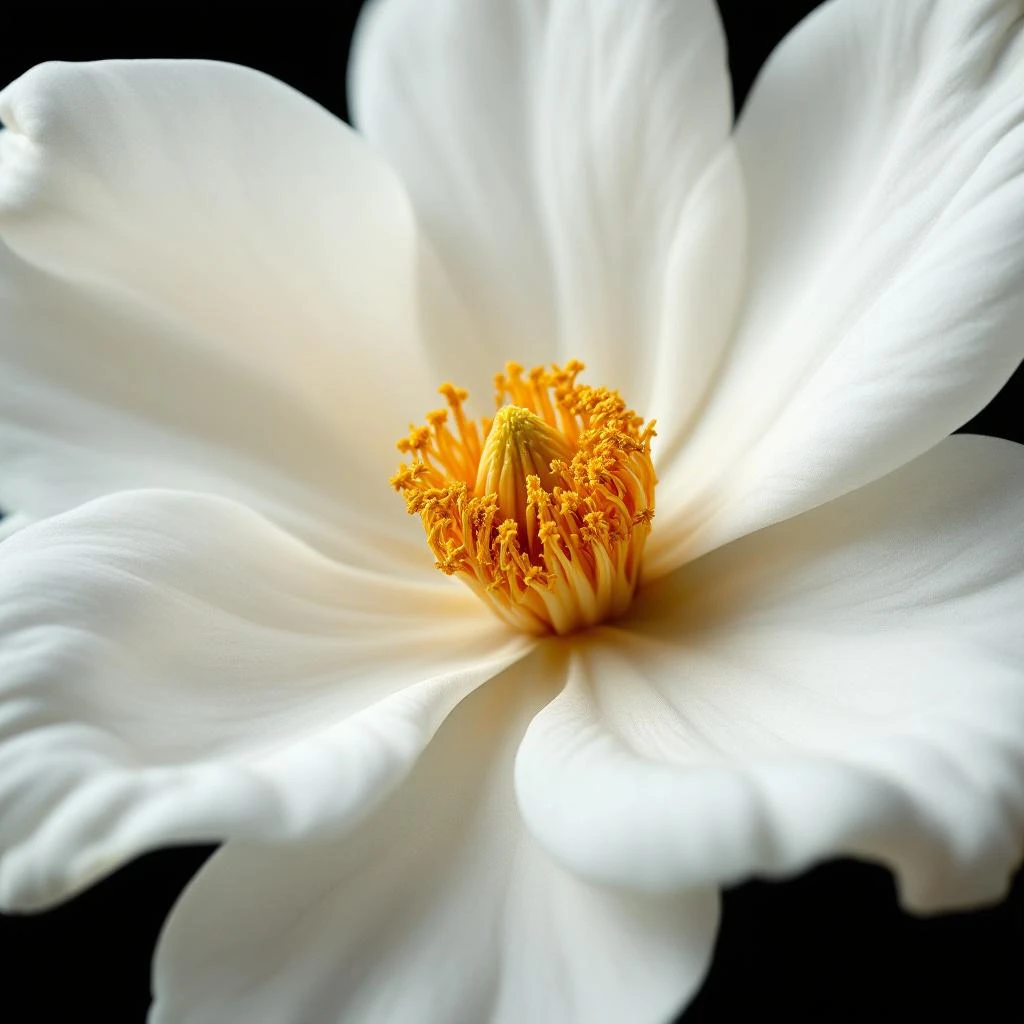
Ume trees flower in late winter, often while snow still blankets the ground, making them symbols of perseverance in East Asian cultures.





Origin
China
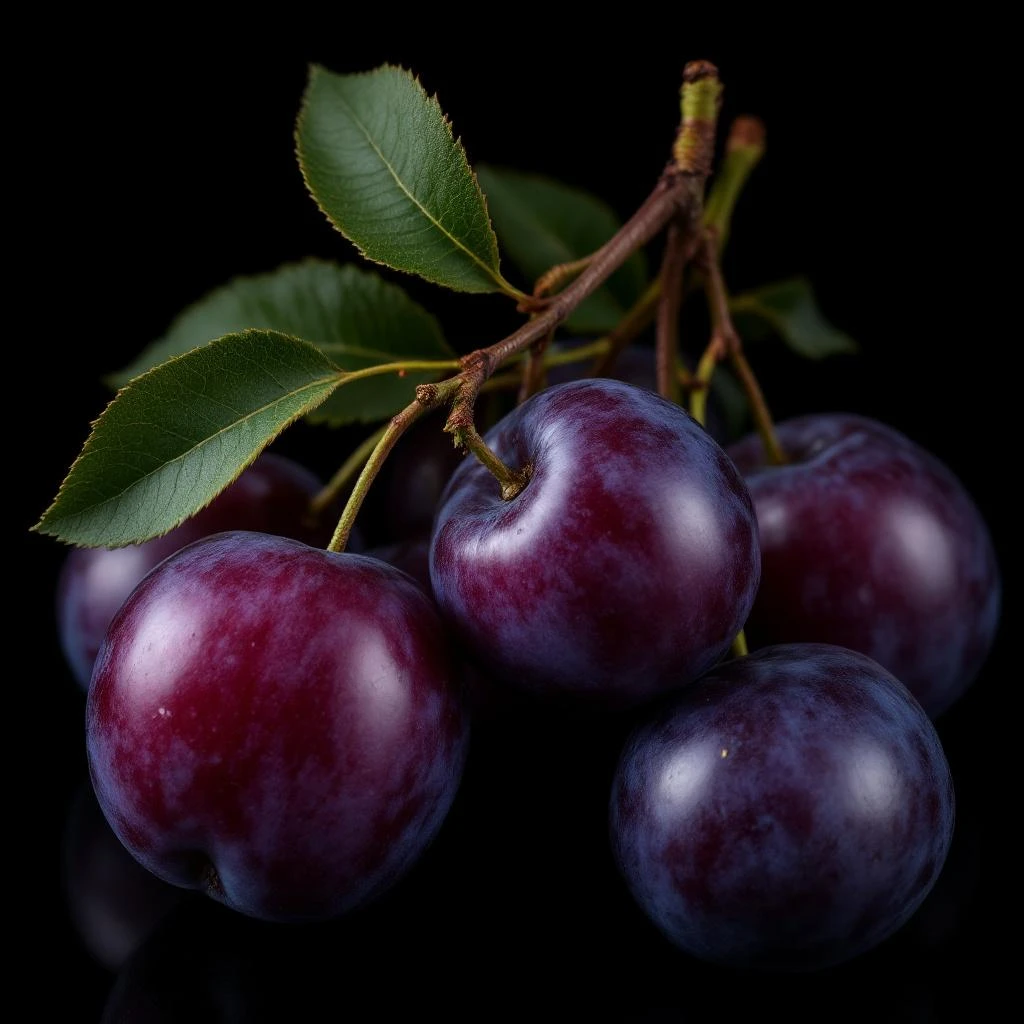
Ume (Prunus mume) originated in China more than 3,000 years ago before spreading to Korea and Japan. The plant held significant status in East Asian medicine, where practitioners used fermented plum preparations called umeshu for digestive ailments and fatigue. Japanese poets featured ume blossoms in verse as early as the Heian period (794-1185), cementing the flower's place in cultural tradition.
The fruit's sharp acidity made it valuable for preservation, and umeboshi (pickled plum) became a dietary staple across the region. Perfumery adopted ume as a note in the late 20th century as Western fragrance houses began exploring fruity accords beyond the standard citrus and berry palette, finding its complex profile offered something uniquely layered compared to other fruit notes.
Wears it best
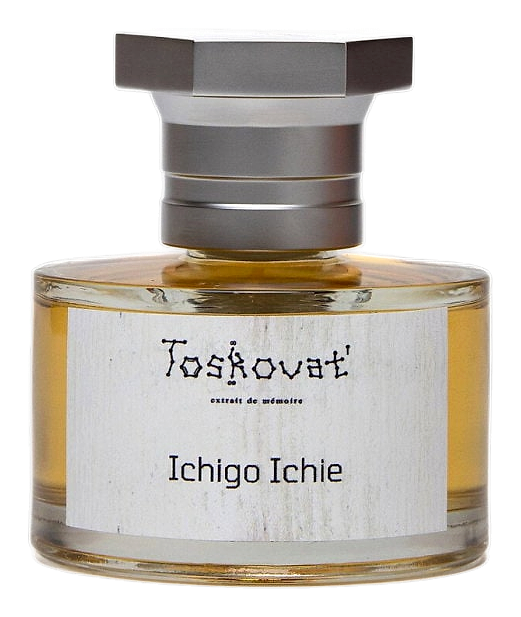
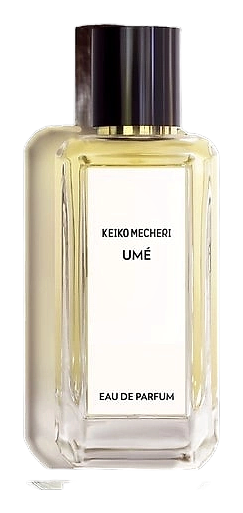
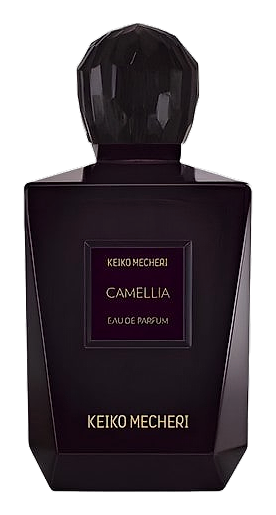
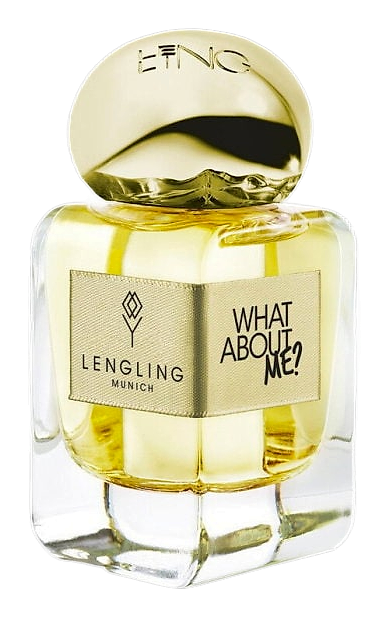
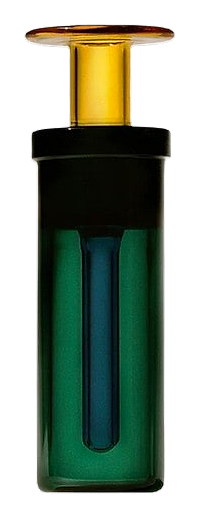
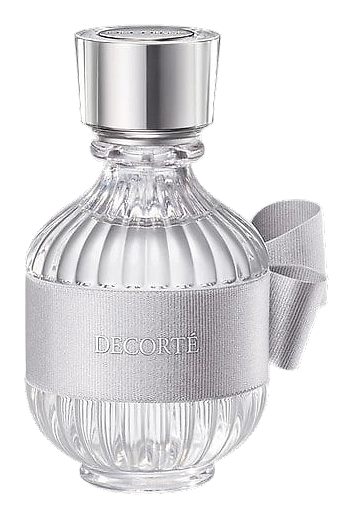
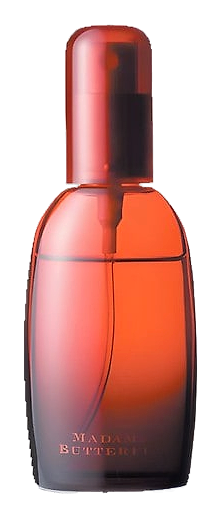
Fragrances featuring Ume
Brands
Brands known for Ume
Good to know
Questions, answered
The essentials on Ume in perfumery: how it smells, where it comes from, and how it behaves on skin.
Is ume a natural ingredient in perfume?
Most ume notes in perfumery are synthetic reconstructions. Natural ume absolute exists but costs prohibit widespread use. Perfumers combine materials like benzaldehyde, fruit esters, and floral compounds to recreate the characteristic tart-floral profile.
What does ume smell like in fragrance?
Ume combines tart acidity with sweet fruitiness and faint floral almond notes. The result resembles a blend of ripe plum, apricot, and marzipan, with a distinctive sharpness that differentiates it from other stone fruit notes.
What family does ume belong to in perfumery?
Perfumers classify ume as a fruity note, specifically within the stone fruit subcategory alongside peach and apricot. It adds complexity to both women's and gender-neutral fragrances, particularly in spring and summer collections.
What perfumes feature ume as a dominant note?
Several Japanese perfume houses use ume prominently, including Shiseido and Kenzoki. Western houses like Jo Malone and Diptyque have incorporated ume into seasonal releases, often pairing it with floral or green tea elements.
Does ume work well with other fragrance ingredients?
Ume pairs excellently with green tea, white musk, cherry blossom, and citrus. The note also complements oriental ingredients like sandalwood and amber, adding a fruity brightness that prevents heaviness.
When did ume first appear in commercial perfumery?
Japanese perfume houses began featuring ume prominently in the 1990s as domestic fragrance culture matured. Western adoption followed in the 2000s, driven by consumer interest in unique fruit notes beyond standard citrus.
Is there an ume blossom note separate from ume fruit?
Yes, perfumers distinguish between ume blossom and ume fruit accords. Blossom notes tend toward delicate floral and slightly bitter characteristics, while fruit notes emphasize sweet-tart juiciness. Both draw from similar aromatic profiles but achieve distinct impressions.
How long does ume last on the skin?
Ume typically functions as a top to heart note, lasting 2-4 hours depending on concentration and formulation. Blended with fixatives like musks or woods, the note can extend its presence in the fragrance's development.