The Story
Why it exists.
The beginning
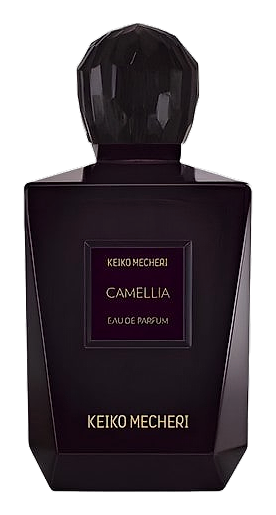
Keiko Mecheri launched Camellia in 2011, part of a period of concentrated creativity for the Beverly Hills house. The brand had spent the previous decade refining its voice through candle and body care collections before translating that expertise into personal fragrance. Camellia arrived alongside Attar de Roses, showing two different approaches to floral: one rooted in the dramatic depth of rose absolute, the other exploring the quieter territory of white and pink blooms. The timing reflected a moment when niche perfumery was beginning to attract collectors who wanted compositions with a point of view, not just a pleasant smell. Camellias themselves are often prized more for their visual beauty than their scent, which gave the perfumer an unusual creative brief: build a fragrance around an absent note, letting magnolia and white tea carry what the namesake flower could not.
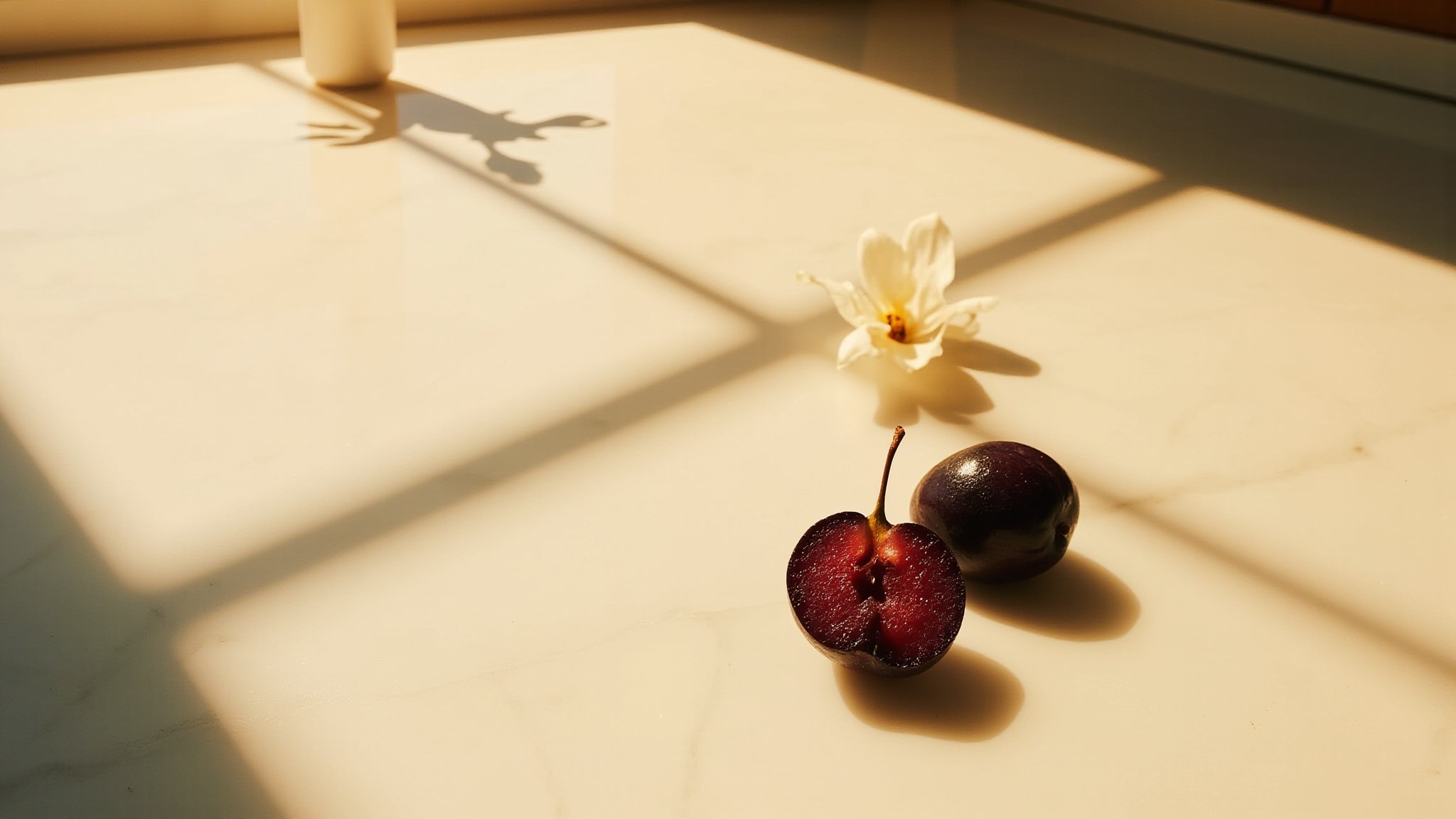
The choice of magnolia as the dominant flower is telling. Unlike tuberose or gardenia, which dominate their compositions, magnolia here doesn't shout. It occupies space without filling it. The white tea note functions as a bridging element, providing the clean, slightly astringent quality that prevents the floral from becoming heavy. Tart plum adds an unexpected counterpoint, introducing a fruity brightness that keeps the composition from settling into pure powder. The ume (Japanese plum) in the heart notes reinforces this: a small nod to the East Asian influences that surface throughout the Keiko Mecheri line, even in compositions that read as thoroughly Western in execution.
The evolution
The opening arrives bright, almost startling in its clarity. Plum's tartness hits first, sharp and juicy, before magnolia swells to meet it. There's a brief moment where the two compete for dominance, a quiet negotiation that resolves in magnolia's favor. White tea appears around the fifteen-minute mark, threading coolness through the floral heart like ice in a glass of still water. This phase lasts roughly two hours, the composition holding its shape without significant drift. Then amber begins to emerge from below, warming the edges. Woods follow, soft and unobtrusive, lifting what could have been a purely ephemeral scent into something that lingers. On fabric, Camellia will still be detectable the next morning, faint and intimate, like a memory you can't quite place.
Cultural impact
Camellia arrived in 2011 during a period when niche perfumery was developing its own language, distinct from both mass-market accessibility and heritage luxury. The house positioned itself toward collectors who discovered niche through curiosity rather than inherited taste. Camellia's restrained floral approach reflects this sensibility: confident enough to avoid the obvious choices, quiet enough not to alienate newcomers. The fragrance never achieved wide distribution and has since been discontinued, which has given it a minor cult status among collectors who value finding scents that others cannot.