
The Story
Why it exists.
The beginning
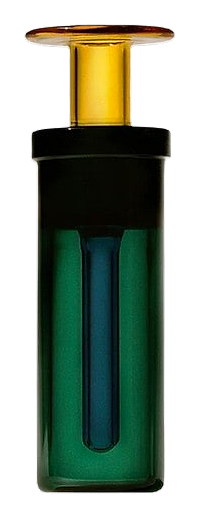
Barnabé Fillion built Recedere from a single observation: the micro movements of the blue hyacinth blossom in Brussels' forests. Not the flower itself, the space around it, the way it trembles. That fleeting quality became the fragrance's spine. Ume and licorice arrive like a breath before speech, brief and purposeful, then yield to a heart of neroli and styrax that carries the weight of the composition. The result is something that refuses to announce itself, a fragrance more interested in atmosphere than impact.
What makes Recedere unusual is the wet plaster. It's not a note you encounter often, it reads as mineral, slightly chalky, the smell of old walls and cave mouths. Here it anchors the moss and cedar, preventing the composition from becoming merely green or earthy. The wet plaster acts like negative space in architecture: you don't notice it until it's gone, and then everything collapses inward. Neroli adds a bitter-floral edge that cuts through the sweetness of the ume, keeping the opening honest rather than precious. Styrax brings a smoky, slightly leathery quality that ties the forest floor to something older, almost prehistoric.
The evolution
The opening is brief, ume and licorice arrive together like a question, sweet and slightly medicinal, before dissolving within the first twenty minutes. What replaces it is the real story: a cool, mossy wave that smells like rain on stone. The cedar doesn't announce itself immediately; it waits, gathering strength beneath the moss and wet plaster, until around the two-hour mark when it surfaces and holds. The drydown is close to the skin, intimate, the kind of scent that someone standing near you might notice before you do. On fabric, it lingers for a full day, the cedar and moss eventually merge into something warm and indefinite, the smell of a room you've left but that still holds your shape.
Cultural impact
Recedere sits in a specific corner of niche perfumery: the austere, the contemplative, the quietly confident. It shares DNA with Arpa's other compositions and with Aesop's more austere work, but the wet plaster sets it apart. Wearers tend to describe it as the scent of someone who doesn't need to be noticed, which, in a market saturated with fragrances designed to announce arrival, is its own kind of statement.