The Story
Why it exists.
The beginning
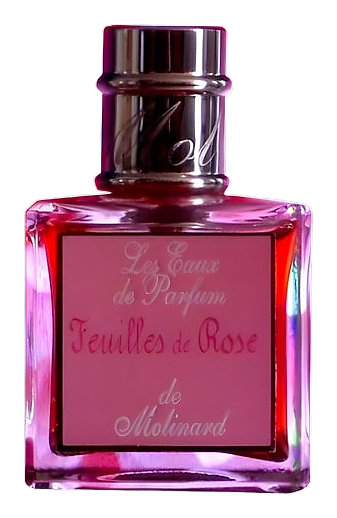
Feuilles de Rose arrived in 2003 as Molinard's statement about what a rose fragrance could be. The title means rose leaves, not petals, not bloom, not the expected sweetness of the flower itself. The house wanted the whole plant. Green stems and fruit and the quiet warmth underneath. By 2003, Molinard had spent over a century building compositions in Grasse, and this one reads like a reminder: the best roses grow from soil.
What makes Feuilles de Rose unusual is how it refuses to separate green from sweet. Apricot and peach leaf open with a fruitiness that feels sun-warmed, not synthetic, then green notes cut through before you can settle into it. The Bulgarian rose heart doesn't arrive all at once. It builds slowly, taking space from the green, earning its position. Black pepper appears as warmth rather than spice, a background heat that keeps the rose honest. Ylang-ylang and jasmine add cream without tipping into florality that feels decorative. This is a rose that knows it has roots.
The evolution
The opening arrives crisp. Apricot, green stems, the faint sweetness of peach leaf, a garden in morning light before the heat settles. It lasts clean for maybe twenty minutes, then the Bulgarian rose begins its slow claim. Ylang-ylang softens the transition; jasmine adds weight without becoming heavy. Black pepper keeps things warm, unexpected, like stepping into a room where the windows are open. The base is where Feuilles de Rose earns its reputation for longevity, eight to ten hours on most skin, vanilla and musk combining into something that stays close without becoming intrusive. The drydown doesn't disappear. It softens, settles, becomes part of the wearer's warmth rather than a separate presence.
Cultural impact
Molinard, the Grasse house founded in 1849, positioned Feuilles de Rose as a statement about what rose could mean outside the precious, romantic tradition. The 2003 launch arrived during an era of maximalist floral releases, and this composition offered a quieter counterpoint: green stems over petals, apricot over powder, botanical honesty over opulence. The fragrance belongs to a moment when niche houses began challenging mainstream rose conventions, and its sustained presence since 2003 reflects a readership that valued restraint. Molinard's five-generation stewardship in Grasse informs the composition's patience, the way it asks wearers to wait for the rose rather than delivering it immediately.