The Story
Why it exists.
The beginning
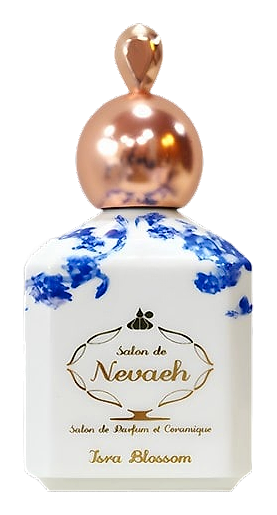
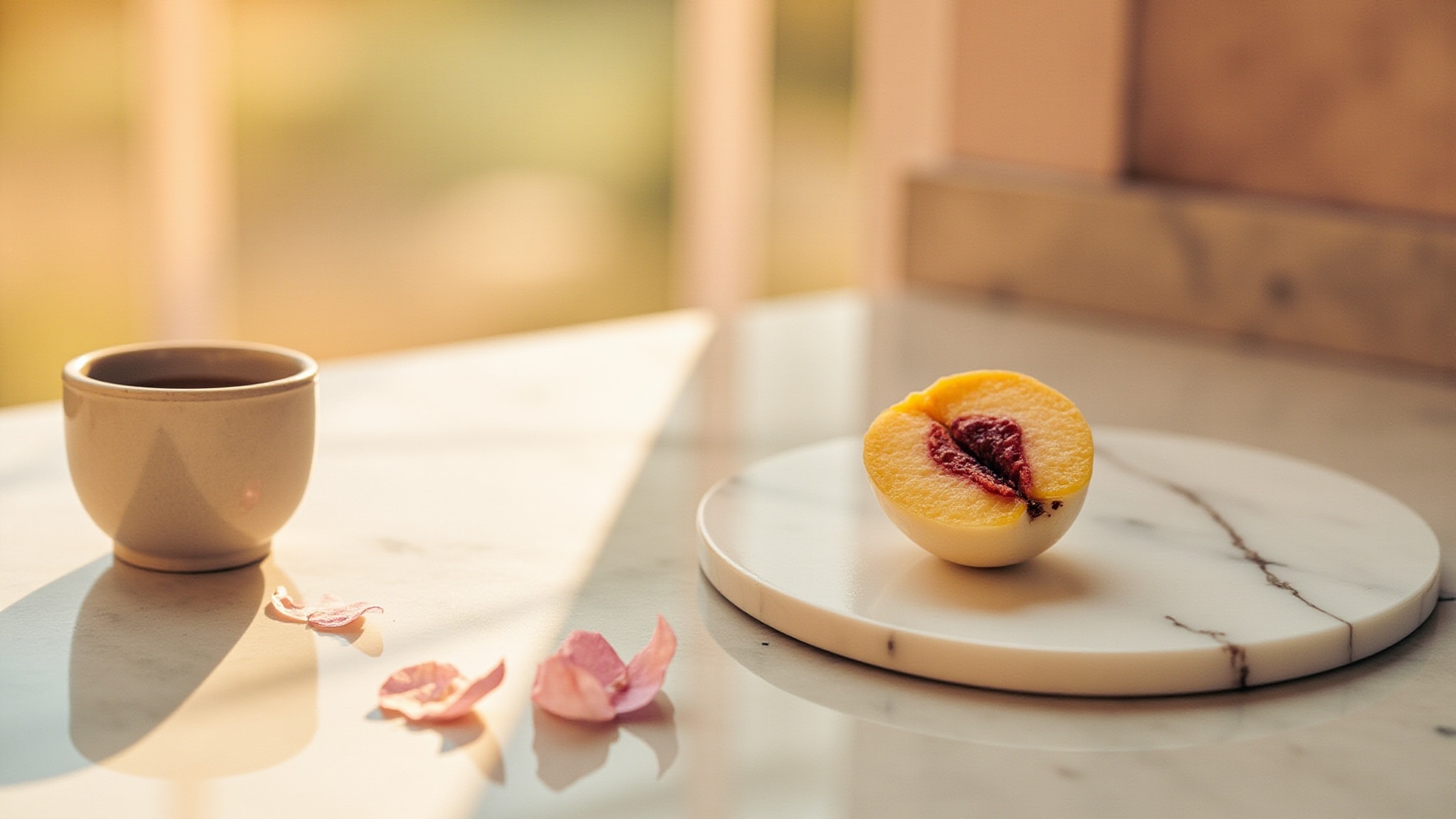
Isra Blossom translates to the original Korean cherry blossom tree, the one that covers hillsides in those delicate pink flowers for two weeks every year. The name itself signals something intentional: not a metaphor for spring, but spring distilled. The house built this fragrance around that brief window when cherry blossoms become the whole landscape, when the air itself carries the scent of something ephemeral. White peach brings the sweetness. Apricot keeps it honest.
What makes this composition interesting is the apricot, unripe, tart, green. Without that counterpoint, the sweetness would float away entirely. Mango and blueberry push deeper into tropical territory, but restrained, as if someone is describing fruit from memory rather than eating it. The base of apple and freesia grounds the florals, while musk and amber provide warmth underneath everything. Plum is the quiet finishing note that makes skin smell like it was always this good.
The evolution
Opens with anemone, peach leaf, and white pear. The lemon appears briefly, a flash of citrus before the cherry blossom arrives. Twenty minutes in, the heart blooms, apricot and mango with a blueberry softness underneath. The composition holds here longer than expected, softening as it warms against skin. The base emerges slowly: apple first, then freesia, then a settling of musk and amber that rounds everything into something powdery and close. Plum lingers as the final note, almost a whisper on skin hours later.
Cultural impact
Since 2018, Isra Blossom has quietly become a reference point for Korean-inspired spring fragrances. It occupies a specific niche: not a literal cherry blossom interpretation, but something that captures the Korean aesthetic sensibility, delicate, refined, powdery, without falling into tourist-friendly cherry blossom tropes. The unisex appeal and year-round wearability have made it a quiet staple for those who want something Korean without it being obvious.