White Pear
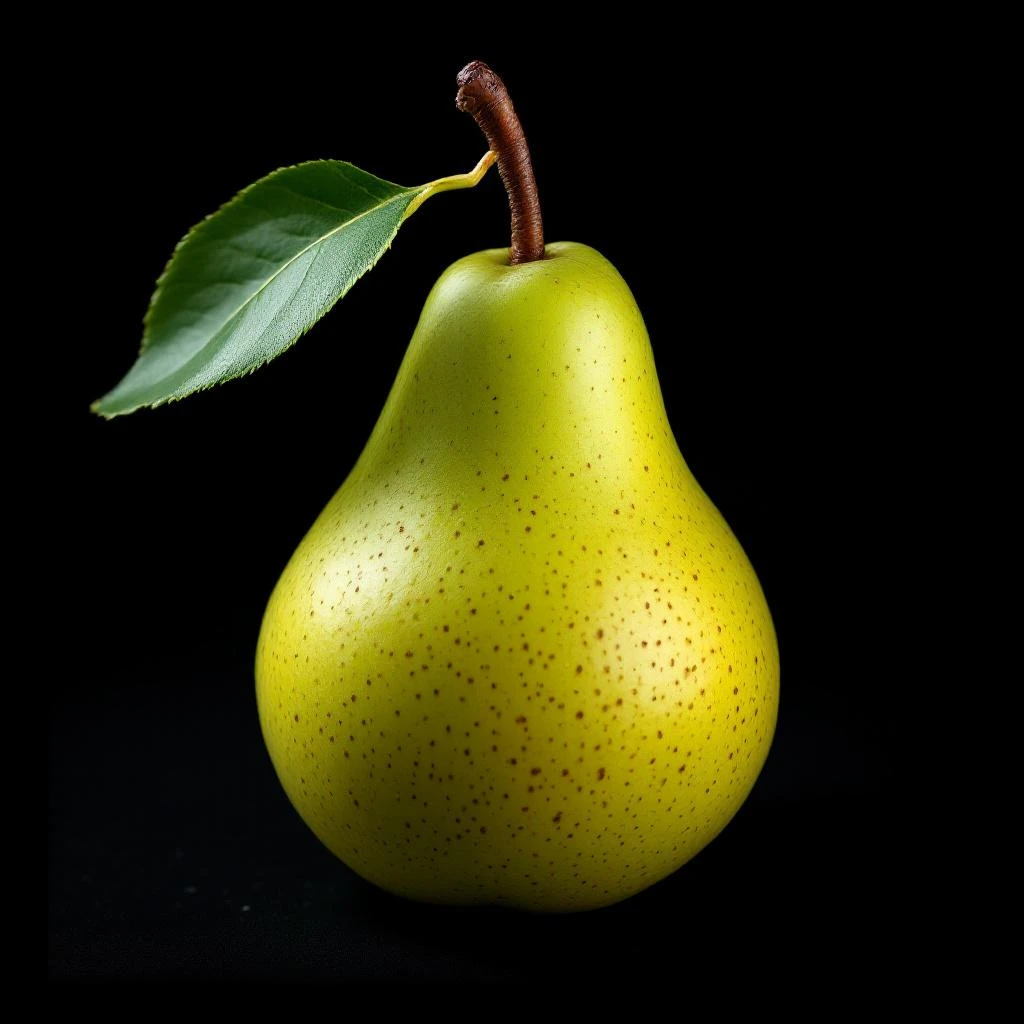
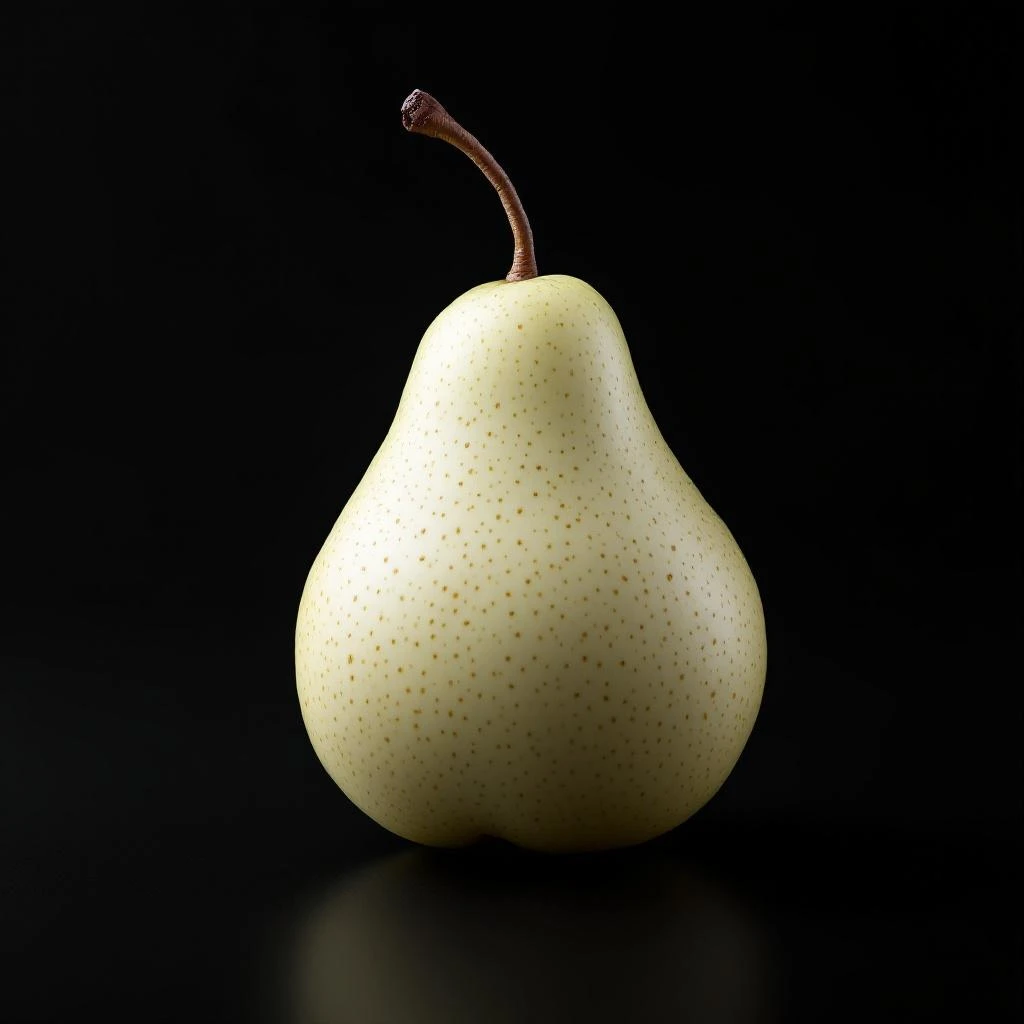
The delicate, translucent sweetness of white pear captures the moment a ripe fruit is cut open: cool, aqueous, gently floral. In perfumery, white pear serves as an elegant bridge between fruity freshness and soft floral warmth, lending an air of natural sophistication to heart and top notes alike.
Character
How it smells
Delicate fruit sweetness that captures the scent of a perfectly ripe pear.
Homer described pears as a gift from the gods, reflecting the reverence ancient Mediterranean cultures held for this fruit.








Origin
South-eastern Europe
Pears belong to the Rosaceae family and originated in south-eastern Europe, where ancient Greeks and Romans treasured them as culinary and medicinal fruits. Homer described pears as a gift from the gods, reflecting the reverence Mediterranean cultures held for this fruit.
Medieval Europeans considered pears a luxury item for nobility, and widespread cultivation across the continent did not begin until the 17th century. Islamic traders played a significant role in spreading pear cultivation across regions, while advances in fragrance chemistry during the late 1800s eventually made it possible to capture pear's delicate scent through synthetic reconstruction.
Wears it best
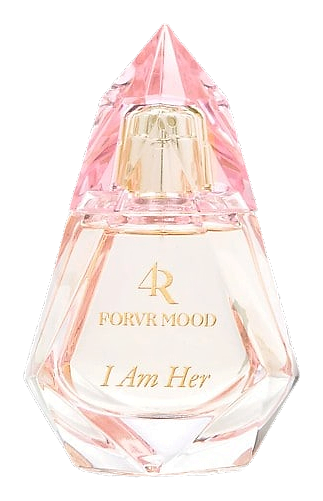
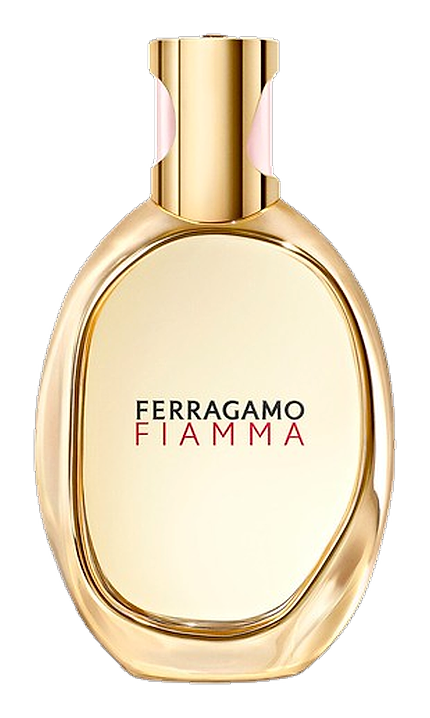
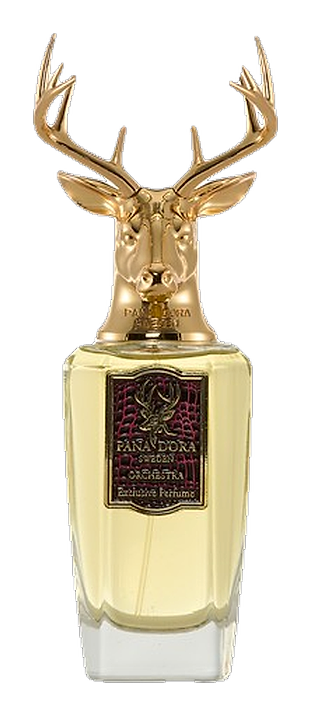
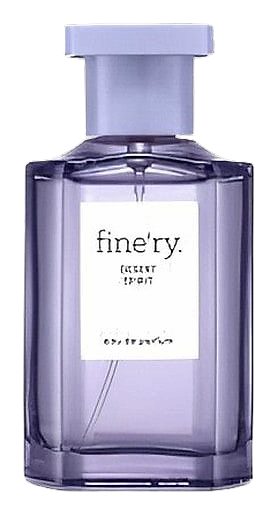
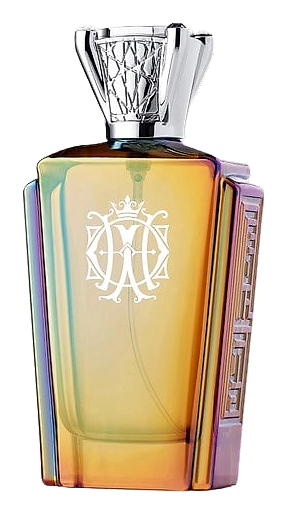
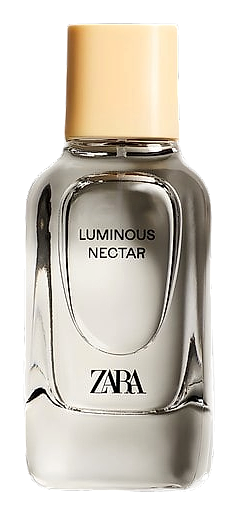
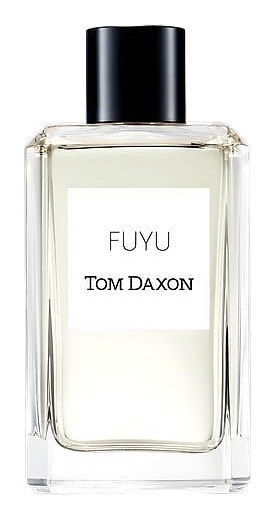
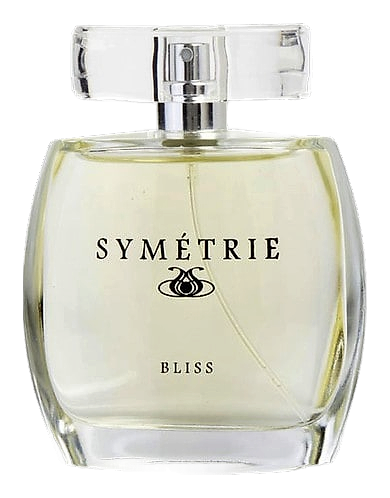
Fragrances featuring White Pear
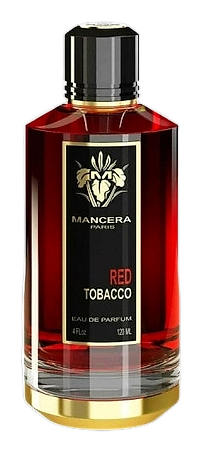
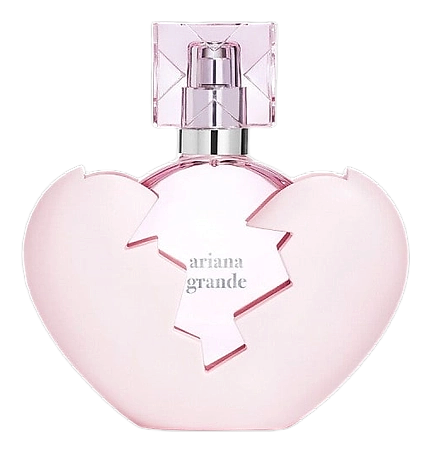
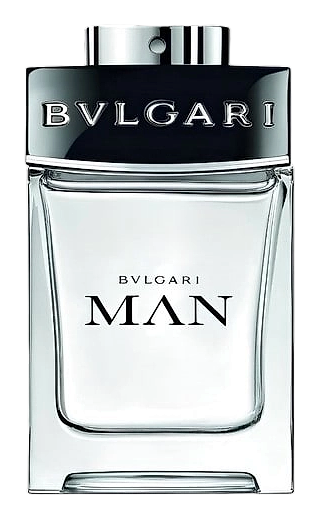
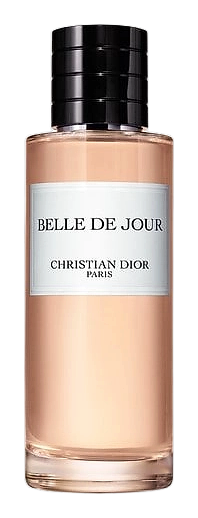
Brands
Brands known for White Pear
Good to know
Questions, answered
The essentials on White Pear in perfumery: how it smells, where it comes from, and how it behaves on skin.
What is white pear in perfumery?
White pear is a reconstructed fruity note that captures the scent of a ripe, freshly cut pear. Perfumers create it synthetically by identifying and reproducing key aroma compounds found in white pear varieties. It adds delicate sweetness and watery freshness to fragrance compositions.
How is white pear fragrance material produced?
Perfumers analyze the chemical components in ripe pears to identify molecules responsible for their distinctive scent, then recreate those compounds through organic synthesis. Esters such as ethyl acetate and isoamyl acetate are among the primary aroma molecules reconstructed for white pear fragrance materials.
What does white pear smell like?
White pear offers a cool, watery sweetness with translucent florality. Unlike green pear varieties, which lean into tart, unripe facets, white pear captures the soft, fully ripe character of varieties like Williams pear, lending a gentle, romantic quality to fragrances.
How does white pear differ from green pear in fragrance?
Green pear emphasizes tart, crisp, unripe fruit qualities, while white pear captures the soft, translucent sweetness of fully ripened fruit. Each uses different aromatic reconstructions, allowing perfumers to choose the exact fruity character that suits their composition.
Where did pears originate?
Pears (Pyrus communis) originated in south-eastern Europe as a member of the Rosaceae family. Ancient Greeks and Romans held pears in high regard, and Homer described them as a gift from the gods, reflecting the fruit's prestige in ancient Mediterranean culture.
Is white pear a natural or synthetic ingredient?
White pear fragrance material is produced synthetically. The volatile compounds responsible for fresh pear aroma degrade rapidly after the fruit is cut, making natural extraction impractical. Synthetic reconstruction, which became viable in the late 1800s alongside advances in organic chemistry, allows perfumers to reliably capture pear's delicate scent.
What type of note is white pear in fragrance?
White pear typically functions as a heart or top note, depending on the fragrance construction. It bridges the initial freshness of top notes with the deeper character of the base, adding soft fruity warmth that evolves gracefully as the fragrance develops.
How long have pears been used in perfumery?
Pears have been cultivated and appreciated since ancient Mediterranean civilizations. Greeks and Romans used pears both as food and medicine, and historical records from these cultures demonstrate their awareness of the fruit's pleasant aroma, though true synthetic reconstruction of pear scent did not emerge until modern chemistry advanced in the 1800s.