Anemone
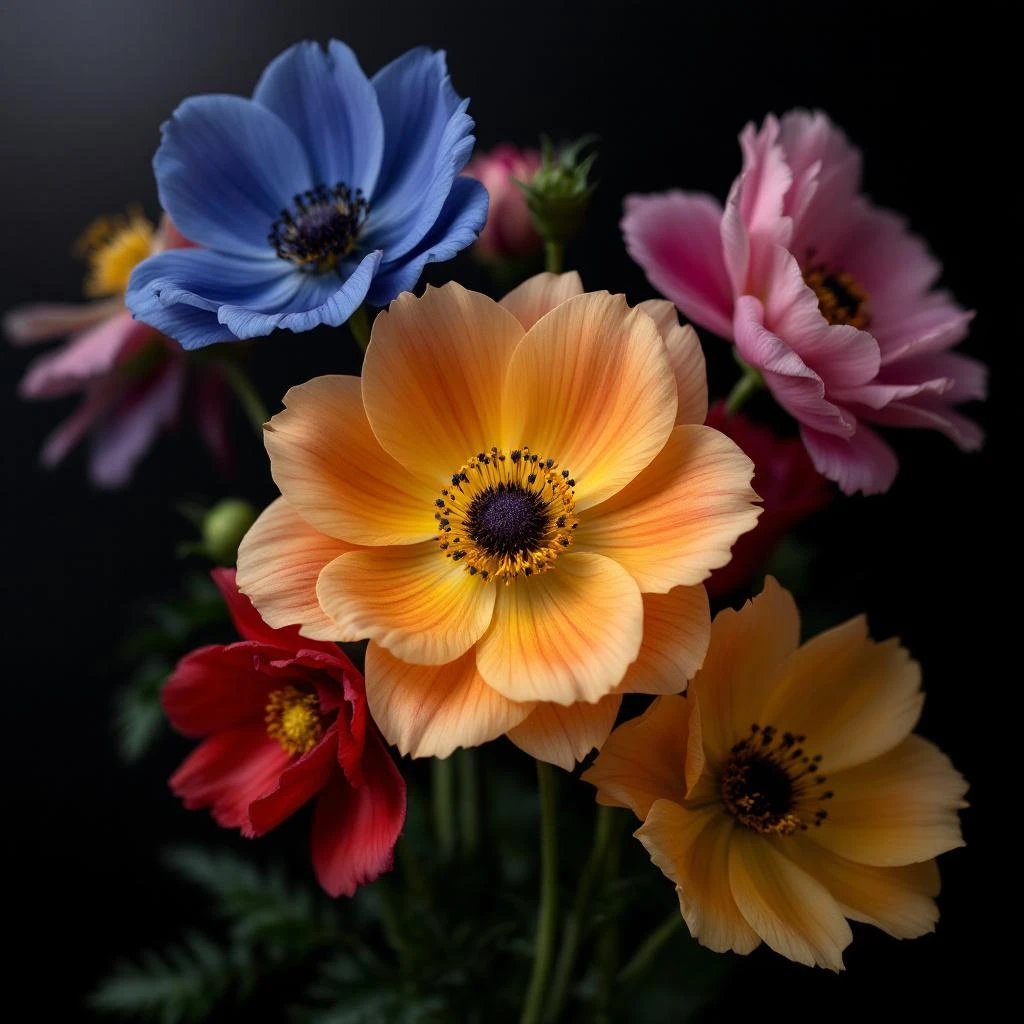
Anemone offers a crisp, green‑fresh aroma with a subtle hint of honeyed earth, evoking the early spring bloom of its delicate petals. Its bright, slightly metallic nuance adds a luminous lift to modern compositions.
Character
How it smells
Bright green‑freshness with a whisper of honeyed earth.
Anemone petals contain a rare compound called anemonin, which transforms into fragrant aldehydes during extraction, making the note both unique and chemically complex.






Origin
Turkey
Anemone has scented temples and gardens since antiquity. Archaeologists uncovered pressed anemone petals in Egyptian burial caches dating to 1500 BCE, indicating early use as a fragrant offering. Greek poets linked the flower to the sea god Poseidon, and its name—derived from the Greek word for wind—reflected the plant’s delicate sway.
In medieval Europe, monastic apothecaries infused anemone petals into scented oils for medicinal balms, believing the flower could calm fevers. The Ottoman Empire exported dried anemone to European courts, where it appeared in royal toilette powders. By the late 19th century, chemists isolated anemonin and recognized its potential as a perfume ingredient, prompting the first laboratory‑scale solvent extractions in France.
Modern perfumers value anemone for its bright, green‑fresh character, and it now appears in niche compositions that celebrate springtime flora.
Wears it best
Fragrances featuring Anemone

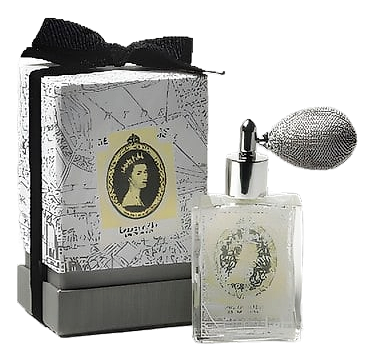
Brands
Brands known for Anemone
Good to know
Questions, answered
The essentials on Anemone in perfumery: how it smells, where it comes from, and how it behaves on skin.
What scent characteristics does anemone provide to a perfume?
Anemone adds a crisp green‑fresh facet with a faint honeyed earth nuance. Analytical GC‑MS of anemone absolute shows dominant aldehydes such as (E)-2‑hexenal, which account for 30 % of the volatile profile. The note brightens top accords while grounding them with subtle earthiness.
Is anemone used as an essential oil or an absolute?
Anemone is supplied primarily as an absolute because its delicate petals yield little volatile oil. Solvent extraction of 1 kg of fresh petals produces roughly 2–5 g of absolute, while steam distillation recovers less than 0.1 g of essential oil. Consequently, most perfumers rely on the absolute for its richer aromatic profile.
How stable is anemone in perfume formulations?
Anemone absolute retains its green character for up to 12 months when stored in amber glass at 15 °C. Stability tests by a major fragrance house recorded a 10 % loss of (E)-2‑hexenal after 365 days under those conditions. Keeping the bottle sealed and away from light further slows oxidation.
Can anemone cause skin sensitization?
Anemone can trigger mild sensitization in a small percentage of users. Patch‑test data from the European Contact Dermatitis Society list anemone absolute with a 0.5 % incidence of positive reactions among 2,000 participants. Formulators often keep the concentration below 2 % to reduce the risk of irritation.
Which fragrance families blend well with anemone?
Anemone pairs naturally with citrus, watery greens, and soft woods. A 2022 formulation study showed that adding 3 % anemone to a bergamot‑lavender base increased perceived freshness by 18 % in blind panels. The green lift also softens sharp top notes, creating a balanced opening.
How do producers ensure sustainable sourcing of anemone?
Sustainable farms rotate anemone with legumes and harvest only 30 % of each bloom. The Turkish Agricultural Board reports that this practice maintains soil nitrogen levels and allows yearly yields of 1.2 t per hectare without depleting wild populations. Certification schemes verify that harvested fields follow these guidelines each season.
What typical usage level is recommended for anemone in a perfume?
Formulators usually limit anemone to 1–4 % of the total fragrance oil. A classic 1998 niche perfume listed anemone at 2 % of its 15 % aromatic concentrate, balancing brightness without overpowering. Keeping the level low preserves the note’s freshness while allowing other ingredients to develop fully.
Is there a synthetic alternative to natural anemone?
Chemists replicate anemone’s green note with synthetic aldehydes such as (E)-2‑hexenal and (Z)-3‑hexenol. These synthetics provide identical GC‑MS peaks to natural absolute, allowing a 100 % lab‑scale substitution in 2021 research. The synthetic route also reduces environmental impact by eliminating solvent‑intensive extraction.