Clean Notes
Clean notes evoke fresh linens, mountain air, and just-showered skin through carefully constructed accords rather than any single natural source.

Character
How it smells
The architecture of freshness.
The 'clean laundry' smell most people recognize isn't tied to one ingredient; it's a calibrated accord of musks, aldehydes, and ozonic molecules.









Origin
France
The clean fragrance category as it exists today is remarkably young. While perfumery itself stretches back more than 3,200 years to Mesopotamia, the crisp, transparent aesthetic of clean notes owes its existence to 20th-century chemistry.
Early synthetic musks arrived in the 1950s, but it was the introduction of aromatic aldehydes in iconic 1920s compositions that first hinted at soapy, laundered freshness. The real shift came in the 1980s and 1990s, when ozonic and aquatic accords surged in popularity, marketing freshness as luxury.
Since then, consumer demand for hypoallergenic and sustainable options has pushed labs toward biotech production, with the first commercially viable biotech perfumery ingredients appearing around 2019. Clean notes now sit at the intersection of synthetic precision and biological innovation, a category shaped entirely by modern science rather than traditional botanical extraction.
Wears it best
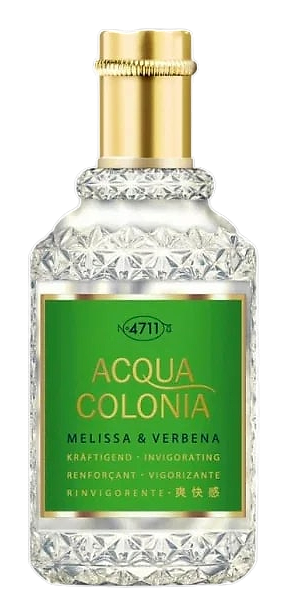
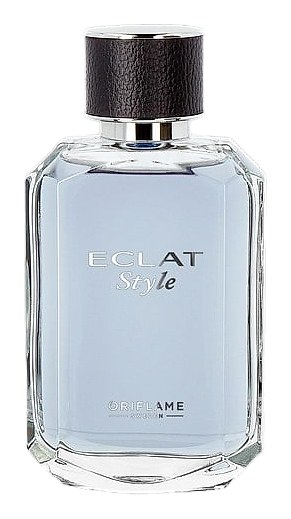
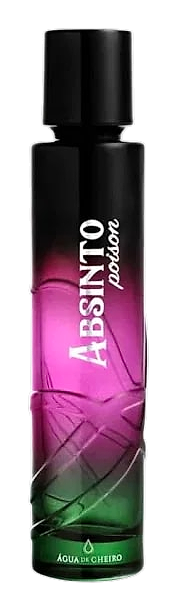
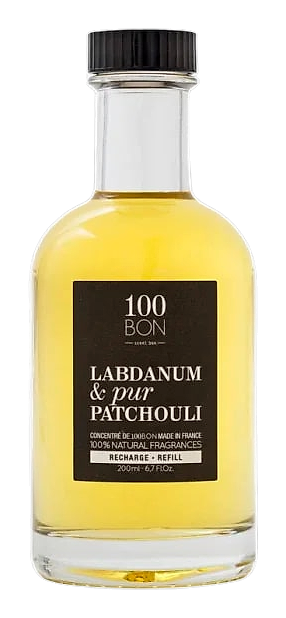
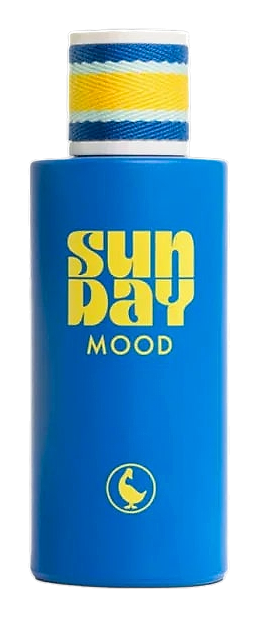
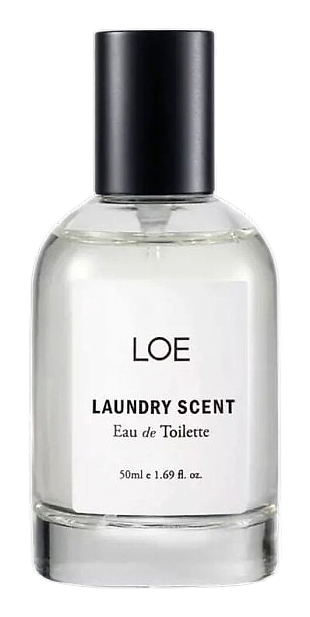
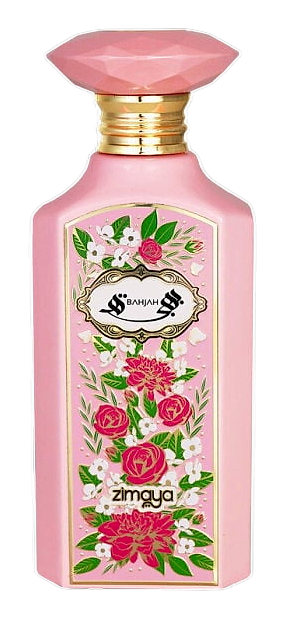
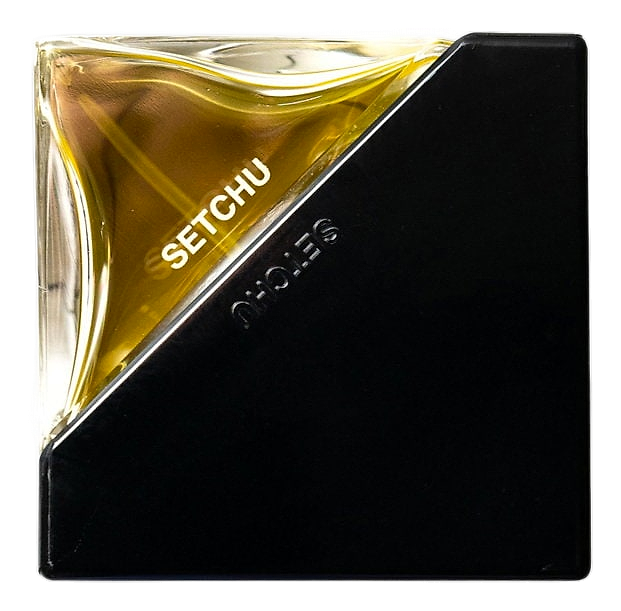
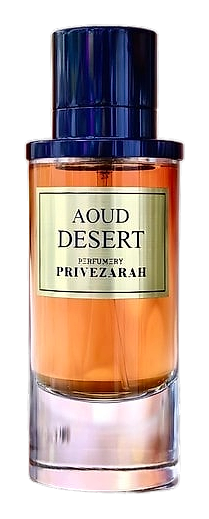
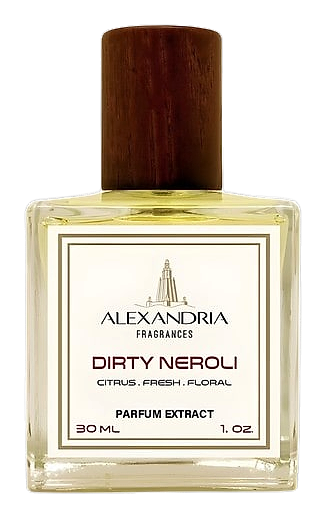
Fragrances featuring Clean Notes
Brands
Brands known for Clean Notes
Good to know
Questions, answered
The essentials on Clean Notes in perfumery: how it smells, where it comes from, and how it behaves on skin.
What are clean notes in perfumery?
Clean notes are constructed accords designed to smell like fresh laundry, soap, or open air. They rely on synthetic molecules such as aldehydes, white musks, and calone rather than natural extracts, giving perfumers precise control over their crisp, transparent character.
Are clean notes natural or synthetic?
Almost entirely synthetic. The soapy and airy qualities associated with clean fragrances come from lab-produced aroma chemicals like galaxolide and ethylene brassylate, not from any single plant or flower source.
What does the clean accord smell like?
Expect a blend of soft musk, gentle citrus, white cotton, and faint marine air. Aldehydes add sparkling lift while white musks create that signature soapy, just-washed sensation on skin.
When did clean fragrances become popular?
Clean fragrances surged in the 1990s with the rise of aquatic and ozonic accords. The aesthetic evolved further as consumers began seeking hypoallergenic, transparent scents over heavier traditional florals and orientals.
Are clean fragrances hypoallergenic?
Not automatically. 'Clean' refers to the scent profile, not allergen content. However, many clean-leaning formulations avoid known sensitizers like certain citrus oils and oakmoss extracts, making them gentler for sensitive skin.
What is the difference between clean and fresh fragrances?
Fresh fragrances often lean on natural citrus and green notes for a bright, zesty effect. Clean fragrances go further, emphasizing soapy, powdery, or linen-like qualities through synthetic musks and aldehydes.
Can clean notes be made from biotech sources?
Yes. Since around 2019, biotech firms have produced bio-identical versions of common clean-note molecules through fermentation. Clearwood, for example, is a biotech sandalwood alternative now used in sustainable perfumery.
Why are clean notes often associated with luxury?
Marketing in the 1990s repositioned simplicity as sophistication, selling the idea that 'less is more.' Premium brands leveraged synthetic precision to craft scents that feel weightless, refined, and effortlessly modern.
In the same family