The Story
Why it exists.
The beginning
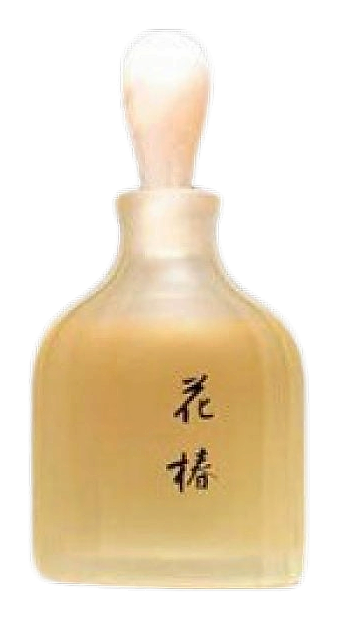
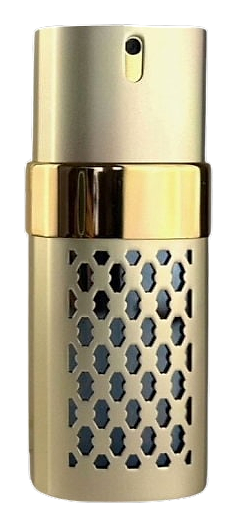
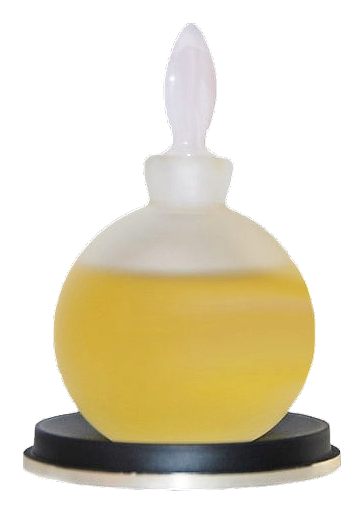
Hana Sakura arrived in 1988 as the second chapter in Shiseido's Hanatsubaki Kai series, a yearly gift offered to members of the brand's Camellia Club. The composition drew its name from hana sakura, the Japanese word for cherry blossom, and set out to bottle a fleeting spring. The bottle design is credited to Shōkō Uemura. Limited production, club members only. The name itself does the work. Sakura in Japanese culture is transience, beauty that exists only because it ends. Hana Sakura takes that idea and freezes it in glass. What you get is not a garden in bloom. What you get is the memory of one, pressed into something you can carry home. The opening lands like a held breath. Cherry blossom arrives with a green, almost leafy snap, the cool edge of stems before the flower fully opens.
The unusual move here is structural. Most florals build outward, adding depth and warmth as the hours pass. Hana Sakura does the opposite. It begins at its most expressive and then pulls inward, getting quieter and cleaner with every passing hour. The cherry blossom note remains present throughout the wear, a thread that runs from the first spray to the last trace on skin. Around it, the green notes and white florals rotate and settle, each taking a turn at the surface before stepping back. That sustained presence is what makes the composition feel so close to the body.
The evolution
The first fifteen minutes are the boldest thing about Hana Sakura, and even that is restrained. Cherry blossom opens with a green, almost leafy edge, the cool snap of stems before the flower fully opens. It smells like walking under a blooming tree just after rain. By the thirty-minute mark, the green has settled. White flowers arrive, but quietly, without the indolic heat that jasmine or tuberose would bring. The white florals stay abstract, cool and clean, never tipping into the heady territory of more assertive blossoms. The powder begins to surface now too, not as a cosmetic cloud but as the smell of clean skin, freshly washed and still warm. The composition breathes in this space for a while, and it's the clearest expression of what Hana Sakura wants to be. As the hours pass, things go soapy. That's not a criticism. It's the intended move.
Cultural impact
Hana Sakura sat in a small, curated circle from the start. It was the second release in Shiseido's Hanatsubaki Kai Camellia Club series, a yearly gift given to loyal members, not a mass-market launch. That exclusivity shaped everything about how the fragrance was made and how it was understood. Limited production meant no advertising campaign, no department store counter, no wide release. The bottle was designed by Shōkō Uemura, and the small batch of members who received it understood that they were holding something few others would ever smell.