The Story
Why it exists.
The beginning
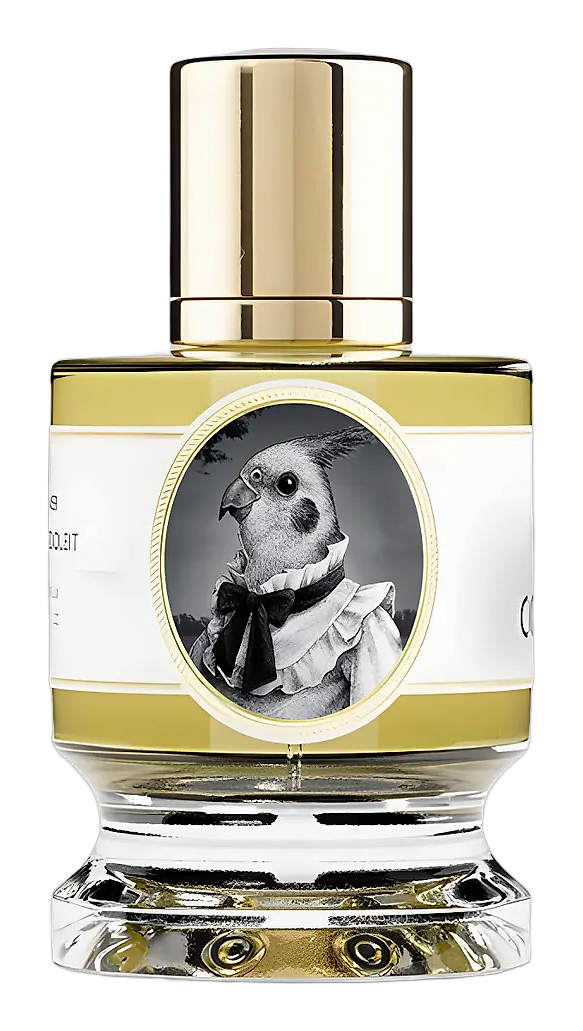
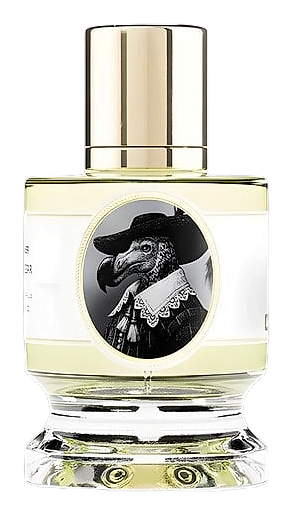
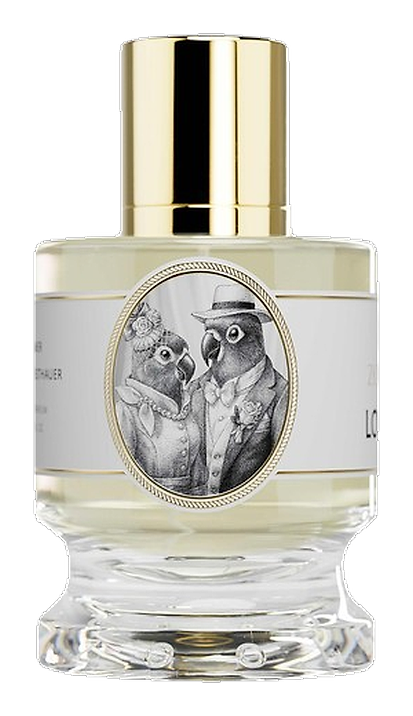
Lovebird arrives in 2026 from Zoologist Perfumes, the Toronto house built on translating animal behavior into olfactory narrative. The African lovebird, small, vibrantly colored, fiercely social, offered the perfect dual concept: the noise and movement of a flock, and the quiet devotion of a bonded pair. This fragrance had to hold both. Nathalie Feisthauer, the nose behind the composition, was given that brief and delivered something that opens exactly like a bird's morning, sudden, bright, full of motion. The naming is literal. Lovebirds mate for life. When one dies, the other often refuses to take a new partner. That quiet intensity runs through the fragrance like a second theme beneath the tropical energy, sweetness that means something, not just sweetness for its own sake.
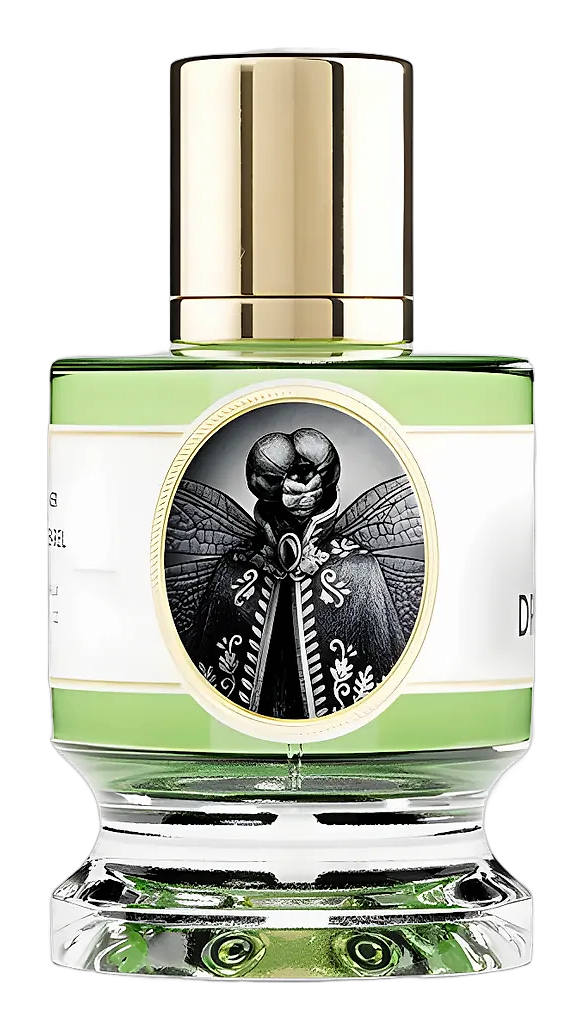
What makes Lovebird distinctive in the Zoologist catalog is its refusal of animalic restraint. Where most of the house leans into challenge, civet, squid, dragonfly, this one plays openly. The kiwi and passion fruit combination is uncommon in niche perfumery, which tends to prefer restraint over tropical obviousness. Ambrette in the base is the smart move: it provides that musky warmth without the ethical baggage of natural animal musk, and its slight nutty quality threads the tropical notes back into something earthier at the close.
The evolution
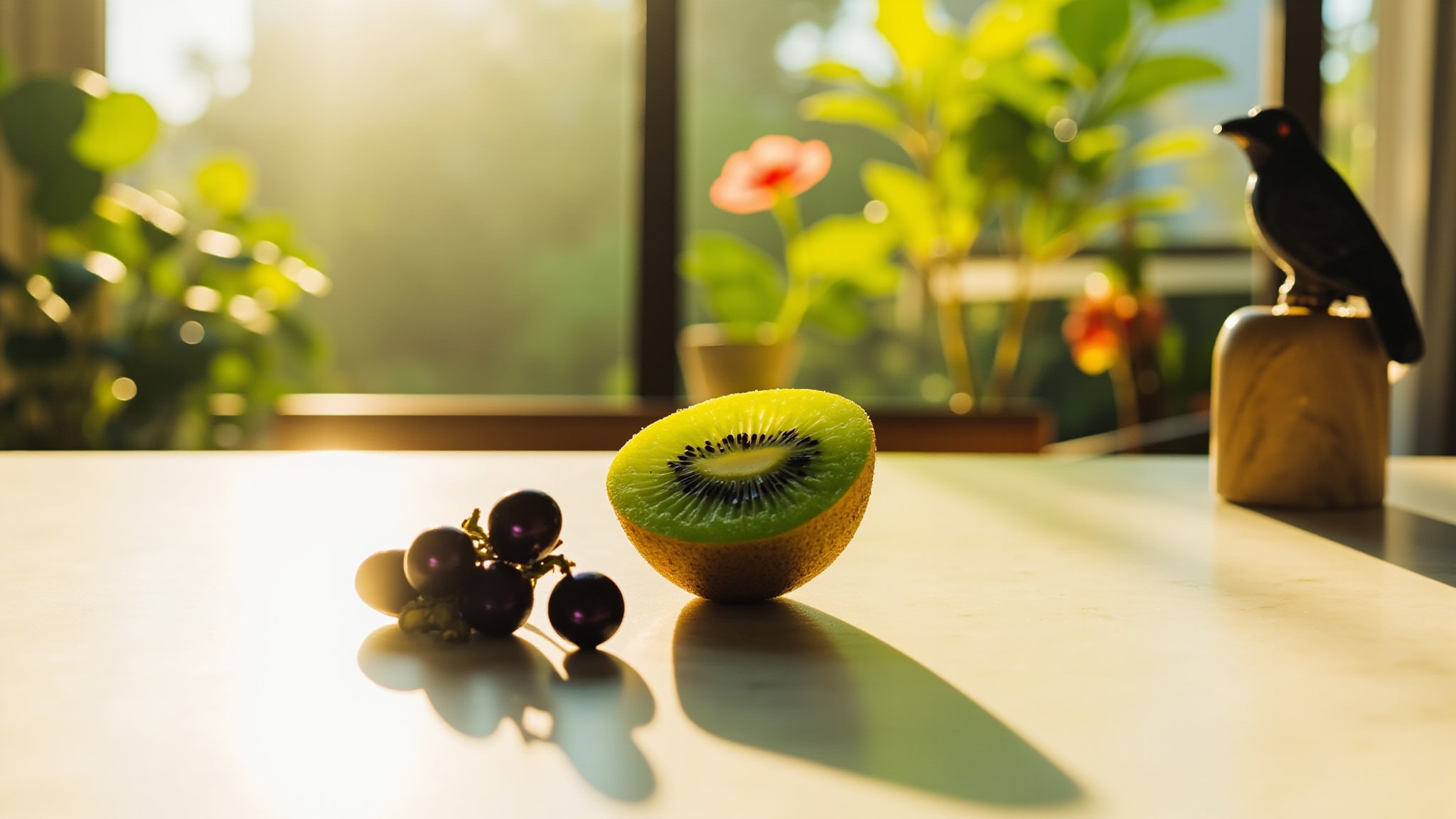
The opening is immediate: kiwi arrives first, that slightly tart green-fruit smell that most fragrances fudge by leaning too sweet. Here it's accurate, sharp, aqueous, convincing. Bergamot and orange layer in behind it, citrus that reads more as brightness than as a sharp note. The herbal elements, clary sage, absinthe wormwood, mint, arrive together and give the whole thing a cooling quality, like moving from full sun into shade. The heart takes hold around the thirty-minute mark. The fruit doesn't disappear, it softens. Geranium and ylang-ylang pull it toward something rounder, while heliotrope adds that powdery sweetness that prevents the whole thing from becoming too green. Passion fruit in the heart is a nice trick: it keeps the tropical energy present even as the florals take over. By the third hour, the base is doing the work. Amber and vanilla create warmth without heaviness, this is not a skin-hugging drydown, but it doesn't project aggressively either.
Cultural impact
Lovebird sits at an interesting intersection in the Zoologist line: it's among the most approachable releases in a catalog built on conceptual challenge. The tropical-fruity genre has become increasingly crowded in both niche and designer perfumery, but Lovebird differentiates through its commitment to the kiwi and passion fruit combination, a pairing that reads as genuinely distinctive rather than simply seasonal. The 2026 launch places it within a broader cultural moment where consumers are drawn to fragrances that feel joyful without sacrificing artistry, and Zoologist's positioning as a house built on conceptual rigor gives Lovebird a credibility that straight fruity-florals often lack.