
The Story
Why it exists.
The beginning
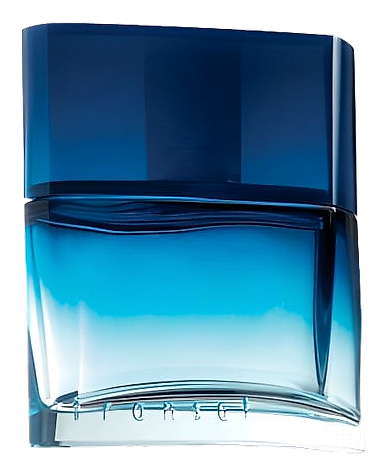
Transat launched in 2005, the work of perfumer Francis Kurkdjian, then still early in a career that would eventually put his name on dozens of celebrated compositions. Kurkdjian built the scent around a single, very French idea: a man who smells like he just came in from the coast. Not cologne that pretends at the ocean through abstract chemicals, but something closer to the real thing. Rosemary crushed between fingers, spray carried on a breeze, sun-warmed timber drying in the salt. The name "Transat" refers to a transatlantic journey, the old-fashioned way across the water, and the composition is built to capture that stretch of blue between two shores.
What makes Transat interesting is how thin the note pyramid actually is. Rosemary at the top, seawater at the heart, woods and amber underneath. Four slots, no filler, no loud floral mediator, no spice trick. Kurkdjian's seawater accord reads less like a synthetic calone blast and more like the mineral residue left on skin after swimming in cold water, the part that doesn't evaporate when you towel off. There's a dryness to it, almost stony, as if the accord is borrowing from wet rock rather than from the beachside cocktail most aquatics tend toward.
The evolution
The first 15 minutes belong to the rosemary. Almost green, with the kind of clarity that makes you check your wrists twice. It's not aggressive, just notably present, the way good rosemary smells when you brush against a bush on a coastal path. Around the 20-minute mark the air changes. The rosemary doesn't fade so much as make room, and the seawater accord takes over the conversation. This is where Transat stops smelling like an herbal cologne and starts smelling like a place. Cool, slightly mineral, carrying a faint salt that registers more as memory than as literal sea spray. No calone sweetness, no ozonic sparkle. Just water and air and stone. The transition into the base is gradual rather than dramatic.
Cultural impact
Transat has a quietly loyal following among people who discovered it and never quite found a replacement. It sits in the aromatic-aquatic family by virtue of its seawater accord, but it leans more herbal and more mineral than the typical aquatic, closer to the coast as a real place than to the idea of the coast sold in advertisements. Its discontinued status has made remaining bottles harder to find, and the people still wearing it tend to speak about the scent with a particular fondness, as if they've been holding onto a small piece of something that has since passed out of production.