The Story
Why it exists.
The beginning
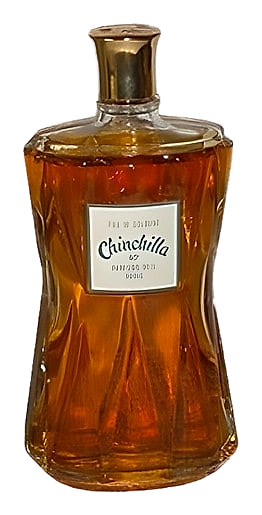
Chinchilla arrived sometime in the 1920s, a decade when the perfume world was rewriting its own rules around what a composition could feel like on skin. The name was deliberate, and it meant the pelt, not the animal, a soft, brushed undercoat translated into something you wear instead of drape over your shoulders. That tactile ambition shows up in the formula from the first spray. Aldehydes give it that immediate, almost chilly lift, the kind of brightness that makes the air around your wrist feel cleaner. Jasmine and rose arrive together in the heart, folded into each other so tightly it takes a few minutes to separate them: the jasmine reading soapy and soft, the rose leaning powdery rather than jammy.
What makes Chinchilla structurally interesting is how little it leans on its four listed notes. Aldehydes, jasmine, rose, and civet are a tight cast, yet the accord reads like a much fuller composition, powdery, soapy, musky, faintly oriental, with a woody undertow that surfaces as the hours pass. The trick is the civet, which carries a warm, almost edible sweetness that, at the right dilution, reads as warm skin rather than anything crude. Paired with high-toned aldehydes, it bridges the floral heart and the animalic base, giving the whole thing its smooth, lacquered quality.
The evolution
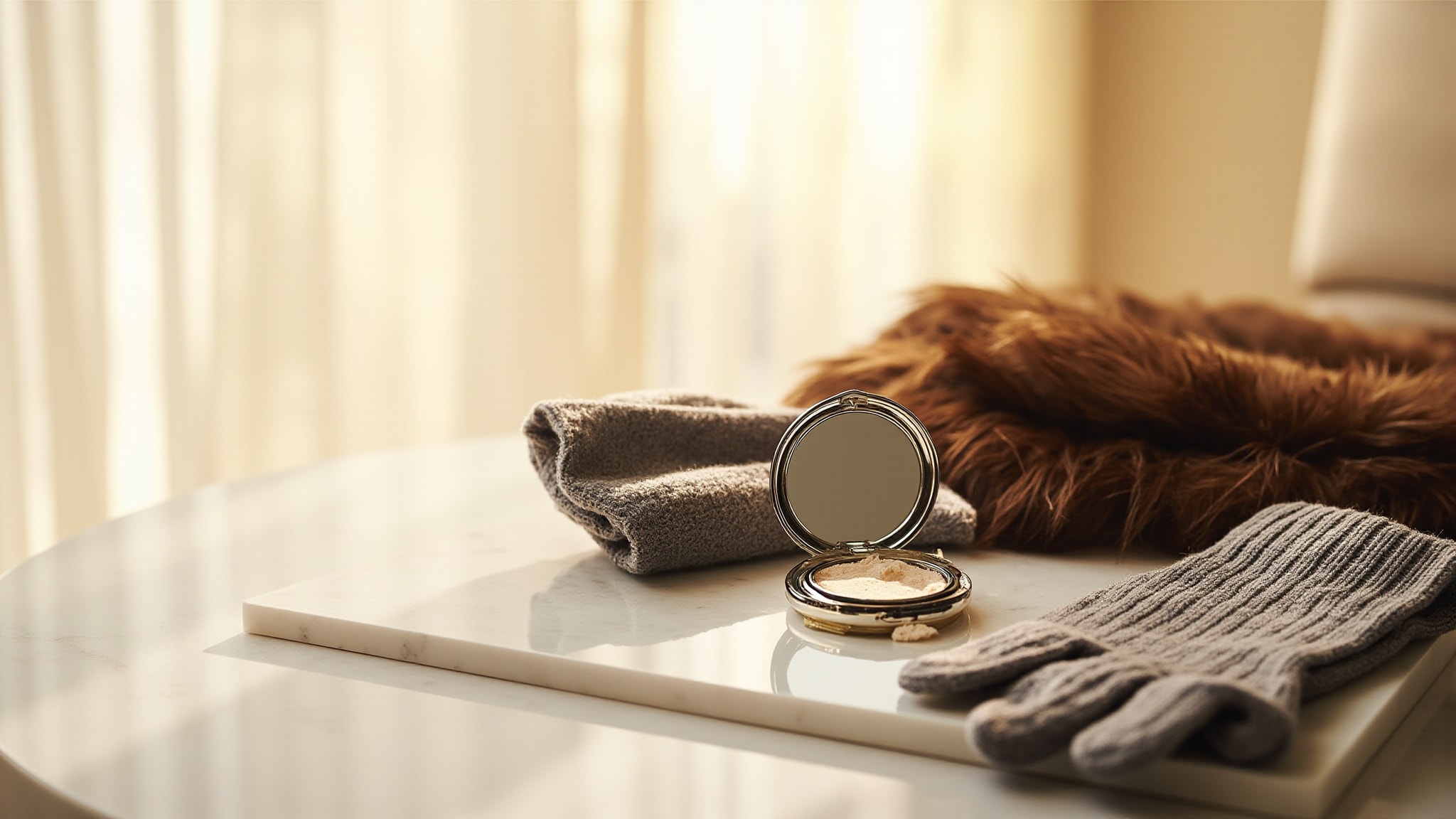
The first ten minutes are all aldehyde. A bright, waxy crackle that smells like the surface of fresh powder compact, or the inside of a new leather glove. It announces itself without shouting, sitting just above the skin in a thin, glittering layer. Jasmine arrives next, not green or indolic but soft, soapy, almost laundry-clean, folded into rose that leans powdery rather than jammy. The two florals hold the center for the first couple of hours, supported by a soapy musk that keeps everything suspended and bright. Then the civet begins to surface. It doesn't crash in; it seeps up through the florals like warmth through fabric, turning the composition warmer, denser, more intimate. By hour four the aldehyde sparkle is gone, the jasmine has faded to a memory, and the rose has gone soft and almost candied.
Cultural impact
Chinchilla sits inside a small, almost vanished category: the early-twentieth-century animalic aldehyde, a kind of composition that prized softness, warmth, and the suggestion of skin over projection and sweetness. It wears like an heirloom, the kind of bottle that turns up in vintage perfume collections and stays there, passed along rather than replaced. Wearers tend to describe it as a private scent, something for the wearer rather than the room, a composition that rewards closeness over distance. Its restraint is part of its appeal.