The Story
Why it exists.
The beginning
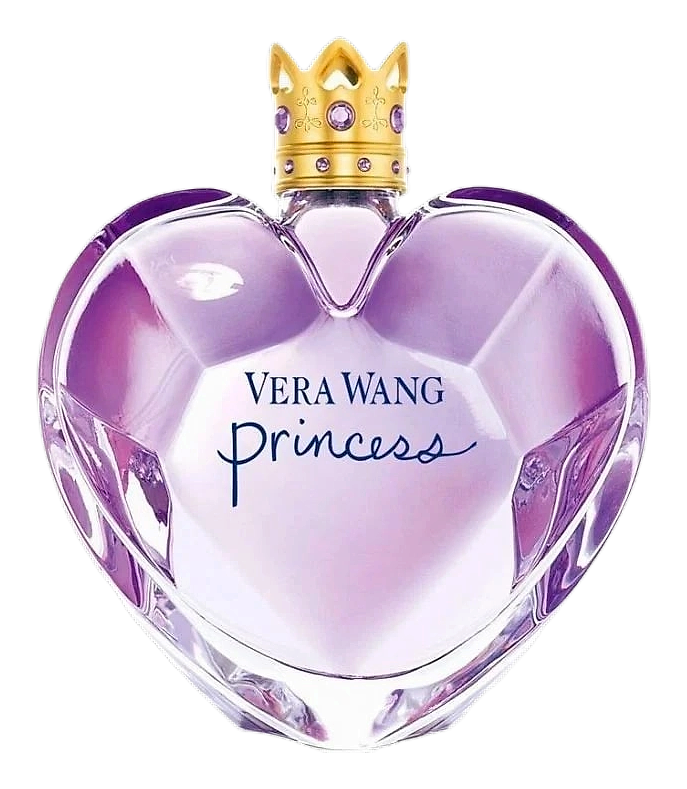
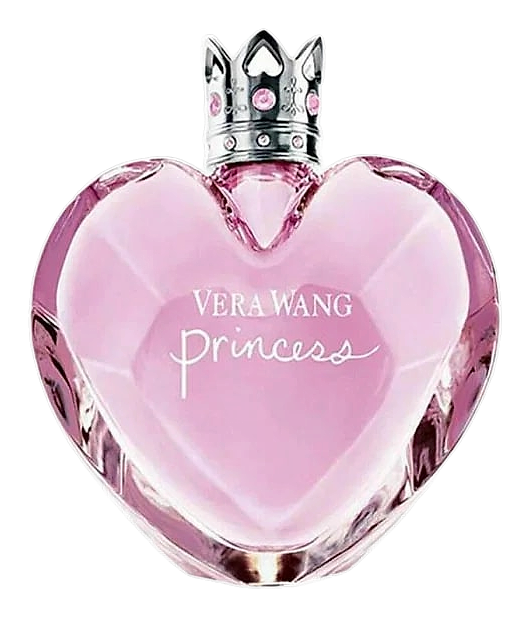
Flower Princess arrived in 2008 as a scented release from Vera Wang, composed by perfumer Harry Frémont. The juice builds a bouquet around white petals and orchard fruit, a noticeable departure from the sweeter gourmands that often anchor the brand's princess narrative. On first spray, the top notes lift with a fresh, almost dewy brightness that suggests crushed leaves and just-ripe pear, settling quickly into a heart where soft floral petals unfold in layers. There's a clean, slightly creamy quality to the way the florals blend, with the orchard fruit lending a sweetness that never tips into syrup. The base trails off with a quiet, woody softness that keeps the whole composition feeling light and breathable rather than heavy or dense.
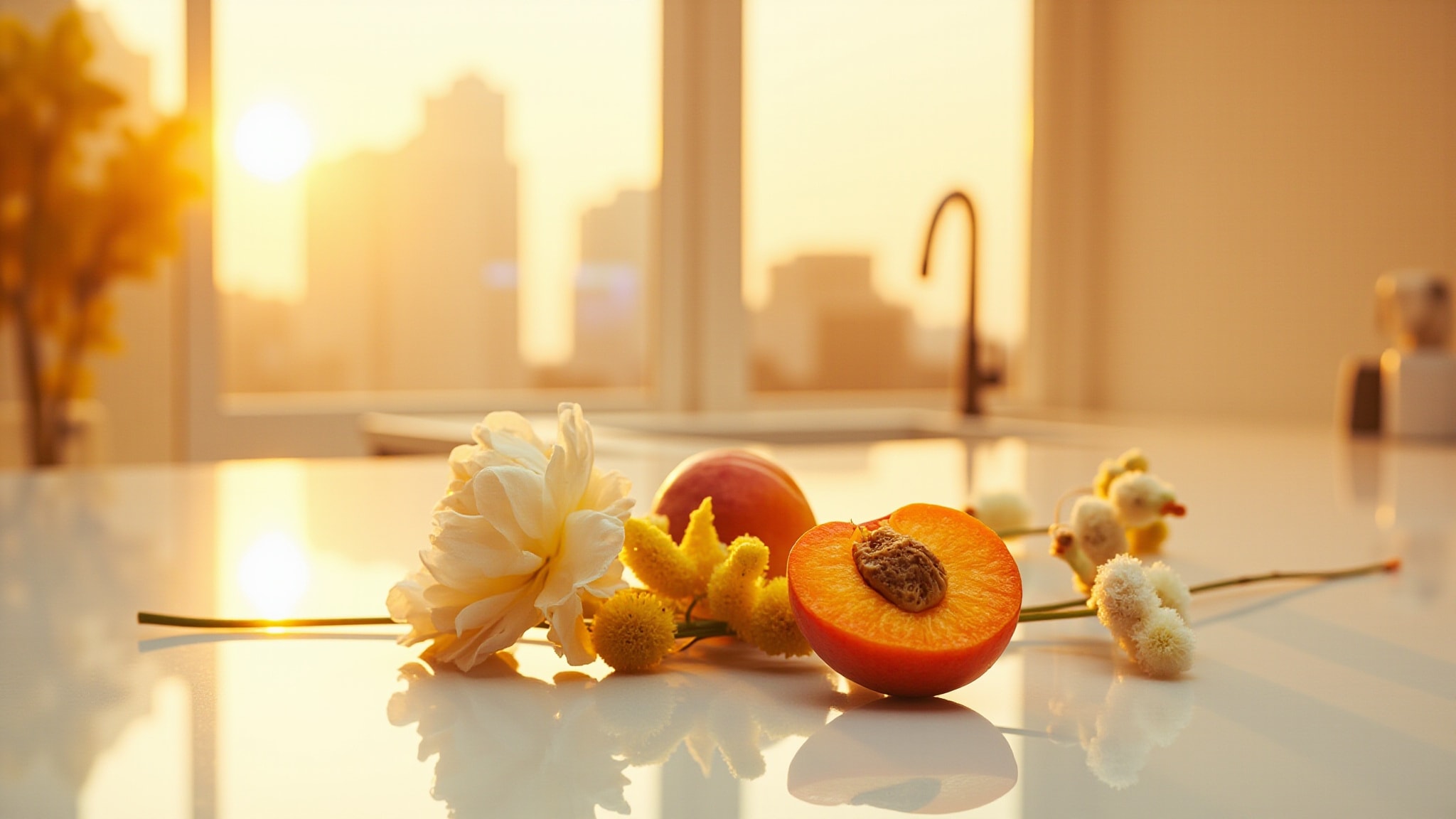
What makes Flower Princess interesting structurally is how it balances its florals against fruit and skin-warm woods. The apricot in the opening is what keeps it from reading as just another white-flower soliflore. That golden stone-fruit note threads through the composition, softening the jasmine and mimosa so the heart never feels sharp or soapy. Meanwhile, the base of amber, musk, and woody notes gives it a quiet staying power that floral-fresh scents often lack. Frémont built this as a layering piece, something that works on its own but also plays well with the brand's other Princess editions without competing for attention.
The evolution
The first thirty minutes belong to apricot and mandarin, that bright juice-and-citrus sparkle that makes it feel almost like a body mist rather than a structured perfume. Water lily sits underneath, lending a cool, almost dewy quality that keeps the sweetness from cloying. Then the florals arrive. Mimosa brings that powdery, honeyed softness, while orange blossom and jasmine push the composition into something creamier and more narcotic. Rose shows up last in the heart, anchoring everything with a gentle, almost translucent presence. By the four-hour mark, the florals have settled into the base. The amber and musk take over, and the woody notes emerge from underneath, giving the drydown a warm, skin-like quality. It wears close after the six-hour mark, still detectable on a sweater the next morning, though the top notes are long gone. What lingers is that apricot-amber softness, golden and slightly sweet, like sun-warmed skin after a long afternoon outside.
Cultural impact
Flower Princess occupies its own space within the Vera Wang fragrance line, offering a floral profile that feels distinct from the brand's more gourmand offerings. The composition leans into white petals and orchard fruit, creating a daytime-friendly scent that wears lightly on the skin without overwhelming the wearer or anyone nearby. The opening is bright and slightly green, a fresh quality that suggests early morning in a flowering garden, and it softens as the hours pass into a creamier floral heart.
The House
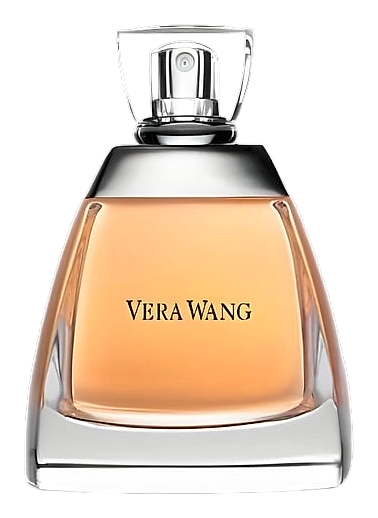
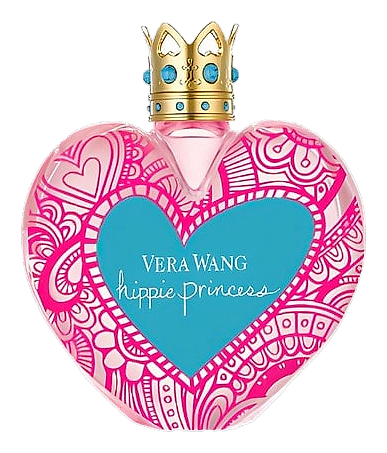
Vera WangVera Wang began as a bridal designer and grew into a lifestyle brand that includes ready‑to‑wear, accessories, home goods, and a line of fragrances. The perfume portfolio launched in 2002 with a floral scent created by Jean‑Claude Delville and Harry Fremont, and it now spans whimsical editions such as Hippie Princess (2015) and the recent Love Eau de Parfum (2025). Each fragrance reflects the brand’s blend of romance and modern edge, offering women a way to wear a signature moment beyond the aisle. The collection remains anchored in the designer’s reputation for clean lines, meticulous detail, and an unapologetic sense of personal style.
The Creator
Harry FrémontFrémont's style resists easy categorization. He works fluently across woody, floral, amber, and leather territories, with an especially strong command of vetiver and musks that has become something of a signature.