The Story
Why it exists.
The beginning
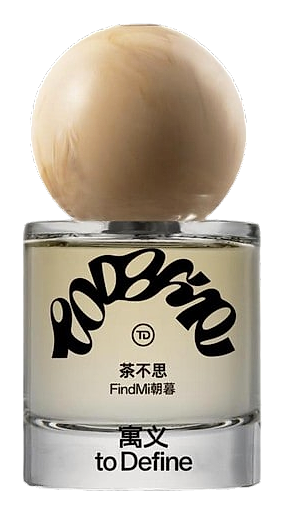
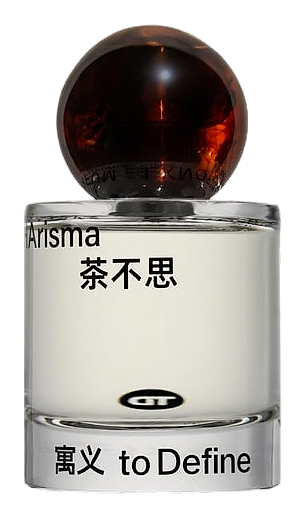
The Chinese title 茶不思 translates to something like 'forgetting about tea', that moment when you're so lost in thought that the cup goes cold, untouched, forgotten. The name captures a specific mental state: absorption so complete it erases everything else, even the ritual that started it. Perfumer Meng Gu built CHArisma around this idea. The fragrance doesn't announce itself or demand attention. It begins with a bright citrus opening, bergamot and bitter orange, that catches the light like morning sun through a window. Then, almost imperceptibly, the composition shifts. The freshness doesn't disappear; it deepens into something more private, more introspective. By the time the drydown arrives, the fragrance has become a quiet companion rather than a statement. Cedar and musk settle close to the skin, leaving a trace that only someone standing nearby would notice.
What makes CHArisma distinctive is its restraint. The fougère structure, built on citrus, fern, and a powdery floral heart, gives the fragrance a natural gender-neutrality that doesn't feel deliberate. It's simply how the notes balance. The white tea note is the bridge. It connects the bright opening to the warm base without forcing either side. Iris and violet provide the powdery elegance that prevents the composition from reading as merely fresh. Tonka bean in the drydown adds a soft sweetness that rounds the cedar into something worn rather than sharp. The result is a fragrance that feels considered, not safe, but thoughtful. It rewards someone who pays attention.
The evolution
The opening hits immediately: bitter orange and bergamot, bright and slightly tart. The heart is where CHArisma earns its name. White tea arrives quietly, almost as an absence at first, a clean clarity that softens everything around it. Iris and violet layer into a powdery cloud that feels intimate rather than heavy. The transition is seamless; one phase hands off to the next without a sharp break. The drydown settles into warmth. The overall impression is one of quiet refinement, where each layer builds upon the last without overwhelming.
Cultural impact
CHArisma presents a distinctive approach within the landscape of contemporary fragrance. The combination of powdery iris and white tea creates a scent profile that feels distinctly modern, avoiding the heavier traditions that have defined certain fragrance categories. The fragrance occupies a space that feels both intimate and refined, appealing to those who appreciate subtlety over declaration. The powdery iris brings a soft, elegant quality while the white tea adds a clean, clarifying dimension that prevents the composition from becoming overly sweet or heavy.
The House
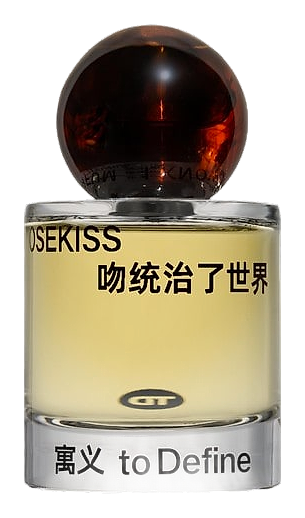
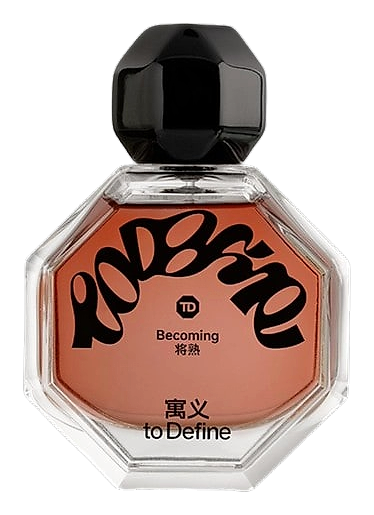
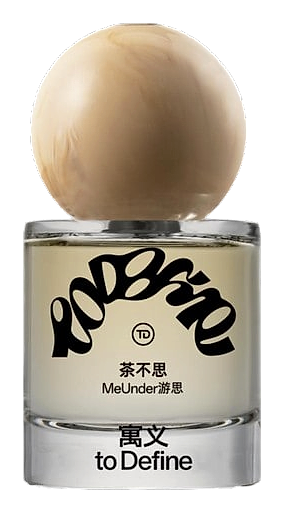
To Define 寓义To Define 寓义 is a Chinese fragrance house that translates its name to mean Allegory, a concept that shapes its entire creative philosophy. The brand constructs olfactory narratives around moments, memories, and emotional states, presenting each scent as a chapter in an unfolding story. Their catalog features approximately twenty fragrances, many bearing Chinese titles that read like fragments of poetry or diary entries. The brand operates within China's emerging niche perfume scene, appealing to consumers who seek fragrance as a form of personal expression rather than mere pleasant scent. To Define positions itself as a storyteller, using the medium of scent to document emotions, relationships, and introspection. The brand's social media presence references a Scent Poetry House concept, suggesting an ambition that extends beyond traditional perfumery into cultural commentary on how fragrance shapes and preserves memory.
The Creator
Meng GuGu favors transparency and restraint. Her compositions tend to unfold in gentle layers rather than dramatic reveals, with a particular affinity for delicate florals, nuanced woods, and soft musks that adapt to the wearer's skin.