
The Story
Why it exists.
The beginning
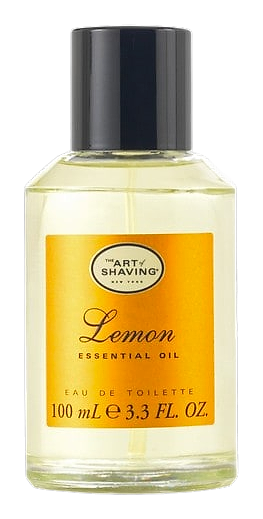
Lemon Eau de Toilette arrived in 2006 from The Art of Shaving. The composition leans entirely on citrus, skipping the warm wood foundations that anchor many traditional colognes. Lemon here reads as the olfactory equivalent of cold water, sharp and immediate, the kind of opening that sets the tone for everything that follows. The juice draws on Italian and Spanish citrus oils, with lemon leading the charge alongside bergamot, mandarin leaf, and petitgrain. There's no sandalwood anchoring the base, no dense oriental undertow. Just pure, uncomplicated citrus rendered with enough care to hold its shape on skin.
What's interesting about this composition is what it doesn't do. Rather than letting the citrus collapse into thin air, Lemon Eau de Toilette builds a quiet structure underneath the juice: vetiver and oakmoss in the base, white lily and cyclamen threading through the middle. The florals are barely there, more suggestion than statement, just enough to keep the lemon from reading as floor cleaner. The petitgrain, that bitter-green twig oil distilled from the same tree that gives us neroli, adds an herbal tension that bergamot alone can't provide.
The evolution
The first thirty minutes are all lemon, unapologetic and tart, almost tart enough to make your tongue react. Then the bergamot and petitgrain arrive, softening the acidity with something rounder and slightly green, like the smell of a citrus grove after rain. Within the hour, the white lily and cyclamen surface, quiet florals that add a soapy transparency without ever tipping into perfume-y territory. By hour three or four, the drydown settles into vetiver and oakmoss, earthy and slightly bitter, the part of the composition that explains why it holds together through a full day of wear. The lemon doesn't vanish entirely. It haunts the base, faint but noticeable, a persistent thread of brightness woven through the mossy foundation.
Cultural impact
This cologne occupies an interesting space, versatile enough for warm-weather months but constructed with enough depth to avoid the flat brightness that undermines simpler citrus compositions. The oakmoss base provides structural grounding that many citrus-forward scents lack, lending a contemplative weight to what begins as an effervescent opening. Reviewers note good longevity, suggesting the composition is built for sustained wear rather than a fleeting burst of freshness.