
The Story
Why it exists.
The beginning
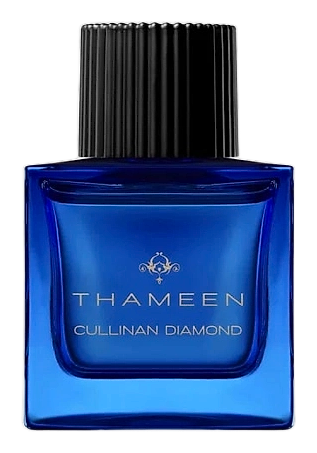
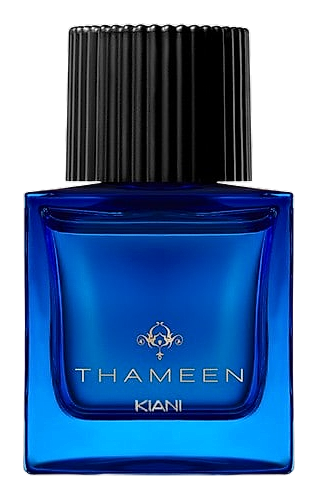
Kiani takes its name from the Kiani Crown of Persia, a jewel-encrusted symbol of the Safavid dynasty, forged in the 18th century and said to house one of the world's most legendary rubies. The original crown is an artifact of immense historical weight. Thameen's interpretation translates that grandeur into scent: not by being loud, but by being exact. Alexandre Illan built the composition around a tension between sharp green opening and warm woody base, a fragrance that announces itself confidently, then settles into something worth studying. The Kiani Crown sits in a museum now. This one you wear.
What makes Kiani work is the transition from top to base. Green bell pepper and sage open sharp, almost bitter, definitely herbal. Citron cuts through with a clean citrus brightness. Then the heart arrives: cumin adds a quiet warmth with a faint animal edge, ginger brings clean heat, and French lavender softens everything into powdery elegance. That lavender is the bridge. It takes the green bite and transforms it into something refined rather than sharp. The base amplifies this refinement: cedar and sandalwood create a creamy woody foundation, vetiver adds earthy depth, and musk holds it all close to the skin. The result is a fragrance that shifts from assertive to composed without losing presence.
The evolution
The opening arrives fast, citron spark, then sage and green pepper bite. That first impression is bright, almost aggressive. Thirty minutes in, the cumin and ginger start to assert themselves, and the green sharpness begins to soften. The transition from top to heart is where Kiani reveals its intent: not to shock, but to convince. By the second hour, French lavender has taken over as the dominant character. The composition becomes powdery, elegant, assured. This phase lasts. The woody base of cedar, sandalwood, and vetiver emerges gradually, wrapping everything in warmth. Musk keeps it close to the skin, intimate sillage, the kind that rewards proximity. On most skin types, Kiani holds for a full workday and often into the evening. The next morning, a trace of cedar and vetiver remains on fabric, quiet but present.
Cultural impact
Kiani draws collectors who want fragrance as artifact. Named after the Kiani Crown of Persia, it appeals to those who understand provenance, who want a scent with a story embedded in its structure, not just printed on the box. The British house Thameen built its reputation on this approach, treating each release as a cultural artifact rather than a seasonal product, and Kiani exemplifies that philosophy with a composition that rewards close study.