
The Story
Why it exists.
The beginning
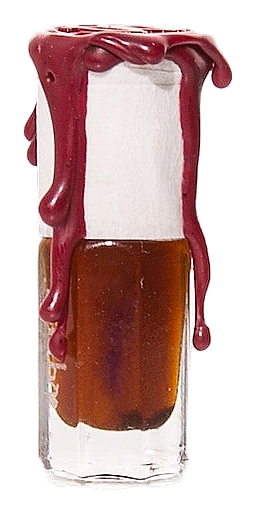
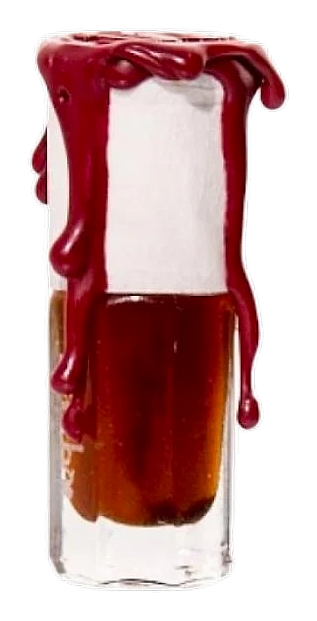
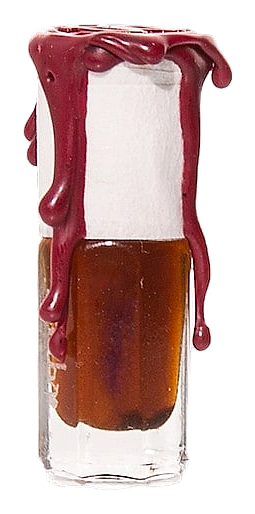
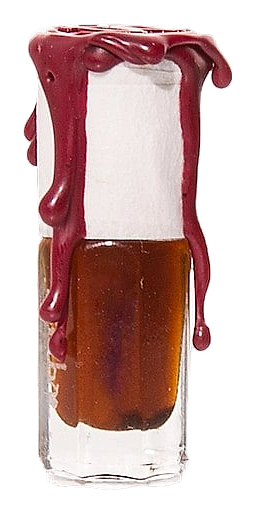
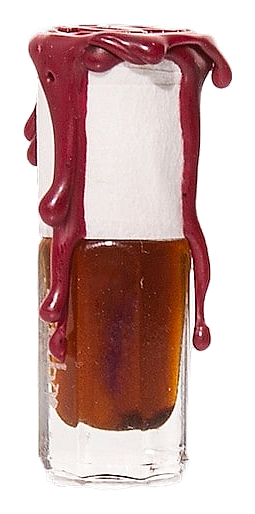
Shamamah is Sultan Pasha's reading of the classical Indian attar. Not a Western translation, not a stripped-down studio take, but a full-throated interpretation built on co-distillates of saffron, mitti attar, rose, musk, and spice. Sultan Pasha released it in 2014 from his London atelier, by which point he had assembled the raw materials catalog to attempt something like this: rose otto, agarwood, sandalwood, the whole taxonomic inventory of a serious attar house. The materials read like a roll call of perfumery's heaviest hitters, and Sultan Pasha deploys them without apology. There's no light-handed styling here, no modern restraint diluting the tradition. What arrives is the classical attar form at full density, macerated oils carrying the weight of their sources.
What separates Shamamah from the genre is the inclusion of hyraceum and white ambergris alongside the expected resins. Hyraceum brings a deeply animal, almost leathery warmth that grounds the composition in something older than floral sweetness. Pair that with Bulgarian rose absolute and rose otto and you get a rose that doesn't sit prettily on top. It musks itself. The tobacco isn't sweetened. The frankincense doesn't apologize for itself.
The evolution
The opening is loud. Camphor and black caraway strike like a struck match in a cold room, green and slightly medicinal. Frankincense and raw tobacco fill the space behind them. There's a sharpness here that some wearers will mistake for aggression. It's not. It's the attar announcing the terms. As the composition yields to something warmer, Bulgarian rose begins to bloom underneath the resinous top notes. The camphor doesn't disappear; it just makes room. The heart is the richest part of the journey. Siam benzoin wraps around labdanum and amber, creating a sticky-sweet resinous cocoon that seems to trap the other materials inside it. Indian oud surfaces, woody and slightly barnyard, then recedes behind honey and beeswax. Oud returns later, quieter than before, more about texture than statement. This is where the hyraceum earns its place.
Cultural impact
Shamamah occupies a particular position among oil-based compositions: a serious attar made outside South Asia and the Gulf, offered to collectors who want classical structure without the markup of heritage houses. Among Sultan Pasha's own catalog, it stands as one of the most dense, oil-format compositions he has released, unapologetically animalic in its construction. Wearers tend to be people who've already moved past designer florals and want something that feels more like a ritual than a spray. It rewards cold weather and patient rooms, and it wears closer to the skin than most modern releases, which is exactly the point.