
The Story
Why it exists.
The beginning
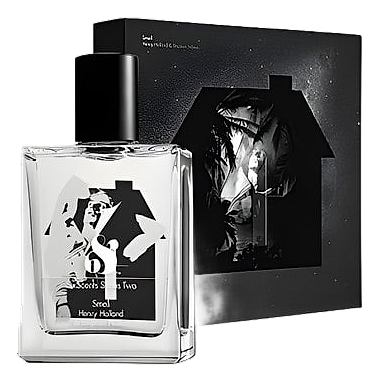
Six Scents Series Two 4 House of Holland: Smell arrived in 2009 as part of a second wave from a brand built on creative collaboration, a project that paired a fashion designer with a perfumer and let each side bring what they do best. Henry Holland, the designer, brought the concept. Stephen Nilsen, the perfumer, translated it into scent. The collaboration sits inside a numbered series capped at 2,000 bottles per fragrance, with the wider collection linked to Pro-Natura as its charitable environmental partner.
The composition earns attention not through rarity of materials but through restraint. Grass and pine anchor the structure, two notes that risk reading either too sharp or too synthetic in lesser hands. Mimosa and lilac add a powdery sweetness that softens the green without sweetening it. Musk underneath does the quiet work, giving skin a clean, lived-in warmth that keeps the whole thing grounded. The result is a scent that smells familiar in a way that's hard to place, like a season you forgot you missed.
The evolution
The opening is green and immediate, cut grass edged with pine resin, sharp enough to cut through any room. Soon the mimosa and lilac surface, pushing the composition into something warmer and more powdery, less lawn and more linen drying in the sun. Jasmine arrives quietly, never loud, just enough to round the green into something floral-sweet. As the hours pass, the musk settles in fully, and the drydown becomes the best part: a soft, warm, slightly sweet skin scent that clings to fabric and keeps the pine alive in faint, unmistakable threads. The composition wears like a slow exhale. You notice it less on yourself and more on a sweater pulled on the next morning, where the woods have outlasted the obvious floral hours and settled into something private and personal.
Cultural impact
Smell sits in a curious space: a 2009 limited release from a concept-forward series that asked designers and perfumers to meet on shared ground. It belongs to a small, intentional run rather than a broad commercial launch, and its green-powdery profile reads as quietly considered, the kind of composition that rewards attention over time. The opening grass and pine resin give way to mimosa, lilac, and jasmine before settling into a warm musk drydown, a structure that feels as much editorial as olfactory. Wearing it feels less like applying a fragrance and more like carrying a small, specific idea into the day.