
The Story
Why it exists.
The beginning
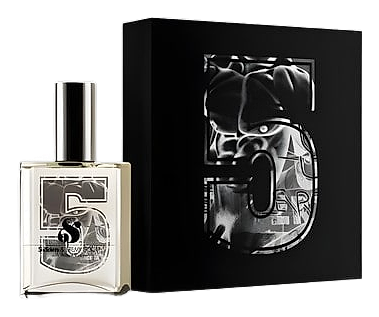
In 2008, Six Scents launched Series One, a collection of six fragrances, each tied to a different fashion designer's creative universe. Illicit Sex was Jeremy Scott's contribution. The fragrance was composed by Philippe Roques, who translated Scott's playful transgression into a drier, more structured composition than the name might suggest. The name is Scott's: cheeky, declarative, a little defiant. The collection itself was developed through a partnership between Six Scents, the design studio Metaproject, and the fragrance house Symrise, with proceeds supporting Designers Against Aids. This was charity work dressed in runway clothes.
The composition refuses the obvious move. Here, rose gets guarded by aldehydes and peppered with nutmeg, black pepper, and frankincense before the cedar and benzoin take over. The aldehyde opening gives it that cold, metallic flicker, but Roques deploys them as armor, not nostalgia. Once the top settles, the spices cluster tightly around the rose, warming it from within, while the frankincense introduces a faintly liturgical smoke that hovers above the floral core without smothering it.
The evolution
The opening is the loudest part. Aldehydes flash cold and almost metallic, like lipstick on a cold mirror, while the bergamot and pepper cut through sharp. The rose settles in, dusty and warm, supported by frankincense's smoky incense and the dry heat of nutmeg. The middle is where Illicit Sex becomes a different animal: cedar and benzoin take the wheel, resinous and woodsy, and the musk underneath starts to hum. Eventually, it becomes mostly warm wood and benzoin sweetness, with the rose reduced to a memory, a faded lipstick stain on a collar. What remains at the end is close-skin musk and a trace of cedar, intimate, faintly sweet, surprisingly quiet for something that started so bold.
Cultural impact
Illicit Sex sits in an unusual corner of fragrance history: a charity release from a collaborative project that paired working fashion designers with perfumers. It's since been discontinued. The Jeremy Scott connection draws a specific crowd, people who followed his work closely and saw the scent as an extension of his visual language. The fragrance carries the designer attribution as part of its identity, the same way a runway piece does. Discontinuation has made existing bottles harder to source, and the charity tie to Designers Against Aids remains part of its backstory.