



Heritage
A house, in its own words
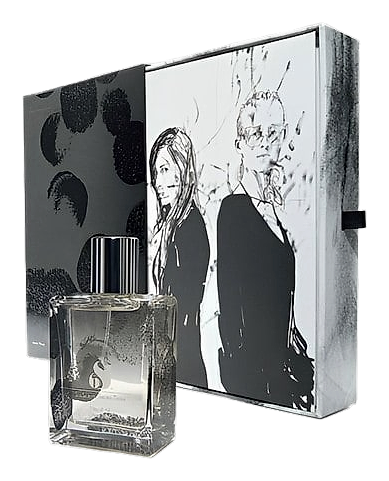
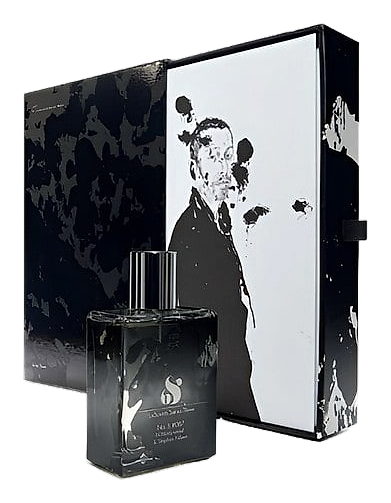
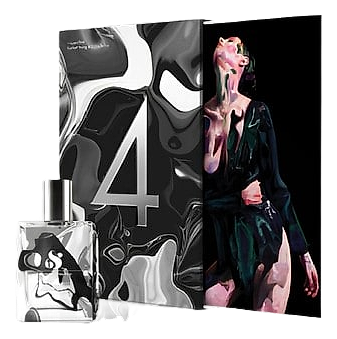
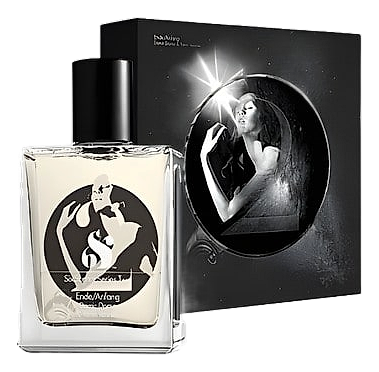
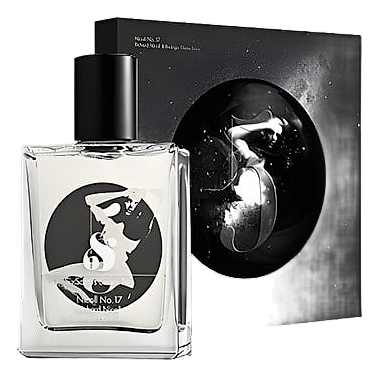
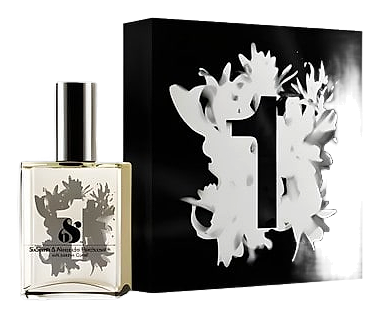
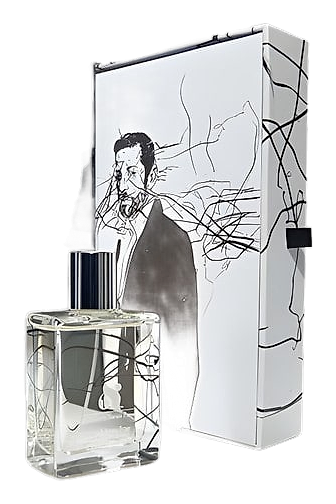
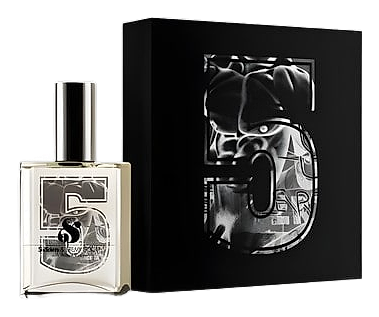
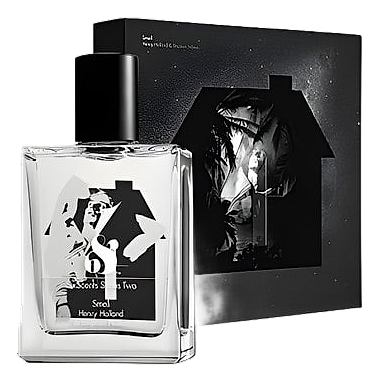
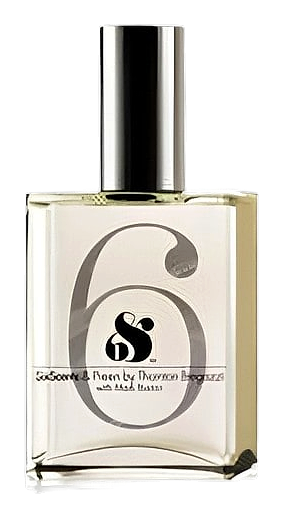
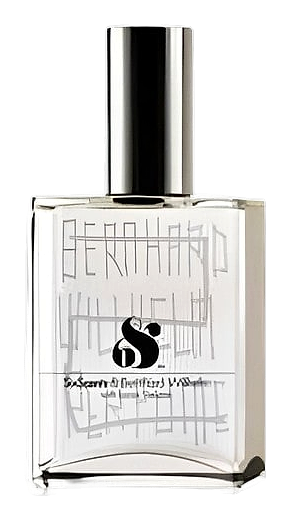
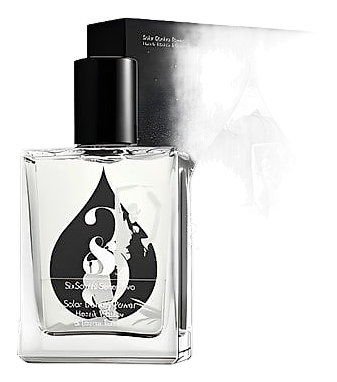
Six Scents emerged from Joseph Quartana's unexpected trajectory through the fashion industry. According to podcast interviews, Quartana never anticipated entering fashion or fragrance as a career path, yet his experience working in fashion during the mid-2000s shaped the collaborative model that would define his fragrance house. Quartana reportedly ran a fashion boutique in New York, a context that gave him direct access to the designer world that later became his collaborators. The debut series launched with six fragrances, each created in partnership with a fashion designer or creative figure. Colette in Paris, Henri Bendel in New York, Isetan in Tokyo, Joyce in Hong Kong, and Liberty in London picked up this debut collection, signaling immediate international interest in the unconventional approach. These early retail partnerships positioned Six Scents within some of the world's most influential concept stores and luxury department stores. The brand continued releasing collaborative series throughout the late 2000s and early 2010s, with fragrances created alongside designers including Alexandre Herchcovitch, House of Holland, Richard Nicoll, and Preen. Each collaboration followed the established pattern: the designer provided an aesthetic framework, and the resulting fragrance embodied that vision in liquid form. PARFUMS QUARTANA was formalized as the official entity, with the brand's official storefront and current operations continuing under this structure. The brand has since expanded to encompass a broader fragrance library reportedly exceeding 700 formulations, though the original collaborative series model remains central to its identity. The core belief driving Six Scents holds that fragrance should offer a moment of stillness, a concept the brand has described as relevant even within demanding daily schedules. Rather than approaching perfumery from a traditional fragrance house perspective, Six Scents positions itself as a bridge between fashion and scent. The brand seeks collaborators whose creative identities are well-defined, then works to translate those aesthetics into olfactory form. This inverts the typical fragrance development process where a brief might ask designers to approve a perfumer's interpretation. Here, the designer's vision leads and the scent follows. The philosophy values specificity over generality, meaning each fragrance carries the particular fingerprint of its source inspiration rather than conforming to marketable fragrance categories. Six Scents has described its work as capturing creative perspective, suggesting each release functions as a scented argument about what a particular designer, architect, or artist considers essential. The approach treats fragrance as a medium for creative expression rather than merely a commercial product category. This philosophy extends to how the brand presents itself visually and narratively, maintaining an editorial voice that treats each fragrance as a cultural artifact rather than simply a luxury good.