The Story
Why it exists.
The beginning
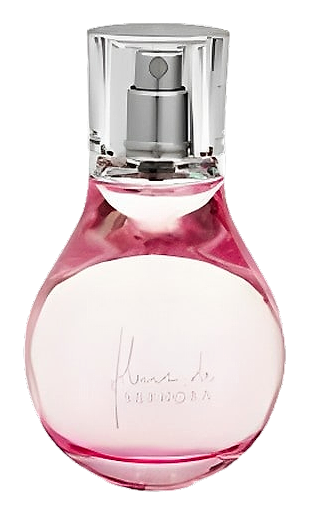
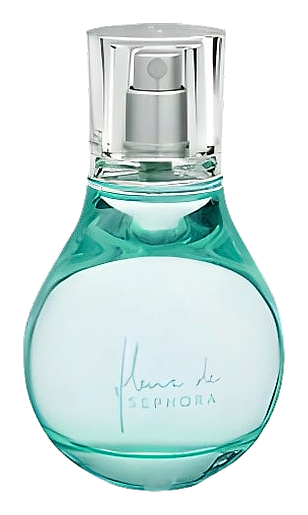
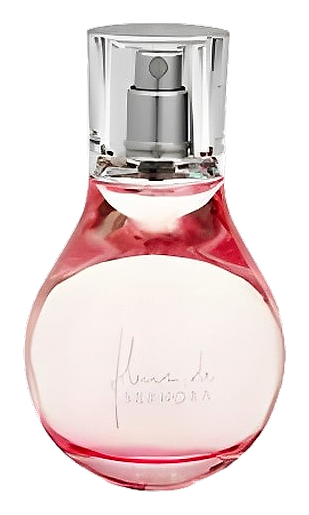
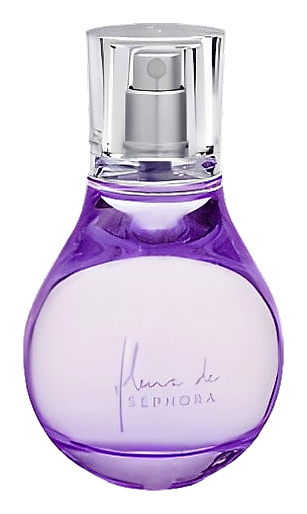
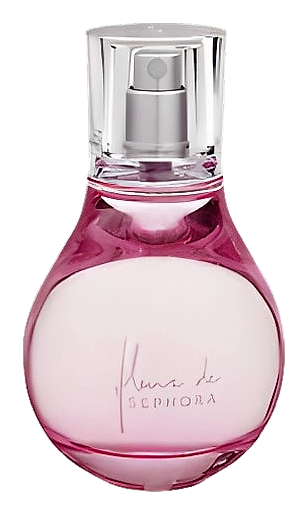
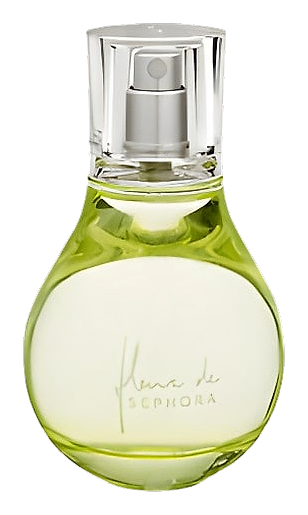
Sephora launched its private-label fragrance line in 2004 with seven scents, one per flower. Fleur de Sephora Jasmine was one of them, a white floral built around Mediterranean jasmine and green tea from Ceylon. Annie Buzantian, the perfumer, worked from Sephora's brief: something clean, accessible, and floral without the heavy narcotic quality jasmine can carry in denser compositions. The 50 ml EDT format kept things approachable. From the first spray, the jasmine reads as light and almost translucent, closer to the impression of petals caught in a breeze than to the indolic, animalic warmth that heavier jasmine sambac compositions can produce.
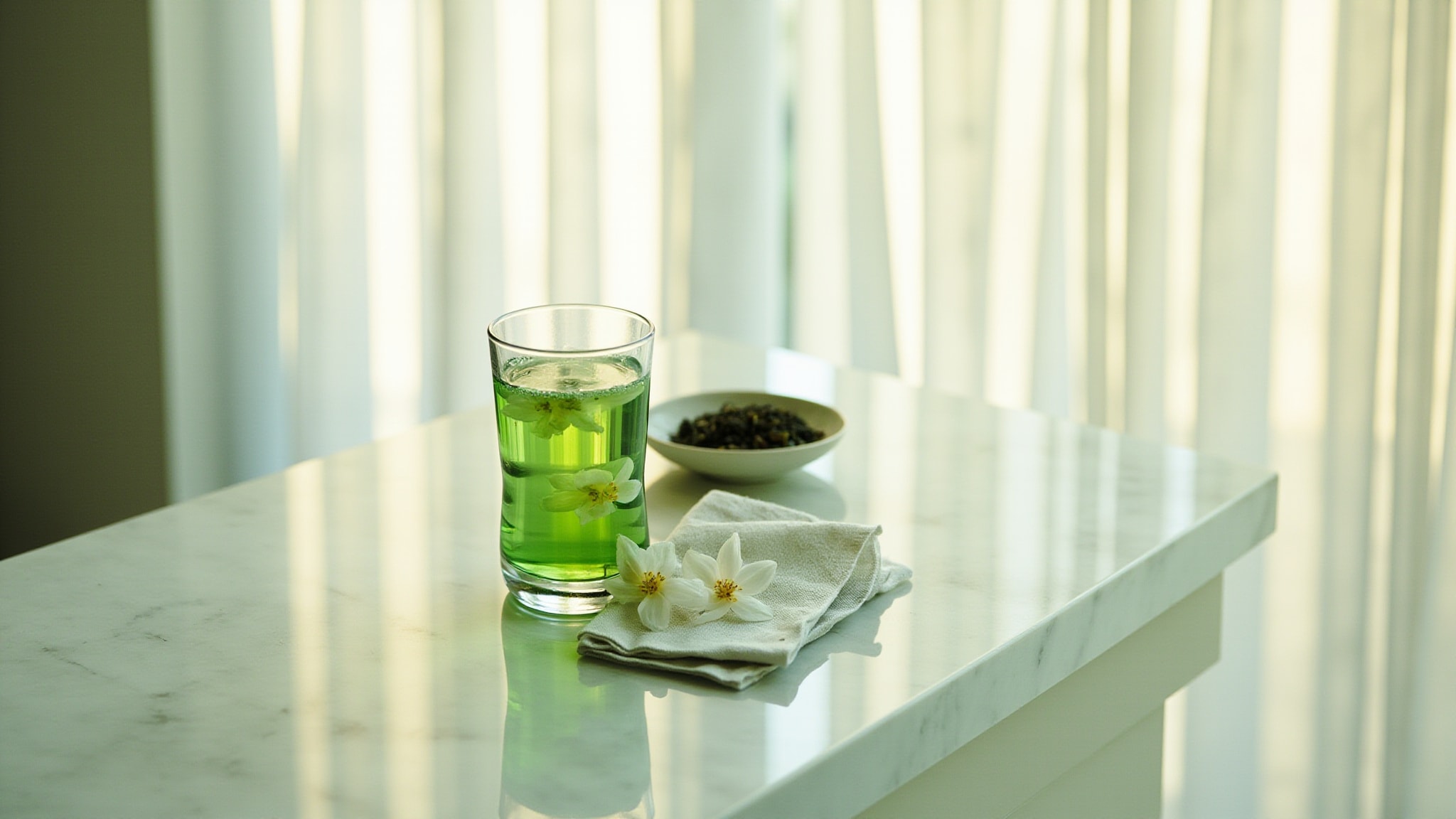
What makes this composition interesting is what it leaves out. Jasmine, for all its beauty, tends to dominate. Pair it with tea and you get a built-in moderator, a green tannic edge that pulls the floral back from its sweeter, more indolic tendencies. The combination reads light but has structural logic underneath. It is jasmine with a rudder.
The evolution
The first fifteen minutes are almost entirely tea, cool and green, with jasmine surfacing in soft pulses rather than a single bold arrival. There is a watery quality to the opening, not aquatic in the synthetic sense but closer to condensation on a cold glass. The florals arrive gradually over the next hour, never fully taking over the composition but settling into a steady warmth at the center. By the third hour, the tea recedes noticeably and the jasmine carries the remaining weight on its own. It loses the coolness and reads warmer, almost creamy, though it never reaches the dense, almost edible quality of heavier jasmine soliflores. The drydown is skin-close: a faint floral ghost that lingers through hour five or six, detectable if you press your wrist to your nose, invisible at arm's length. On fabric, it outlasts its own skin performance by several hours, showing up the next morning on a scarf like a trace of yesterday's weather. The sillage stays controlled throughout, personal rather than projective, which suits the composition's quiet ambitions.
Cultural impact
Fleur de Sephora Jasmine arrived as part of a seven-scent debut built on a simple premise: one fragrance per flower, with the bloom named on the bottle. Jasmine was a natural inclusion in a line that aimed to give common florals their own dedicated composition. The scent itself takes a particular approach to jasmine, one that leans away from the heavier, more indolic expressions that dominate traditional perfumery. Mediterranean jasmine provides the floral core, but it's filtered through green tea from Ceylon, which strips away some of the narcotic warmth and leaves something cooler, cleaner, and more transparent.
The House
SephoraSephora operates a global network of beauty stores that combine cosmetics, skin care and a curated fragrance portfolio under one roof. The retailer introduced a private‑label scent line in the early 2000s, offering fragrances such as Fleur de Sephora Orchid (2004) and Blue Lilac (2012). By presenting both established houses and its own creations, Sephora positions itself as a discovery platform for scent enthusiasts who value choice and accessibility.
The Creator
Annie BuzantianAnnie favors a structural approach, building around a strong heart that anchors the perfume. She often chooses violet, heliotrope, and lilac to add a soft floral edge, then balances them with musk and warm woods for longevity.