The Story
Why it exists.
The beginning
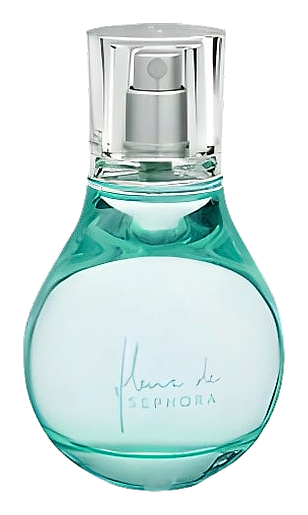
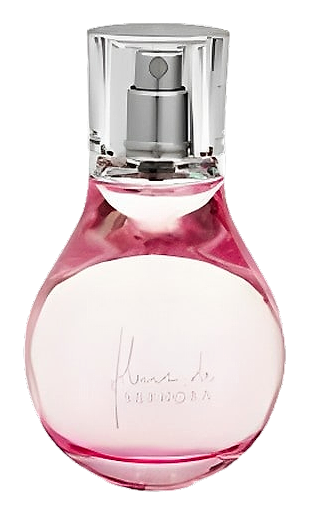
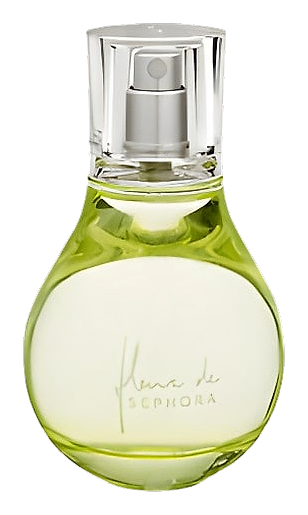
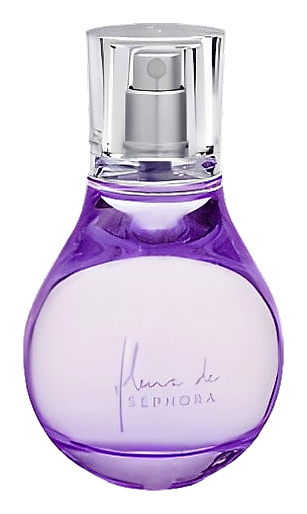
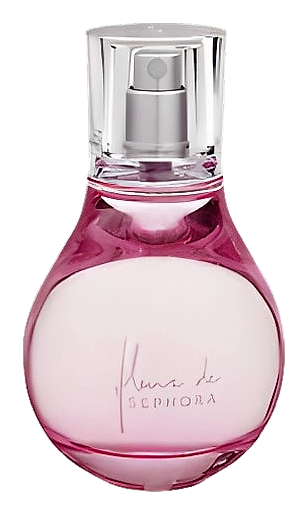
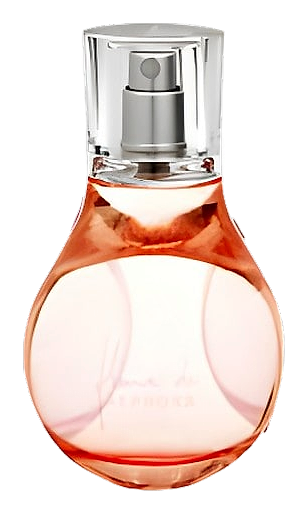
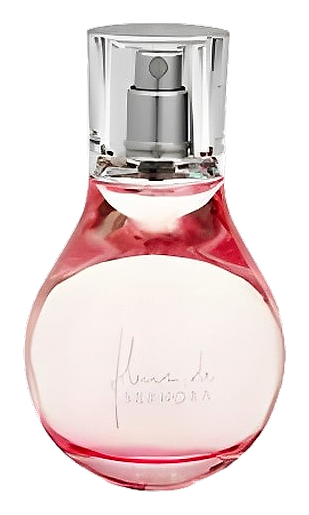
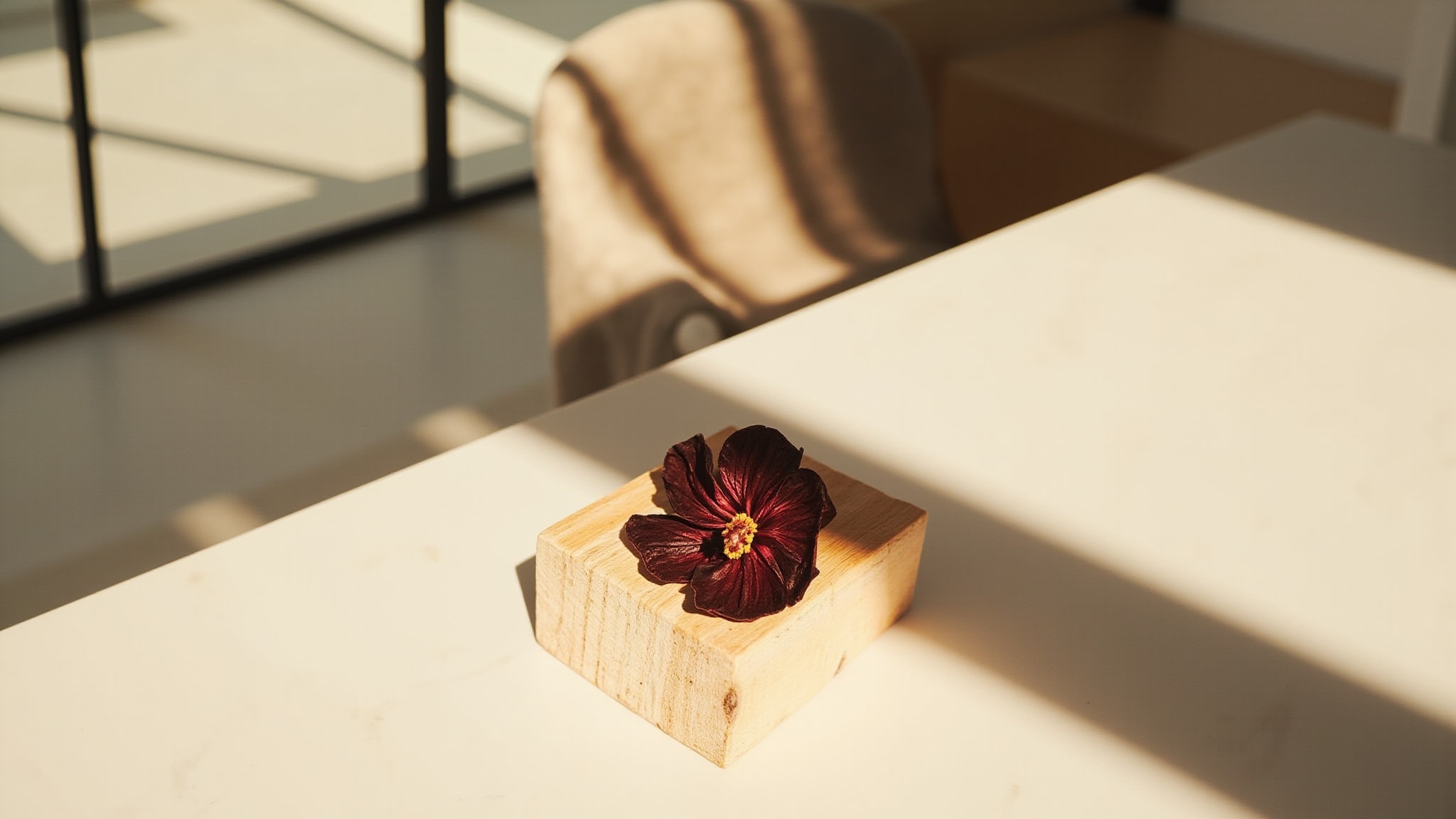
Sephora launched the Fleur de Sephora collection in 2004, a set of seven fragrances, each built around a single flower. Hibiscus stands out as the only composition that treats its bloom as something with structural weight rather than decorative softness, a floral that holds its own architecture without leaning on the usual supporting notes. The 50 ml EDT that emerged takes hibiscus seriously, building the entire composition around the flower alongside Virginia cedar, creating a scent where the tropical bloom carries genuine presence on skin. It's a study in how one flower, paired with the right counterweight, can carry a fragrance from first spray to final fade.
What makes the composition interesting is its restraint. Two ingredients, hibiscus and Virginia cedar, and an accord that reads woody, floral, fresh spicy, musky, and powdery all at once. The simplicity of the formula is deceptive: the scent manages to occupy several olfactory territories without ever feeling crowded, shifting between impressions as the notes interact throughout the wear. That interplay between a lush tropical flower and cold, resinous wood is what keeps the fragrance from collapsing into sweetness.
The evolution
The opening belongs to hibiscus, which arrives with immediate presence on skin, a flower that announces itself without apology. The cedar soon enters, and the composition shifts as both notes find their balance together. The flower doesn't disappear, it just changes register, deepening from its initial brightness to something warmer, picking up a woody undertone that makes it feel more grounded. Through the middle hours, the two notes braid together: hibiscus lending its warmth, cedar lending its structure. The drydown settles into a soft cedar presence that lingers close to skin, with the wood gradually taking prominence in the final stretch of wear.
Cultural impact
Fleur de Sephora Hibiscus earned a following among fragrance enthusiasts who gravitate toward stripped-down compositions, people who already own multiple floral bottles and want something that resists the usual pyramid-building conventions. Its two-note formula, just hibiscus and Virginia cedar, reads as deliberately minimal in a market saturated with multi-ingredient compositions. The accord spans several scent families at once: woody, floral, fresh spicy, musky, and powdery, an unusual breadth from so few ingredients. Wearers tend to be the kind of person who already has three bottles of jasmine and wants something off the main path.