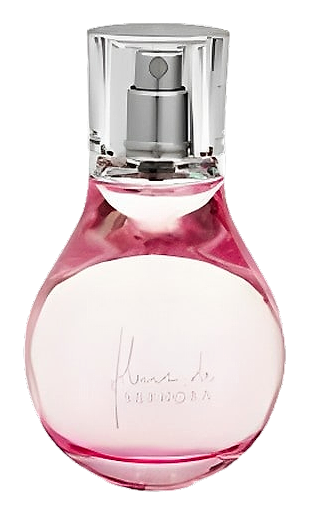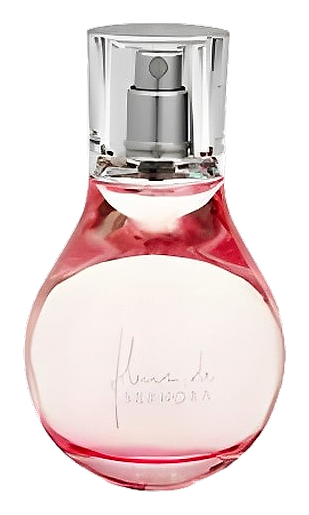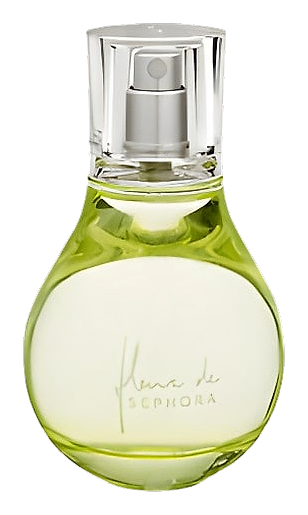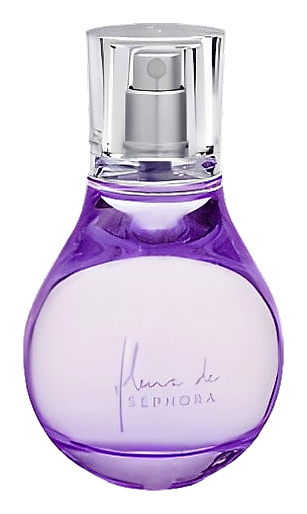
The Story
Why it exists.
The beginning
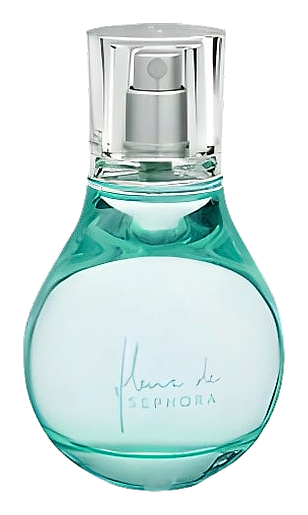
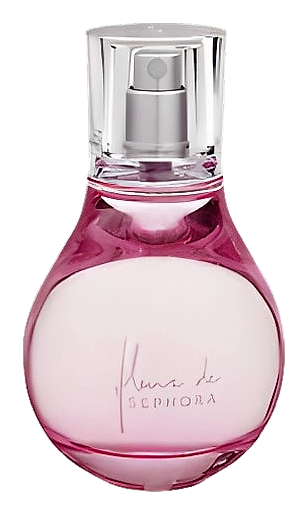
When Sephora launched its private-label fragrance line in 2004, the brief was deceptively simple: dedicate one scent to one flower, and let it speak. Seven flowers got seven compositions. Magnolia went to Calice Becker, a perfumer whose work on a single floral becomes the architecture of an entire composition. The brief called for magnolia as a sweet magnolia blossom, the kind of flower that smells like spring air warmed by afternoon sun. Becker reached for patchouli, and the result is a chypre-floral that reads as one thing, smells like two, and gets where it's going without detours. Two notes, no filler, no apologies.
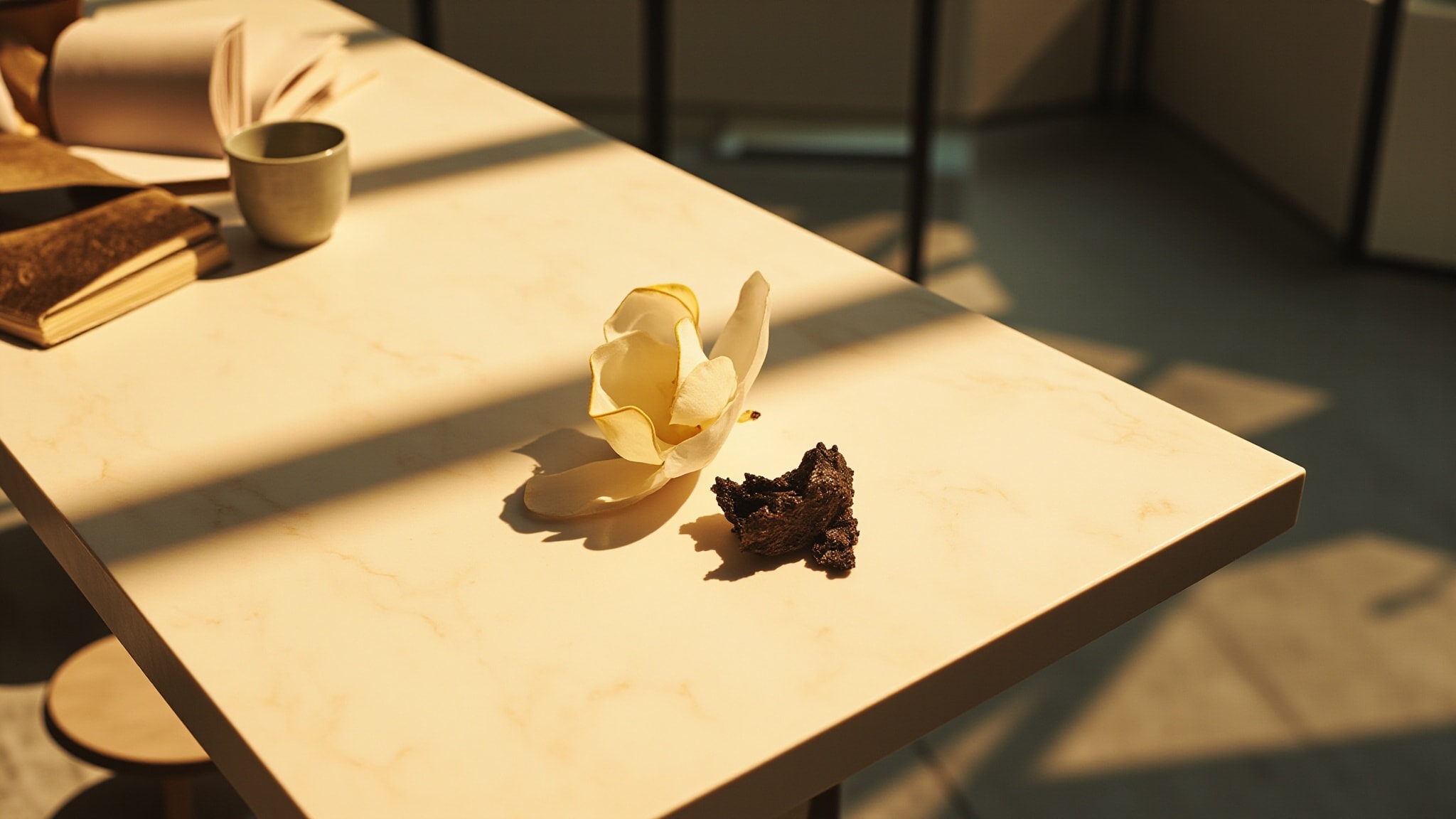
What makes this composition interesting is the way the two notes relate to each other. Magnolia brings a lemony sweetness that feels almost sunlit, a floral brightness with a clarity that feels cut from the actual petal. Patchouli brings earth and shadow, a bitter-green counterweight that prevents the sweetness from drifting off into nothing. The interplay between these two materials creates a tension that feels natural rather than engineered. The floral lifts, the patchouli grounds, and both notes stay legible throughout the wear.
The evolution
It starts on the skin like a held breath, magnolia coming in bright and almost citrus-edged, that lemony-fruity quality the flower carries when it's fresh-cut. The first 30 minutes feel buoyant, like the scent hasn't decided where it wants to land yet. Then patchouli starts working its way up from underneath. The transition is gradual but unmistakable, the sweetness cooling into something warmer, the cream thickening into something with weight. By the two-hour mark the composition has settled into its real voice: magnolia still present but now grounded, patchouli no longer hiding, the two notes having found a way to share the same space without either one giving ground. The drydown is where this fragrance earns its reputation for above-average longevity. Where you might expect the florals to fade and the patchouli to take over, something else happens. The magnolia holds.
Cultural impact
Fleur de Sephora Magnolia arrived in 2004 as part of a collection built on a straightforward premise: one flower, one scent, no pretense. Magnolia, with its two-note architecture of magnolia and patchouli, was the most distilled expression of that philosophy, a floral paired with a single grounding element and nothing else. The composition has earned attention for its longevity and sillage, both rated above average by those who've spent time with it, unusual for something this pared down. What's striking is how much character the fragrance delivers from so few materials.
The House
SephoraSephora operates a global network of beauty stores that combine cosmetics, skin care and a curated fragrance portfolio under one roof. The retailer introduced a private‑label scent line in the early 2000s, offering fragrances such as Fleur de Sephora Orchid (2004) and Blue Lilac (2012). By presenting both established houses and its own creations, Sephora positions itself as a discovery platform for scent enthusiasts who value choice and accessibility.
The Creator
Calice BeckerBecker's olfactive signature is marked by exceptional versatility combined with a distinctive feminine sensibility. She moves effortlessly between the sun-drenched radiance of Dior J'Adore and the contemplative tea notes of By Kilian Imperial Tea.