The Story
Why it exists.
The beginning
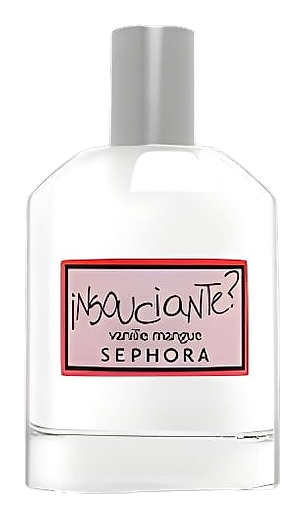
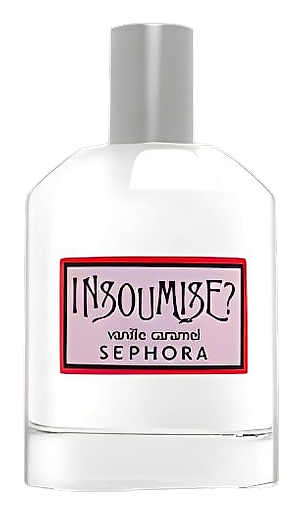
Sephora launched a whole collection around vanilla in 2007, seven variations, each representing a different facet of femininity. Insoumise? was the rebellious one. Caramel and vanilla together, the edible and the defiant, merged into something that smelled like it belonged to a much larger story. This was before vanilla became the dominant note of the 2010s. Sephora saw it first.
What makes this pairing interesting is the tension between them. Caramel is immediate, all sugar and heat, the smell of something being made. Vanilla is slower. It needs skin, warmth, time to develop its full depth. Together they create an accord that's both edible and persistent, sweet without collapsing into one note. The powdery balsamic quality in the base keeps the sweetness from feeling juvenile. It's dessert, yes, but dessert at a proper dinner.
The evolution
The opening announces caramel first, bright, sugary, the immediate hit of sweetness that makes you lean in. Then vanilla arrives, taking over the composition with a slower, creamier presence. Not synthetic vanilla, not the extract in the kitchen drawer, the actual pod, warm and resinous. As it settles into the drydown, a powdery softness emerges that extends the wear. The sillage drops to intimate, close to the skin, but it lingers. Hours later, there's still warmth on the wrist.
Cultural impact
Insoumise? Vanille Caramel was part of a 2007 Sephora collection built around vanilla as a versatile note, seven variations exploring different facets of femininity. It didn't become a cult classic, but for those who remember it, it holds a particular place. Not the most complex fragrance ever made, but an honest one. Sweet, warm, and exactly what it promises to be.